What if your first step back to exercise isn’t a full workout, but a plan that fits the recovery and routine you have right now? With a new baby, energy and free time can change by the hour, and it’s natural to wonder when to begin or which movements feel right. A realistic post-pregnancy workout plan Largo parents can build starts with guidance from their healthcare provider, then grows gradually around everyday life.
You don’t need to rush or follow someone else’s timeline. This guide will help you think through readiness, choose manageable ways to ease into movement, and adjust your routine when sleep, recovery, or baby care shifts the day. You’ll also learn how one-on-one or small-group coaching at TrYumph Fitness can add structure and accountability while respecting your goals and provider’s advice. From short walks to a flexible weekly rhythm, progress can begin with small steps that work for you.
Key Takeaways
- Shape your post-pregnancy workout plan Largo around your current readiness, personal goals, and healthcare provider’s guidance.
- Use a simple progression: follow your provider’s advice, start with comfortable movement, notice how you feel, and adjust cautiously.
- Compare solo, app-based, and coached workouts by the flexibility, feedback, and accountability that fit your life.
- Build a flexible week by selecting activities your provider has cleared, choosing realistic time windows, and leaving room for changes.
- Personal or small-group coaching at TrYumph Fitness can add structure to your fitness routine while keeping your individual circumstances in view.
Starting a Post-Pregnancy Workout Plan in Largo: Readiness Before Routine
Returning to exercise can feel confusing when recovery, work, and newborn care all compete for attention. You may be eager to move again but unsure what feels comfortable, or simply short on time to plan. A post-pregnancy workout plan Largo parents can build isn’t a rigid calendar. It’s adaptable movement shaped by your readiness, goals, and healthcare provider’s guidance.
Clearance is a starting point, not a demand to resume your old routine. Think of it as a green light to discuss what may fit now, not a signal to jump straight back to where you left off.
What to consider before returning to exercise
Before choosing workouts, talk with your healthcare provider about your birth experience, recovery, and any concerns you’ve noticed. If it helps explain your goals, share what movement you did before and during pregnancy. Your provider can advise when to resume activity and identify any limits that apply to your circumstances.
Recovery doesn’t follow one universal timetable. Your health, birth experience, and how you’re feeling can all shape the guidance you receive. The postpartum period involves physical and emotional changes, so treat readiness as an individual conversation, not a date on someone else’s fitness calendar. If advice feels unclear, ask what kinds of movement are appropriate for you now and what signs should prompt you to pause and follow up.
Make the plan fit life in Largo
Once you understand your provider’s guidance, plan around your actual week. A routine that ignores childcare, work hours, energy, and sleep can become another source of pressure. Note the windows you can realistically protect, even if they shift from day to day. A short walk during a break may fit one day; a quiet stretch at home may suit another, if those activities align with your guidance.
- Write down your most predictable open windows, not your ideal schedule.
- Consider what could interrupt each window, such as feeding, appointments, or a changing workday.
- Choose a backup option that takes less planning if your first choice falls through.
- Leave room to scale back or skip movement when your recovery or provider’s advice calls for it.
For parents in Largo, Seminole, Clearwater, Pinellas Park, Indian Rocks Beach, and Madeira Beach, convenience matters as much as motivation. If nearby coaching is part of your plan, explore options such as personal training in Seminole and consider what kind of structure would make movement easier to fit into your week. The right starting point is one you can adapt without treating a missed session as a setback. Build around your life today, then revisit the plan as your routine and provider guidance evolve.
How to Rebuild Movement Gradually After Pregnancy
A steady return to movement is a sequence, not a race. Follow your healthcare provider’s guidance, begin with activity and intensity they’ve cleared, notice how your body responds, then adjust cautiously. Gradual progression means building from your current capacity, not jumping straight back into pre-pregnancy workouts.
Think of it like rebuilding a house: strengthen the foundation before adding another floor. A workout that used to feel familiar may ask more of you now, so let today’s comfort and provider guidance set the starting point. The goal isn’t to make up for time away. It’s to find a manageable next step.
Start with movement that matches current readiness
Choose a cleared activity that feels comfortable, and keep the first sessions manageable. That might mean an easy walk or another low-impact option your provider has approved. Strength work may also become part of your plan when it fits your guidance and current ability. Begin with less than you think you need, then give yourself time to notice how you feel afterward and the next day.
As you move, pay gentle attention to your core and pelvic floor. Your core is the group of muscles around your middle that helps support your body; the pelvic floor is a set of muscles at the base of your pelvis. Awareness means noticing how these areas feel during movement, not trying to diagnose or treat a problem yourself. If you have questions or concerns, bring them to a qualified healthcare professional.
Adjust the plan when recovery feels different
Your capacity can vary from one day to the next. A lower-energy day may call for rest or an easier activity that your provider has cleared. That’s not falling behind. It’s responding to the information you have today. If movement brings new discomfort or symptoms that concern you, pause and seek professional advice rather than pushing through or changing your plan based on guesswork.
To make adjustments simple, use a quick check before and after each session:
- Before: Does today’s energy and comfort match the activity I planned?
- During: Does the movement stay within the limits my provider gave me?
- After: Did I notice discomfort or a change that I should discuss with a healthcare professional?
Keep a brief note of the activity and how you felt. Patterns can help you describe your experience clearly when discussing your plan with your provider. If you’d like added structure, a coach can help organize workouts around your goals and provider guidance without replacing medical advice. TrYumph Fitness offers a free trial to experience personal or small-group coaching and see how it fits your routine.
At-Home Plan or Local Coaching? Choose Support That Fits
You don’t have to hire a coach to begin, and a coach can’t replace your healthcare provider’s advice. Choose support that fits your provider’s instructions, your schedule, and how much feedback you want. A self-guided routine may offer more independence; an app can make workouts easy to access; coaching can add structure and accountability. None should ask you to ignore your individual healthcare guidance.
| Option | Flexibility | Feedback and accountability | May suit you if… |
|---|---|---|---|
| Independent plan | High. You choose when to move. | You track your own sessions and progress. | You have clear provider guidance and feel confident adjusting your routine. |
| App-based routine | Often convenient to follow around a changing day. | Instructions are available, but personal feedback may be limited. | You like having workouts organized in one place. |
| Personal coaching | Planned with your goals and availability in mind. | One-on-one guidance adds a person to help with structure and accountability. | You want help organizing training around your routine and provider guidance. |
| Small-group coaching | Follows a shared session structure. | Offers coaching in a group setting and shared encouragement. | You enjoy the energy of training alongside others. |
When a self-guided routine may suit your needs
If your provider has given you clear activity guidance and you’re comfortable planning independently, a self-guided routine may be a practical fit. Look for a plan that lets you rest, adapt, or skip a session instead of treating every workout as a must-finish task. Keep brief notes on what you did, your energy, and any questions you want to raise with your clinician. Simple records can help you notice what’s working without turning exercise into another full-time job.
When coaching may make planning easier
Coaching may help if deciding what to do, when to do it, and how to keep a routine going feels like too much to manage alone. Personal training at TrYumph Fitness can help organize workouts around your goals, availability, and provider guidance. Small-group training offers a shared setting for people who value encouragement and a regular structure. Strength training can support everyday movement, while your provider’s instructions remain the guide for what’s appropriate for you.
Use a quick decision check: How predictable is your schedule? Do you feel confident choosing and adjusting activities? Would personal feedback or shared encouragement help you stay organized? Your answers can point toward a starting option, and you can change your approach as your needs shift. TrYumph Fitness offers a free trial so you can experience the setting and consider whether coached training fits your routine.
Build a Flexible Weekly Post-Pregnancy Workout Plan
A weekly plan should give you direction, not another standard to meet. Build it from activities your healthcare provider has cleared and the time, energy, and support you can realistically count on. A useful plan has room for change: if the baby’s schedule shifts or you need more recovery time, adjust without treating the week as a failure.
Use a repeatable plan without rigid rules
Look at the week ahead and choose a few realistic opportunities for movement. These don’t need to be long blocks. If short sessions fit more easily between work, caregiving, and rest, they can be an option, provided the activity follows your provider’s guidance. Think of the plan like a flexible appointment with yourself: helpful to schedule, but reasonable to move when life changes.
For each opportunity, decide on an easier cleared alternative. If your planned activity no longer feels right or your available time shrinks, you’ll have another option ready. Rest belongs in the plan, too. It’s a deliberate choice to make space for recovery, not a missed goal you need to repay later.
Some parents prefer to choose a movement window each day; others find it easier to reserve a particular time for a scheduled session. If a group setting helps create routine, small-group fitness training at TrYumph Fitness can offer a regular structure to plan around. Choose only activities and sessions that align with your provider’s instructions and current recovery.
Track useful signals and adjust
Keep a simple note on your phone or calendar. Record what activity you did, how your energy felt, whether the movement was comfortable, and any questions that came up. This isn’t a performance scorecard. It’s a way to spot patterns and make your next decision with more context.
- At the start of the week, choose activities your provider has cleared.
- Mark realistic windows, with a backup option for busy days.
- After movement, note your energy and comfort in a few words.
- At week’s end, review what felt manageable and what you may want to change.
If you notice persistent concerns or questions as you track your routine, discuss them with a qualified healthcare professional. Don’t use a schedule or app to override individualized medical advice. A post-pregnancy workout plan Largo parents can stick with is one that bends with real life and can be revisited as circumstances change. For a practical starting point, explore a free trial at TrYumph Fitness and consider whether coached structure fits your week.
Get Support for Your Post-Pregnancy Fitness Goals in Largo
Returning to movement is easier to organize when you’re not trying to solve every detail alone. At TrYumph Fitness, personal and small-group coaching can help you turn your goals, available time, and provider guidance into a practical training approach. A coach can provide structure and accountability, while you remain in charge of sharing what feels manageable and following your healthcare provider’s instructions.
Your post-pregnancy workout plan Largo should reflect your individual circumstances, not a standard timeline or someone else’s routine. Coaching supports exercise planning; it doesn’t replace medical advice, diagnose concerns, or determine when you’re ready to resume activity. Bring any limits or instructions from your healthcare provider into the planning conversation so the workout approach can respect them.
What to bring into a coaching conversation
A little preparation can make the conversation more useful. Think about what you want from exercise right now, what movement you’re currently doing, and what your provider has advised. Your goal might be to create a routine, feel more organized, or rebuild general fitness over time. You don’t need to arrive with a perfect plan. Start with what matters most to you.
It also helps to name the practical details that shape your week. Consider work commitments, childcare needs, changing energy, and whether you prefer one-on-one attention or the shared encouragement of a small group. Be clear about what time windows are realistic and what tends to disrupt them. These details help your coach understand your priorities and shape an approach around your real routine, rather than an idealized schedule.
- Share your current goals and the activities you’re doing now.
- Bring your provider’s exercise guidance and any limits they’ve given you.
- Describe schedule considerations, including work and childcare.
- Explain what kind of coaching structure feels comfortable and useful.
Nutrition guidance can also be part of broader coaching, alongside exercise and accountability. Keep it practical and connected to your own goals; it isn’t a substitute for individualized healthcare or postpartum dietary advice from a qualified provider.
Take a low-pressure next step in Largo
You can use a first visit to experience the coaching environment, share what you’re working toward, and consider whether personal or small-group support fits your life. There’s no need to map out every workout before you begin. Bring your questions, provider guidance, and an honest picture of your schedule. Then explore a next step that feels manageable.
If you’re ready to see whether coaching could add helpful structure, start your free trial. Progress doesn’t have to begin with a major commitment or a perfect week. It can start with one realistic, supported step that respects your recovery and fits the life you’re living now.
Let Your Next Step Be Small and Sustainable
You don’t need to solve the whole journey today. Choose one next step that feels possible: make a note of what you want movement to support, revisit your healthcare provider’s instructions, or consider what kind of routine could work with your family’s week. Then let your plan grow as your circumstances change. A post-pregnancy workout plan Largo parents can sustain is less about a perfect schedule and more about having room to adapt, ask questions, and begin again after a disrupted day.
That approach can keep fitness connected to your life, not competing with it. If you’re ready to explore supportive coaching, use a trial to experience TrYumph Fitness and talk through what you’d like from your next chapter. Keep your provider’s guidance at the center, and choose a pace that respects where you are now.
Start your free trial and take one realistic step toward a routine that feels like yours. Progress can begin gently, and it still counts.
Frequently Asked Questions
When can I start working out after giving birth?
There isn’t one start date that fits everyone. After a healthy pregnancy and uncomplicated vaginal birth, light activity may be appropriate within a few days or when you feel ready, but a healthcare provider should guide a structured exercise program. Ask what “light” means for your recovery and which movements to hold off on. A post-pregnancy workout plan Largo parents follow should reflect individual advice, not a generic online calendar.
Can I do strength training after pregnancy?
Strength training may be an option after your healthcare provider says it’s appropriate. Ask whether you should modify particular movements, then begin at a manageable level rather than choosing weights based on what you lifted before pregnancy. For example, a provider-cleared bodyweight movement may be a better starting point than a familiar heavy lift. Adjust according to your guidance and comfort, and seek professional advice if you develop new concerns.
Is walking enough exercise after pregnancy?
Walking can be a useful activity if it fits your provider’s guidance and current recovery. The American College of Obstetricians and Gynecologists recommends aiming for 150 minutes of moderate-intensity aerobic activity per week postpartum, when appropriate. Picture that as five 30-minute walks spread across the week, not one long session. It’s a goal to build toward, not a starting requirement for everyone. Ask your provider whether to add other activities for your needs.
How can I fit workouts around a newborn’s schedule?
Make starting easier by preparing the small things that often slow you down. Keep comfortable shoes, a water bottle, or any gear you need together, and save your provider-cleared activity choices where you can find them quickly. If another caregiver is involved, agree on a simple handoff signal so you’re not negotiating the plan in the moment. That bit of preparation can make a brief opportunity feel less like another task to organize.
What is diastasis recti, and should it affect my workout plan?
Diastasis recti is a separation of the abdominal muscles that can happen during pregnancy and continue afterward. It may be associated with a visible bulge, back discomfort, or a feeling of core weakness, but those signs don’t confirm a diagnosis. If you notice changes or have concerns, discuss them with a qualified clinician. Their assessment can help inform which activities are appropriate for you, rather than relying on a generic core routine.
Can I exercise while breastfeeding?
Breastfeeding doesn’t automatically rule out exercise, but your recovery and healthcare provider’s advice should guide your return. If you’re cleared, you might plan activity around a feeding or pumping routine if that feels more comfortable and practical. Keep the first steps manageable, and discuss any concerns about exercise, recovery, or feeding with your healthcare provider. You don’t need to force a workout into a moment that already feels difficult.
What if I had a C-section?
After a C-section, ask your obstetrician when it’s appropriate to resume exercise and what movements or effort levels to avoid during recovery. Don’t use advice written for uncomplicated vaginal birth as your personal timeline. Share any recovery concerns and ask for clear guidance on what you can do now, what to postpone, and when to follow up. Your return to activity should be based on your own health and recovery.
Article by
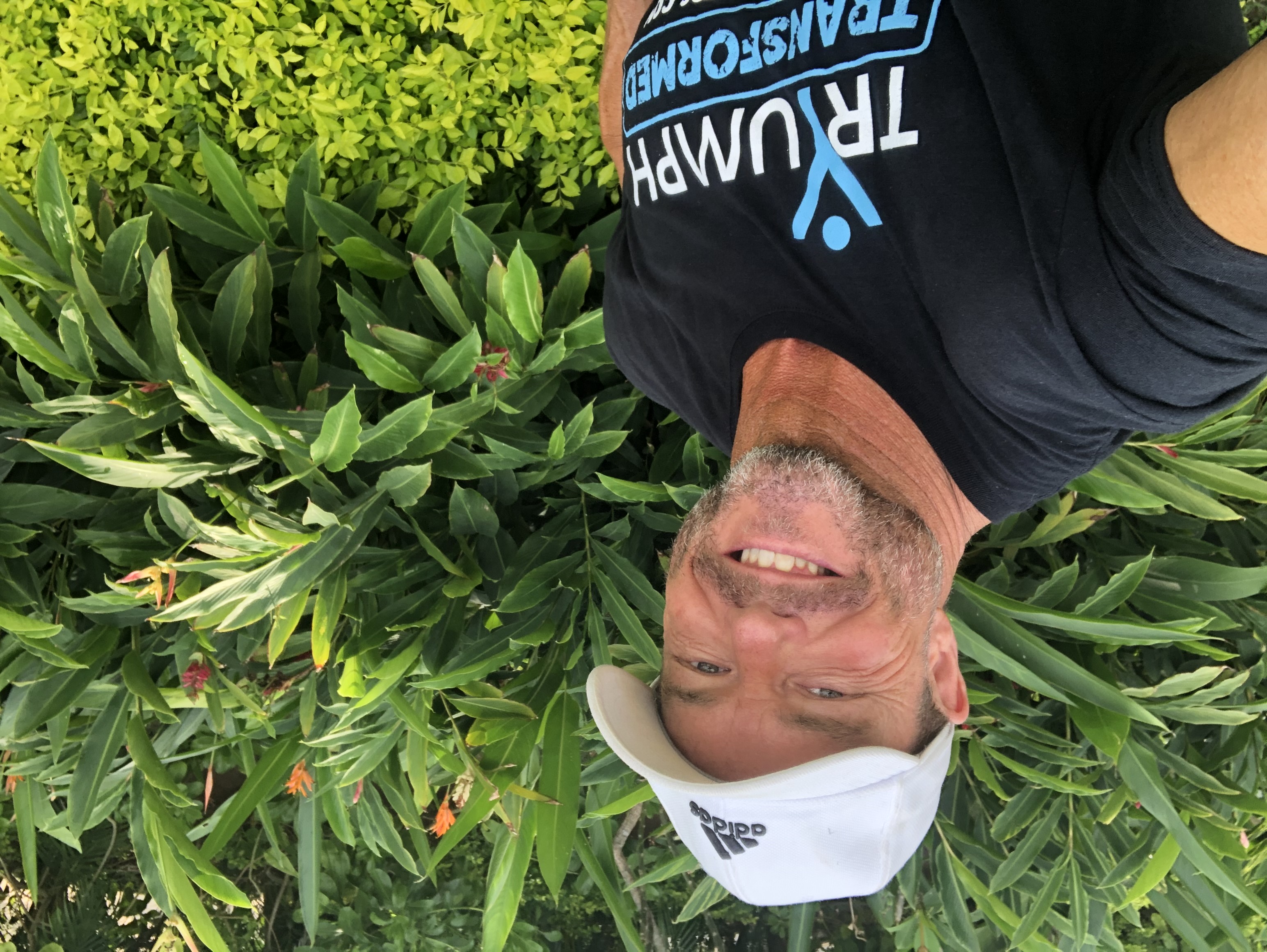
Coach Matt O'Brien
Coach Matt O'Brien is the founder of TrYumph Functional Training and TrYumph KidFit, where he has helped thousands of adults, children, and families build stronger, healthier, and happier lives through science-based health coaching, personal training, and small group training since 1998. With more than 25 years of coaching experience and over 25,000 hours working one-on-one and in small-group settings, Matt specializes in helping busy adults improve strength, energy, weight loss, nutrition, and long-term health through practical, sustainable lifestyle change.
Matt is a National Board Certified Health & Wellness Coach (NBC-HWC), Certified Strength and Conditioning Specialist (CSCS), Precision Nutrition Level 1 Coach (PN1), and Master Health Coach. His expertise spans strength training, nutrition coaching, healthy habit formation, performance optimization, and healthy aging, helping clients build resilience and enjoy a higher quality of life for years to come. He is also the author of THE MAGIC PILL and FITNESS FUEL (Cookbook) and is passionate about translating complex health and longevity science into simple, actionable strategies that busy people can apply in everyday life.
Through TrYumph KidFit, Matt is equally committed to improving kids fitness, confidence, athletic development, and lifelong healthy habits by creating fun, encouraging environments where children can thrive physically, mentally, and socially.
Matt's coaching philosophy is built on simple beliefs: movement is medicine, consistency beats perfection, and sustainable habits create extraordinary results. His mission is to help people live longer, healthier, happier lives through coaching, community, and caring.
When he's not coaching at TrYumph, Matt enjoys spending time with his wife and two sons, continuing his education in health and longevity science, and creating educational content that empowers people to take control of their health.