What if the best children’s fitness class starts with confidence, not competition? If you’re comparing children’s fitness classes Tampa Bay has to offer, it’s natural to wonder whether your child will enjoy the activity, feel comfortable joining in, and fit it into your family’s already-full week.
The right fit doesn’t have to be the most intense or popular option. Look for a class that meets your child where they are and gives them room to practise at their own pace. A general fitness class can offer a different experience from a youth sports league, with more focus on movement, coordination, and healthy habits than on a particular game.
This guide will help you compare class formats, consider your child’s age and interests, and weigh practical details like timing and location. You’ll also learn about KidFit, TrYumph Fitness’s Pinellas County initiative for children and youth, with a pilot focus on ages 5-12 and after-school and homeschool-friendly programming. A clearer picture can make the next step easier for your child and your family.
Key Takeaways
- Compare general fitness, sport-specific sessions, camps, and family activities by what your child enjoys and how they like to participate.
- Physical literacy is the building-block skill of learning how to move with confidence across different activities.
- Use this guide to narrow down children’s fitness classes Tampa Bay families can explore based on their child’s interests and your routine.
- Make a first class feel more manageable: talk through your child’s interests, choose a fitting format, plan the logistics, and chat afterward about the experience.
- Explore KidFit, TrYumph Fitness’s Pinellas County initiative for roughly ages 2-19, with a pilot focus on ages 5-12 and after-school and homeschool-friendly programming.
What children’s fitness classes in Tampa Bay offer, and who they suit
When comparing children's fitness classes Tampa Bay offers, start by asking what each class is designed to help children practise. A fitness class provides a structured opportunity to move, build physical skills, and get comfortable trying activities. A session might include coordination games, simple strength movements, or a mix of challenges. The focus isn’t necessarily on winning or mastering one sport. It’s on participating and learning in an encouraging setting.
TrYumph Fitness’s KidFit initiative serves children, youth, and families in Pinellas County. For families in Largo, Seminole, Clearwater, Pinellas Park, Indian Rocks Beach, or Madeira Beach, the activity and its location both matter: a class that matches your child’s interests and fits your regular route is easier to build into the week.
How fitness classes differ from youth sports
General fitness sessions can offer variety: balancing, changing direction, practising coordination, or trying simple strength movements. These activities give children opportunities to explore how their bodies move. Physical fitness includes more than strength alone, as this overview of the benefits of physical fitness explains.
Sport-specific coaching, by contrast, spends more time on the skills used in one game, such as dribbling, passing, or kicking. Organized youth sports add team play and competition. Neither format is automatically better. A child might enjoy broad movement practice before choosing a sport, or take a fitness class alongside a team activity. Think of general movement as a wide foundation, with sport skills as one path built on top.
Which class might suit a child who is just starting?
A child may enjoy playful, varied movement if they like trying different games, are still getting comfortable in groups, or aren’t drawn to keeping score. That doesn’t mean they’ll never enjoy sports. It gives them room to explore without making performance the first measure of success. Consider your child’s developmental stage, too. A young beginner may benefit from simple directions and opportunities to repeat a movement, while an older child may enjoy a greater challenge.
Start with what already feels familiar. If your child loves playgrounds, talk about climbing, balancing, or obstacle-style movement. If they enjoy dancing to music at home, use rhythm and moving along as an easy way to describe a class. Ask what sounds fun and what feels uncomfortable. Their answers can help you choose a format together.
- Leans toward variety: Consider general movement and fitness.
- Has a favorite sport: Sport-specific practice may feel motivating.
- Feels unsure: Look for a beginner-friendly format that emphasizes trying, not competing.
When comparing children's fitness classes Tampa Bay families can explore, consider how each option supports movement and confidence. In Pinellas County, KidFit combines age-appropriate movement, strength, coordination, physical literacy, and health education, with after-school and homeschool-friendly programming. Explore TrYumph Fitness classes and think about which activity and setting will work for your child and your family’s routine. For more perspective on building strong futures through kids’ fitness, see this kids fitness programs parent guide.
How age-appropriate children’s fitness classes build movement confidence
Movement confidence grows through practice, not a test of who is fastest or strongest. In an age-appropriate class, children can explore skills at a level that suits their development. One child may be learning to balance on one foot; another may be ready to change direction quickly or try a new movement pattern. The goal is to practise and learn, not meet a performance standard.
What physical literacy means for a child
Physical literacy is a child’s developing confidence and ability to take part in movement. In plain terms, it means learning how to move and feeling ready to join in. Balancing, jumping, changing direction, and copying a new movement are everyday examples. Like building blocks, these skills can support participation in many activities, from playground games to sports. Practice creates opportunities, but every child’s experience and pace will differ.
Age-aware instruction matters because children don’t all learn the same way or at the same time. A coach might break a movement into smaller steps, demonstrate it, then give children room to practise. Strength and coordination are skills to develop, not performance standards to chase. A child’s effort could mean trying a balance, repeating a movement, or choosing to join in after watching first.
For parents comparing children's fitness classes Tampa Bay has to offer, look for an approach that makes practice approachable. KidFit brings together age-appropriate movement, strength, coordination, physical literacy, and health education. A broad range of skills gives children different ways to participate without making one athletic result the measure of progress.
Helping a hesitant child feel ready to try
Before choosing an activity, ask two simple questions: “What do you like doing?” and “What feels new or a little uncertain?” A child may be excited by games but wary of a large group, or curious about movement but unsure about following instructions. Their answers can help you choose a manageable first step and explain what to expect without turning the class into a test.
Try a low-pressure plan:
- Connect it to something familiar: Describe a movement through a game or activity your child already enjoys.
- Keep the first goal small: The aim might be to watch, listen, or try one activity, rather than perform perfectly.
- Talk afterward with curiosity: Ask what felt fun, surprising, or uncomfortable, and use that to guide the next choice.
Supportive coaching gives a hesitant child room to explore at their own pace. If you’re comparing children's fitness classes Tampa Bay families might consider, trying a session can help you see how the experience feels for your child. Try a free session as a gentle first step. Progress looks different from child to child. The first win is making room to try.
Compare Tampa Bay children’s fitness options by activity and setting
Once you know what kind of movement your child enjoys, compare the format as well as the activity. Some options focus on broad movement skills; others build toward a particular sport or offer a one-time experience. The best match depends on whether your child prefers variety, focused practice, a change of scene, or moving alongside family.
| Format | Main emphasis | Participation style | May appeal to a child who... |
|---|---|---|---|
| General fitness | Coordination, strength, varied movement, and physical literacy | Tries different activities and movement challenges | Likes variety or wants a broad introduction to movement |
| Sport-specific sessions | Skills for one sport, such as passing, kicking, or ball control | Practises a particular game or athletic skill | Already has a favorite sport or wants to develop a specific skill |
| Camps | A themed or broader activity experience over a set period | Takes part in a focused seasonal program | Enjoys a change from the usual routine or exploring an activity in a camp setting |
| Family activities | Shared movement and participation | Joins in with a parent or other family members | Feels more at ease trying something alongside someone familiar |
General movement classes versus sport-specific sessions
Think of general movement as a sampler: children might practise balance, coordination, and age-appropriate strength through different activities. Sport-specific sessions narrow the focus, giving more attention to one game or skill. A child who enjoys switching things up may prefer the first; one eager to practise soccer footwork or basketball dribbling may be drawn to the second. The formats can complement each other, too. Neither has to be the final choice.
Use the table as a starting point, not a ranking. Before looking through local children’s class options, ask your child whether they’d rather try lots of movements or practise one activity. That answer can make a long list of children’s fitness classes Tampa Bay offers easier to narrow down.
After-school, homeschool-friendly, and seasonal formats
The setting matters as much as the activity. After-school programming can suit families looking for movement as part of the school-week routine, while homeschool-friendly options can fit families seeking daytime activities. Programs like Bushi Ban Child Care show how after-school martial arts and fitness can be built directly into an afternoon routine. KidFit includes both after-school and homeschool-friendly programming. Match the format to the part of your day when your family can make time for movement.
Camps and family workshops serve a different purpose from an ongoing class. A camp can offer a focused seasonal experience; a family activity lets a child participate alongside a familiar adult. Neither automatically replaces a recurring class. Consider the routine you can realistically maintain, then match it to your child’s preferred way to take part: regular practice, a short-term experience, or shared movement.
Compare each option by its activity, setting, and place in your weekly routine. A practical fit is one your child can look forward to and your family can work into real life.
How Tampa Bay parents can prepare a child for a first fitness class
A first class feels easier when the plan is clear and expectations are kind. You don’t need a big pep talk or a packed gear bag. A few simple choices can help your child know what to expect and help you decide whether the activity fits real family life.
Make the first step feel manageable
Start with your child’s voice. Ask them to name one activity they’d enjoy trying, then choose a format that gives them a reasonable way to take part. If they’re unsure, describe what might happen in familiar terms: listening to a coach, trying a movement, or joining a game. Keep it honest and encouraging. You can say, “You don’t have to get everything right. You can learn as you go.” Avoid promising they’ll make friends, feel confident, or love every moment. The aim is simply to give the experience a fair, low-pressure try.
Use this short sequence to get ready:
- Talk about interests. Ask what sounds fun and what feels unfamiliar. Let the answer guide your starting point.
- Choose a suitable format. A child who likes variety may prefer general movement, while one with a favorite game may want focused sports practice.
- Plan the routine. Fit the class around school, work, meals, and other commitments instead of squeezing it into an already stressful day.
- Reflect afterward. Ask what felt enjoyable and what they might want to try next. Listen before deciding whether to continue or explore a different format.
Build a routine that works for your family
In Pinellas County, travel time can determine whether a class feels manageable. Consider the whole trip, not just the activity itself. A class that interests your child but requires a rushed drive across town may be harder to sustain than a nearby option. If you’re in Largo, Seminole, Clearwater, Pinellas Park, Indian Rocks Beach, or Madeira Beach, map the route against your regular school or workday before making it part of your routine.
Think about the after-class rhythm, too. Will your child have time to eat, change, or settle in before the next commitment? Choose a pace your household can repeat without overloading the calendar. One activity that fits consistently may be easier to maintain than several that turn every afternoon into a race. For clothing, choose something comfortable for moving and follow any specific class guidance rather than assuming special equipment is needed.
After the first session, keep the conversation open and simple: “What part did you enjoy?” “Was anything confusing?” “Would you like to try it again?” Their answers can help you adjust the plan without treating one day as a final verdict. If trying a session would make the choice easier, explore a free session as a practical first step.
KidFit in Pinellas County: a movement-focused option for families
For families comparing children’s fitness classes Tampa Bay offers, KidFit brings a broad movement focus to a local Pinellas County initiative for children, youth, and families. Its intended audience is roughly ages 2-19, with a pilot focus on ages 5-12. The approach develops movement skills rather than centering every session on one sport or a single measure of performance.
What KidFit’s approach brings together
KidFit combines age-appropriate movement development, coordination, strength, physical literacy, and health education. These elements work like parts of a toolkit: movement development gives children chances to practise how they move, coordination helps them control and connect movements, and strength is approached in an age-aware way. Physical literacy supports learning to move with confidence, while health education adds understanding to activity. The program’s mission is Strong Kids. Strong Future. It expresses the initiative’s purpose while recognizing that each child’s experience and progress will be their own.
This combination may suit a child who is interested in moving more but hasn’t settled on one sport, or a family looking for a program that considers more than game-specific skills. Think about what your child is curious about, what kinds of movement they enjoy, and whether a broad approach feels like a good next step. The KidFit program overview provides more detail about this movement-focused option.
A practical next step for Pinellas County families
Fit matters in everyday life, too. KidFit includes after-school and homeschool-friendly programming, giving families options to consider as they plan their routines. Weigh your child’s interest alongside the practical details of your week: travel, school or homeschool commitments, and the time your family can realistically set aside. A good match should make sense for both the child and the household.
KidFit also includes equipment provision and scholarship access to support children’s participation. Families in Largo, Seminole, Clearwater, Pinellas Park, Indian Rocks Beach, and Madeira Beach can consider how the program’s movement and health-education focus fits their child’s interests and stage.
You don’t need to decide that this is your child’s long-term activity before taking a first step. Start with a chance to explore. Pinellas County families can start with a free trial and use the experience to consider whether KidFit feels like a practical fit.
Make the First Move Count
You don’t have to map out your child’s entire fitness journey today. Choose one activity that feels worth exploring, then treat the first class as a chance to learn what suits your child and your family. For children’s fitness classes Tampa Bay families are considering, a useful next step is to move from wondering to trying, without pressure to have everything figured out.
Notice what your child responds to. Do they enjoy the pace, the activities, and the setting? What would they want to experience again? Those observations can help you decide what to explore next, whether that means continuing with the same format or trying a different kind of movement.
Ready to take that first step? Take the first step with a free trial. Keep it simple, stay curious, and let your child’s interests help lead the way.
Frequently Asked Questions
What age can children start fitness classes in Tampa Bay?
KidFit’s intended audience is roughly ages 2-19, with a pilot focus on ages 5-12. Age suitability depends on the activity and how it’s designed, so consider whether your child can comfortably take part in its instructions and movement. Families in Largo, Seminole, Clearwater, Pinellas Park, Indian Rocks Beach, and Madeira Beach can use those factors when exploring local options.
Are children’s fitness classes suitable for kids who are not athletic?
Yes. A child doesn’t need prior sports experience to be interested in moving or ready to try a class. Experience is simply what they’ve practised before; readiness can mean being curious, willing to watch, or open to trying one activity. For a beginner, start with a format that feels approachable and treat participation, not comparison with other children, as the first step.
Can children’s fitness classes help a child who does not enjoy team sports?
Yes. Some movement-focused formats don’t center on teams, game rules, or competition. They may offer different activities that a child can try without needing to pick a side or keep score. If your child prefers individual challenges, ask what types of movement appeal to them, such as balance or coordination activities, then use those interests to guide your choice of class.
How often should a child attend a fitness class?
There isn’t one class frequency that suits every child or family. Consider your child’s interest, other activities, rest, and the time your household can realistically set aside. A class should fit alongside school and family commitments, not make every day feel rushed. Start with the program’s schedule and your family’s capacity, then notice whether the routine remains manageable for your child.
What should a child wear to a fitness class?
Choose comfortable clothing that lets your child move freely, bend, and stretch. Consider the activity and setting, and use footwear suited to moving safely in that environment. There’s no need to buy special gear based on assumptions. If the class provides clothing or equipment guidance, follow those instructions; otherwise, keep the first visit simple and focus on comfort.
Do children’s fitness classes replace outdoor play?
No. A structured class and informal outdoor play offer different experiences. A class provides a planned activity, while outdoor play lets a child choose how to move, explore, and make up games. One doesn’t have to replace the other. For example, a child might attend a class and still enjoy a casual park visit or backyard game when it fits your family’s day.
Are there homeschool-friendly children’s fitness options in Pinellas County?
Yes. KidFit includes homeschool-friendly programming in Pinellas County, giving families a movement-focused option to consider as they plan daytime routines. Parents in Largo, Seminole, Clearwater, Pinellas Park, Indian Rocks Beach, or Madeira Beach can weigh the activity against travel and other commitments. Consider what your child enjoys and how a class could fit into the week without crowding out other priorities.
Article by
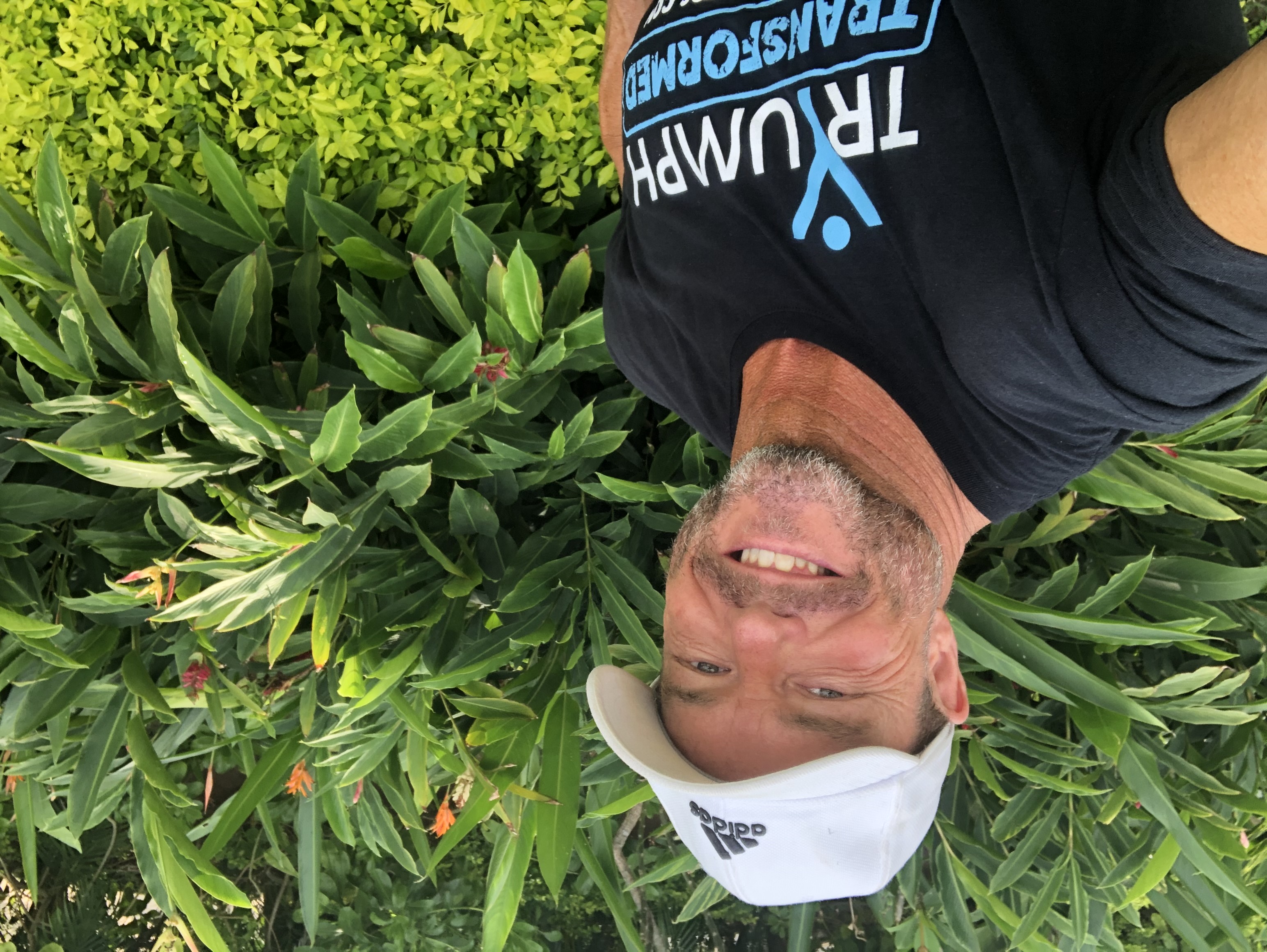
Coach Matt O'Brien
Coach Matt O'Brien is the founder of TrYumph Functional Training and TrYumph KidFit, where he has helped thousands of adults, children, and families build stronger, healthier, and happier lives through science-based health coaching, personal training, and small group training since 1998. With more than 25 years of coaching experience and over 25,000 hours working one-on-one and in small-group settings, Matt specializes in helping busy adults improve strength, energy, weight loss, nutrition, and long-term health through practical, sustainable lifestyle change.
Matt is a National Board Certified Health & Wellness Coach (NBC-HWC), Certified Strength and Conditioning Specialist (CSCS), Precision Nutrition Level 1 Coach (PN1), and Master Health Coach. His expertise spans strength training, nutrition coaching, healthy habit formation, performance optimization, and healthy aging, helping clients build resilience and enjoy a higher quality of life for years to come. He is also the author of THE MAGIC PILL and FITNESS FUEL (Cookbook) and is passionate about translating complex health and longevity science into simple, actionable strategies that busy people can apply in everyday life.
Through TrYumph KidFit, Matt is equally committed to improving kids fitness, confidence, athletic development, and lifelong healthy habits by creating fun, encouraging environments where children can thrive physically, mentally, and socially.
Matt's coaching philosophy is built on simple beliefs: movement is medicine, consistency beats perfection, and sustainable habits create extraordinary results. His mission is to help people live longer, healthier, happier lives through coaching, community, and caring.
When he's not coaching at TrYumph, Matt enjoys spending time with his wife and two sons, continuing his education in health and longevity science, and creating educational content that empowers people to take control of their health.