
Lasting change starts with habits that fit your real life, not another all-or-nothing plan. A health and wellness coach in Seminole can help you set practical goals, work through everyday barriers, and build routines you can keep practicing. The focus is steady behavior change, not a quick fix.
It’s hard to prioritize your health when work, family, and daily responsibilities already fill the day. Support can make the next step feel clearer: choose one manageable goal, decide how it fits your routine, and adjust as you learn what works. In this article, you’ll learn how health promotion and behavior modification can support lasting lifestyle changes, what to look for in a coach, and how coaching may fit into a busy schedule. You’ll also find the Seminole studio location and contact details, so you can understand the practical next step when you’re ready to explore support.
Key Takeaways
- Start with a realistic health goal and turn it into small actions that fit your work and family routine.
- Learn how coaching can support behavior change, from setting priorities to adjusting habits when everyday barriers arise.
- Compare coaching costs by looking at what the support includes and the factors that shape a personalized plan.
- Before relying on insurance or HSA/FSA funds, understand how your plan’s requirements apply to coaching services.
- Use the credential guidance and Seminole studio contact details to identify a practical next step for your goals.
Health promotion and behavior modification
Health promotion turns broad intentions into routines you can repeat. A coach can help you choose one goal, identify obstacles, and plan a small action. For example, if evening meals feel rushed, plan a simple weekday option before grocery shopping. The focus isn’t a perfect week. It’s building a workable routine, noticing what interrupts it, and adjusting your plan instead of abandoning it.
Behavior modification is like changing a route you take every day. First, notice the cue that starts a habit, such as reaching for a snack during a work break. Then choose a realistic alternative, such as taking a short walk or bringing a planned snack. Track what you try and how it fits your day. That record gives you and your coach something practical to discuss, rather than relying on memory or self-criticism.
How do I compare wellness coaches with registered dietitians or personal trainers? A wellness coach generally helps you clarify goals and practice sustainable habits. A registered dietitian focuses on nutrition guidance, while a personal trainer focuses on exercise and movement. Compare each professional’s training and scope, then choose based on the support you need most.
How can I verify a wellness coach’s credentials, reviews, and reputation? Ask for the exact credential name and issuing organization, then verify it through that organization’s own directory or records. Read recent reviews for specific examples of communication and follow-through. Look for consistent patterns rather than relying on one comment.
What should I expect at a first health and wellness coaching session? Expect to discuss your priorities, current routines, and barriers, then agree on a practical next step. You might leave with one action, such as preparing a weekday lunch plan or scheduling movement during a break.
Can a wellness coach diagnose conditions or provide medical treatment? Coaching supports goals and everyday behavior; it isn’t a substitute for diagnosis or medical treatment. Bring symptoms, medication questions, and treatment decisions to a qualified healthcare professional.
For a focused start, choose a goal you can describe in one sentence. Next, write down one obstacle and one action to try this week. A health and wellness coach in Florida can help you review what happened and refine your plan. If your needs involve a health condition or individualized nutrition care, coordinate coaching with the appropriate healthcare professional.
Florida also has formal health-coaching education. Seminole State College’s Health Coaching and Human Performance certificate uses the major code HCHP-BC, and applicants must hold a baccalaureate degree from a regionally accredited institution. This illustrates why checking a coach’s education and credentials matters: a title alone doesn’t explain someone’s preparation or the support they provide.
Seminole State College’s Individual, Group and Worksite Health Promotion Programs course (HSC 4694) is worth 3 credits. Structured study can complement practical goal-setting and habit-building, providing a formal learning route for people interested in health promotion.
Studio location and contact details
For an in-person visit in Seminole, Florida, plan around the studio address and your daily route. Save the address with your appointment details, then enter it into your preferred map app before leaving. If you’re traveling from work or picking up children, consider those commitments when planning your route. A location that fits your usual schedule can make regular visits easier to manage.
Bring the practical details together before you go. Save the studio’s phone number and address in the same contact entry, along with any visit instructions. If your map app shows multiple businesses with similar names, match the street address before setting off. These simple steps reduce last-minute searching and help you arrive focused on your session.
Are there in-person and virtual wellness coaching options in Seminole? Coaching can be offered in person or virtually, depending on the provider. In-person sessions take place at a physical location; virtual sessions happen remotely and can save travel time for busy parents and professionals.
Choose the format that suits the support you want. An in-person appointment may make it easier to discuss routines face to face, while a virtual meeting may fit a lunch break at home. Think about privacy, your work calendar, childcare, and travel time. Then choose a format realistic enough to repeat, not just convenient once.
Before an in-person appointment, use this quick planning list:
- Save the studio address and phone number in your contacts.
- Map the route from work, home, or another regular stop.
- Set a calendar reminder that includes travel time.
- Keep any appointment instructions easy to find on your phone.
For a virtual session, choose a quiet place and test your device before the scheduled time. A parked car between errands may work better than a noisy kitchen, provided you can speak privately. Keep a notebook nearby for goals and next steps. If your connection drops, having the studio’s phone number available gives you a straightforward way to reconnect.
Use the first visit to learn how the location and session format fit your routine. Notice the route, arrival process, and whether the setting helps you focus. Those details matter when you’re building a repeatable health habit. If you’re ready to explore an in-person starting point, plan a first studio visit around the time and travel route that work for you.
How much does health and wellness coaching cost in Seminole?
Coaching costs in Seminole depend on the support you choose; there isn’t one standard rate. A single focused appointment differs from ongoing sessions with regular check-ins. Format matters, too: one-on-one guidance and group coaching offer different levels of individual attention. Compare what each option includes before judging the total.
The price depends on the provider and the support offered. Session format, frequency, length, and follow-up can all affect the arrangement. For example, a plan with regular follow-ups may differ from a one-time conversation about setting goals. Ask for the full cost and what it covers so you can compare like with like.
Use these questions to understand a quote:
- Is the rate for one appointment or a series of sessions?
- How often are coaching sessions scheduled?
- Does the quoted amount include follow-up conversations or progress reviews?
- Is support individual or shared in a group setting?
- Are nutrition goals or other lifestyle priorities part of the coaching plan?
Consider the time commitment as well as the amount you pay. A lower total may cover fewer meetings, while a higher total may include more contact or a longer coaching period. Those differences matter only if they match your needs. Someone organizing meal routines may value practical nutrition guidance, while another person may prioritize accountability for consistent movement.
Before asking about costs, write down your main goal and the kind of help you want. Then decide how often you could realistically participate around work, family, and travel. This gives the coach useful context and helps clarify whether the proposed structure fits your schedule. It also makes it easier to compare options without focusing on a headline rate alone.
Review the payment terms before committing. Look for the session schedule, cancellation terms, and any stated limits on follow-up support. If the information is unclear, ask for an explanation before you agree. A simple comparison note can help: list each option’s format, included support, schedule, and total cost. That way, you’re weighing the whole arrangement, not just one number.
Choose a coaching arrangement that supports a habit you can practice between sessions. If the schedule feels difficult to maintain, discuss a more workable structure before starting. The right comparison is practical: what support you receive, how it fits your routine, and whether the full cost aligns with your priorities.
Do health and wellness coaches in Seminole accept insurance or HSA/FSA payments?
Payment depends on two separate questions: what the coach accepts and what your plan allows. A business may accept a payment method without the expense qualifying for reimbursement. Treat insurance coverage, HSA use, and FSA use as distinct possibilities. Confirm the payment arrangement and eligibility before including coaching costs in your budget.
Insurance coverage depends on your specific plan and the service being billed. Coaching focused on goals and daily habits may be classified differently from a covered healthcare service. The name “health coaching” alone doesn’t establish coverage. Your plan’s benefits information may describe eligible services and documentation requirements. Those terms guide the decision, not the service label by itself.
HSA and FSA funds also follow the rules attached to the account and the expense. A payment card working at checkout doesn’t, by itself, establish that a purchase qualifies. Keep the itemized receipt and service description. These records help you understand what you paid for and provide details if your account administrator requests them.
Before starting, use this practical sequence:
- Read your plan or account materials for coaching and wellness service terms.
- Identify whether coverage means direct payment, reimbursement, or neither.
- Ask what documentation is needed, such as an itemized receipt or service description.
- Compare the stated requirements with the coaching service and its billing details.
- Save receipts, plan responses, and payment records together.
Be specific when reviewing benefits. Instead of asking only whether “wellness” is covered, describe the service, such as behavior-change coaching or nutrition-focused guidance. Then compare the answer with the plan’s written terms. If your employer provides an FSA, its account materials may explain eligible expenses and documentation requirements. HSA account information can clarify its own process.
Keep the distinction clear: payment acceptance answers how you can pay, while eligibility answers whether an account or plan may cover the expense. One doesn’t automatically settle the other. Paying with a personal card and seeking reimbursement later, for example, can involve different steps from using an account card at the time of payment.
For a busy household, write down the expected payment method, required records, and any reimbursement steps before scheduling. That simple note can prevent a surprise expense from disrupting your monthly plan. If written terms use unfamiliar language, ask the plan or account administrator how they apply to the service. Base your budget on the answer, not assumptions about similar services.
What credentials should I look for in a health and wellness coach?
Start with the exact credential name, issuing organization, and training focus. “Health coach” describes a role, but doesn’t tell you what coursework or supervised practice someone completed. A certificate in health coaching, for example, differs from a degree in nutrition or exercise science. Match the coach’s preparation to your goal, such as changing daily habits, improving food routines, or building consistent movement.
The University of Florida Health and Wellness Coaching Certificate program is accredited by the National Board for Health & Wellness Coaching. That gives you a concrete program name and accrediting organization to look for. Accreditation describes the program, not every graduate’s experience or suitability for your needs. Ask what the person studied and how that preparation relates to the support you want.
Practical experience can matter alongside education. University of Florida Health and Wellness Coaching Certificate graduates who complete 50 health coaching sessions are eligible to apply for the HWC Certifying Examination. Eligibility to apply is not the same as holding the certification. If someone mentions this pathway, ask which step they have completed and what credential they currently hold.
Use a short checklist when reviewing a coach’s background:
- Write down the credential’s full name and the organization that issued it.
- Check whether the training focuses on behavior change, nutrition, exercise, or another area.
- Ask for examples of how the coach supports a goal like planning weekday meals.
- Clarify how the coach handles questions outside their training, such as medical symptoms.
Look for a clear match between the coach’s preparation and your priorities. If you want help building a food routine around a busy workweek, nutrition-focused training may be relevant. If your goal involves movement, ask about exercise-related education and coaching experience. A coach should explain their approach plainly, including how they turn a broad goal into steps you can practice.
Credentials are one part of choosing support. Notice whether the coach listens to your schedule, explains their scope, and works with you on realistic actions. A parent with irregular evenings, for example, may need a different routine than someone with a predictable lunch break. You should understand what the coach can help with and when another professional is better suited to your needs.
Ready to experience structured coaching in practice? Take a first step with a guided session, then consider how the coaching approach fits your goals and everyday routine.
TrYumph Fitness: Personal Training
TrYumph Fitness offers Personal Training for people ready to put health goals into action with coach support. It can be a practical next step if you want structured exercise guidance and accountability that fits everyday life. Nutrition Coaching supports food-related goals, while Small Group Training offers a shared training setting. Families can also explore KidFit.
Choose the support that matches your next goal. If you want to build a consistent movement routine, Personal Training may be a place to start. If food habits are your priority, Nutrition Coaching is more directly relevant. You don’t need a perfect schedule to begin; identify what you want help with and what could fit your routine.
To learn more or ask about getting started, visit tryumphfitness.com.
Make your next step one you can repeat
Change becomes more practical when you choose one action that fits the week ahead. Pick a starting point, such as planning a regular walk, making weekday meals easier, or asking for support with exercise. Then notice what helps you follow through and what needs adjusting. Progress isn’t about building a flawless routine. It’s about creating one you can return to when work and family life get busy.
A health and wellness coach in Seminole may help you turn a broad goal into manageable steps. If guided movement or added accountability is the support you want, TrYumph Fitness offers Personal Training and Small Group Training. KidFit provides a training option for children. Choose the path that makes sense for your household and priorities.
Ready to explore a practical starting point? Connect with TrYumph Fitness about getting started. You can take the next step at your own pace, with a clearer goal and a plan that fits real life.
Frequently Asked Questions
What health and wellness coaches are available in Seminole, Florida?
TrYumph Fitness provides coaching and training for people in Seminole, Florida, and nearby Largo, Clearwater, Pinellas Park, Indian Rocks Beach, and Madeira Beach. To find a good fit, start with the change you want to make, such as building a consistent activity routine or improving everyday food choices. Then consider whether you prefer individual guidance or support alongside others.
What services do health and wellness coaches in Seminole offer?
Coaching services can address practical goals involving movement, nutrition, and consistent lifestyle habits. The focus depends on what you want to work on. Someone with an unpredictable work schedule, for example, might need help making an achievable weekly routine, while a parent may want ideas for family meals. TrYumph Fitness can help you identify a relevant starting point during a conversation about your goals.
What questions should I ask before hiring a wellness coach in Seminole?
Ask how the coach will tailor support to your goals, what progress conversations look like, and how the approach can fit your work or family schedule. You can also ask what happens when a planned habit is difficult to maintain. TrYumph Fitness offers a free consultation and trial; after you submit the form, the team will contact you within 2 business days. Use the conversation to explain what you need.
Article by
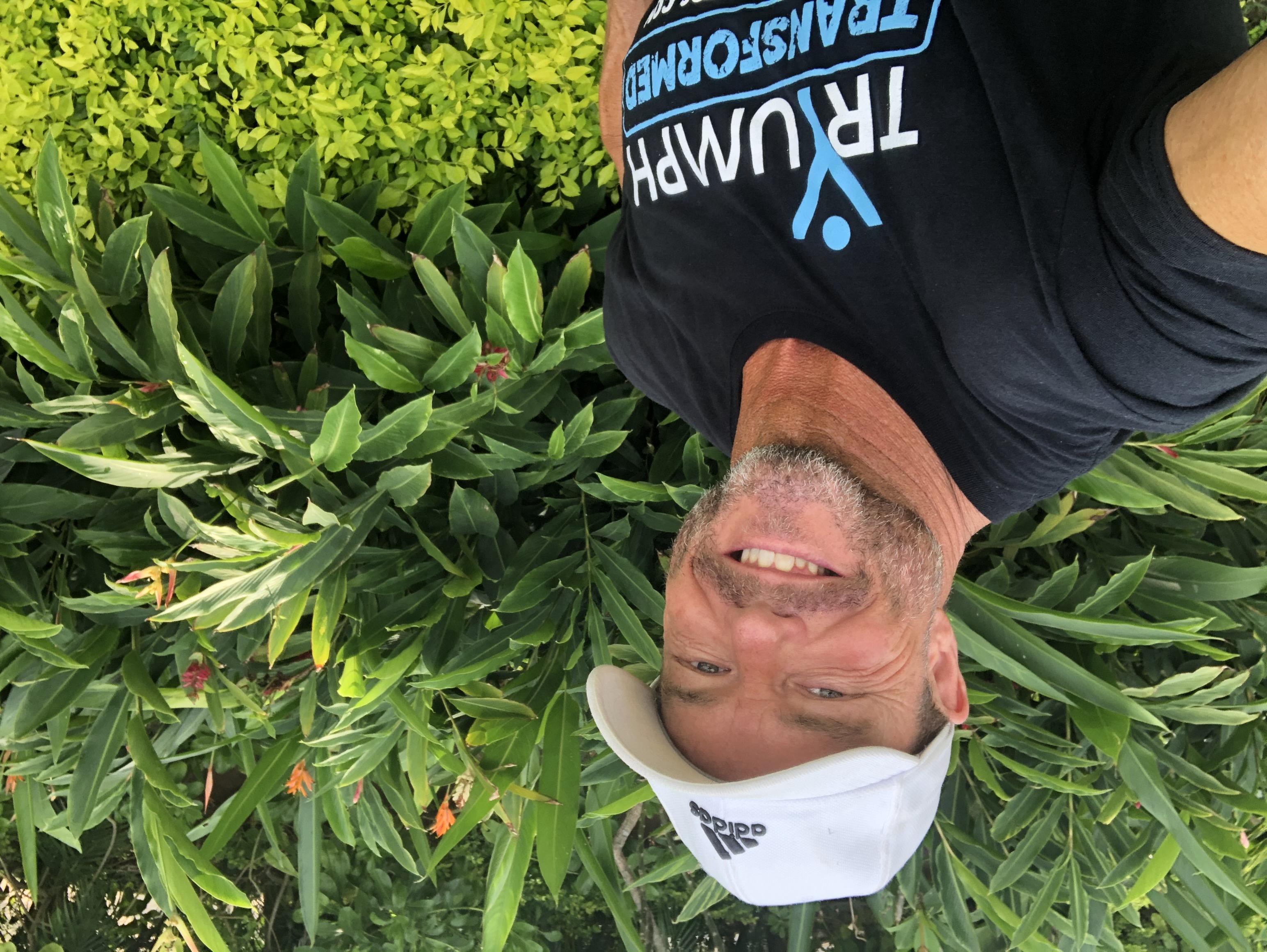
Coach Matt O'Brien
Coach Matt O'Brien is the founder of TrYumph Functional Training and TrYumph KidFit, where he has helped thousands of adults, children, and families build stronger, healthier, and happier lives through science-based health coaching, personal training, and small group training since 1998. With more than 25 years of coaching experience and over 25,000 hours working one-on-one and in small-group settings, Matt specializes in helping busy adults improve strength, energy, weight loss, nutrition, and long-term health through practical, sustainable lifestyle change.
Matt is a National Board Certified Health & Wellness Coach (NBC-HWC), Certified Strength and Conditioning Specialist (CSCS), Precision Nutrition Level 1 Coach (PN1), and Master Health Coach. His expertise spans strength training, nutrition coaching, healthy habit formation, performance optimization, and healthy aging, helping clients build resilience and enjoy a higher quality of life for years to come. He is also the author of THE MAGIC PILL and FITNESS FUEL (Cookbook) and is passionate about translating complex health and longevity science into simple, actionable strategies that busy people can apply in everyday life.
Through TrYumph KidFit, Matt is equally committed to improving kids fitness, confidence, athletic development, and lifelong healthy habits by creating fun, encouraging environments where children can thrive physically, mentally, and socially.
Matt's coaching philosophy is built on simple beliefs: movement is medicine, consistency beats perfection, and sustainable habits create extraordinary results. His mission is to help people live longer, healthier, happier lives through coaching, community, and caring.
When he's not coaching at TrYumph, Matt enjoys spending time with his wife and two sons, continuing his education in health and longevity science, and creating educational content that empowers people to take control of their health.