
What if getting stronger starts with treating a workout as practice, not a test? If you’re starting again, it can be hard to know how much effort is enough, especially when soreness could disrupt work, family, and everything else on your calendar. Injury prevention fitness Largo residents can build into real life starts with steady progress, not all-or-nothing workouts.
You’re right to want a plan that feels challenging without pushing past what your body can handle. This guide shares practical ways to reduce avoidable workout risks, adjust your effort, and recognize when it’s time to pause. You’ll also find a simple way to fit movement into a busy week instead of relying on generic advice that’s hard to follow.
Think of training like building a strong foundation: begin with what you can manage, then add more as you’re ready. With tailored workouts, accountability, and supportive coaching from TrYumph Fitness in Largo, you can build a sustainable routine at a pace that works for you.
Key Takeaways
- Injury prevention fitness Largo is about lowering avoidable risks, not guaranteeing you’ll never get hurt.
- Manageable challenges, recovery, and varied movement patterns help you build a routine your body can adapt to.
- Use a simple before, during, and after routine to fit workouts around work and family commitments.
- Don’t use soreness as proof of a safe or effective workout, and adapt demanding routines to your current ability.
- Personal or small-group coaching can help tailor workouts and support consistent training habits.
What injury prevention fitness in Largo can, and cannot, do
Starting exercise again can bring mixed feelings. You may be ready to feel stronger, yet unsure how much effort is sensible or whether discomfort could interfere with work, school runs, or family plans. Those concerns deserve a practical answer, not pressure to push through every workout.
Injury prevention means reducing avoidable risks while building a routine your body can adapt to. Start at a manageable level, increase effort gradually, and pay attention to how you feel. These choices can’t remove every risk or guarantee you’ll never get injured. Injury prevention fitness Largo is about thoughtful decisions that support steady participation, not a promise no training plan can make.
Manageable effort helps you build strength over time; it doesn’t guarantee injury-free exercise. Think of a workout as a challenge you can adjust, not a test you have to pass. A sensible plan makes room for your current fitness, past experience, and the demands of your day.
Why starting too hard can derail a fitness routine
A sudden jump in workout length, intensity, or frequency can ask more of you than your current capacity is ready to handle. After a break, it can be tempting to repeat your old routine. Your schedule or motivation might be ready before your body is, making it harder to keep showing up.
Training is a dimmer switch, not an on-off button. Begin with a level you can repeat, then increase the challenge when it feels manageable. A brisk walk or a few controlled strength movements can be a more useful starting point than an exhausting session that leaves little room for recovery.
For busy adults, a realistic routine fits the week you actually have. Choose sessions you can make time for around work and family. Consistency grows from repeatable choices, not from making every workout the hardest one yet.
When ordinary soreness is different from a reason to pause
You may notice general muscle soreness after trying a new activity or returning to exercise. Soreness alone doesn’t tell you exactly what’s happening or prove that a workout was effective. Notice what the sensation feels like, whether it changes how you move, and whether it improves or worsens as you go about your day.
Stop the activity if pain is sharp, worsening, or changing the way you move. Don’t try to solve it by forcing another repetition or pushing through a set. Persistent, severe, or concerning symptoms call for appropriate medical guidance. Pausing is a useful decision, not a failure of commitment.
When you’re uncertain, scale back rather than guessing. Choose an easier version of the movement, take a break, or leave that activity out for now. A sustainable plan can adapt with you, making strength-building part of real life rather than another source of stress.
How training load, recovery, and movement affect fitness injury risk
Your body responds to exercise over time. A workout provides a challenge; recovery gives you room to respond to it. Think of strength-building like tending a garden: effort is the water, but growth also needs time between watering. If training demands keep rising while rest stays limited, the routine may become harder to sustain. When the challenge is manageable and recovery fits your life, you can build capacity without treating every session as a test.
Effort and pain aren’t the same thing. Muscles working during a challenging movement can be part of exercise; sharp or worsening pain, or pain that changes how you move, is a reason to stop that activity. Don’t use determination to override warning signs. A balanced approach to injury prevention fitness Largo exercisers can use is to notice how a workout feels, allow time to recover, and adjust the next session accordingly.
Progress gradually instead of chasing a fast comeback
After time away, return to what feels manageable now rather than using a past routine as your benchmark. Change one training demand at a time, such as how long you exercise, the resistance you use, or how often you train. That makes it easier to notice how your body responds. If you increase all three together, it can be difficult to tell what made a workout feel unexpectedly demanding.
For example, keep your usual movement and frequency steady while making a small change to resistance. See how that feels before adding another challenge. There’s no universal schedule that fits every starting point. A work deadline, a poor night’s sleep, or a busy family week may also affect your energy. Adjusting the plan is part of training, not a setback.
Build balanced movement into strength training
Repeating the same action can concentrate demand on similar areas of the body. Varying movement patterns gives your routine a broader mix of challenges. Think in categories rather than complicated exercise names:
- Pushing: moving an object away from you.
- Pulling: drawing an object toward you.
- Bending: sitting back or hinging at the hips.
- Single-sided movement: working one side at a time.
- Core movement: using your middle to stay steady as you move.
You don’t need to fit every category into every workout. Across your routine, notice whether one pattern dominates and consider a different movement next time. Small-group training is one way to experience varied, coached movement. If you’re unsure how to tailor effort and exercise selection to your starting point, try a training session with supportive guidance.
Gradual progression pairs a useful training challenge with enough recovery for your body to respond. Keep that balance flexible. It can shift with your energy, schedule, and experience while still moving you toward stronger, more consistent training.
Common injury-prevention myths and mistakes for Largo-area exercisers
Fitness advice can sound absolute: warm up and you’ll be safe; perfect your form and nothing can go wrong; feel sore and you must have had a great workout. These ideas miss an important point. Helpful habits can lower avoidable risks, but no single habit removes every risk. Injury prevention fitness Largo residents can use is built on sensible choices, not promises or shortcuts.
Soreness isn’t a scorecard. You might feel muscle soreness after unfamiliar activity, but its presence doesn’t prove that a workout was effective, and its absence doesn’t mean the session failed. Judge a workout by whether it suited your current ability and whether you can keep training consistently, not by how uncomfortable you feel afterward.
Another common mistake is copying a demanding routine designed for someone with a different training history. A video may show fast repetitions, heavy resistance, or a long sequence. That doesn’t make it the right starting point for you. Use movements you can control, adjust the challenge to your experience, and leave out anything that doesn’t feel appropriate. The goal is a routine that fits your body and life, not a performance for someone else’s camera.
Does a warm-up prevent every workout injury?
No. A warm-up is preparation, not an insurance policy. Start with easy movement related to the session ahead. If you plan to walk briskly, begin at an easier pace; before strength work, rehearse a comfortable version of the movement with little or no resistance. Then pay attention as you move into the workout. A warm-up can help you get ready, but it can’t guarantee an injury-free session.
Good form matters, too, but it isn’t a force field. Choose an exercise version that lets you move with control. If you find yourself rushing or losing control, pause, reduce the challenge, or choose a simpler movement. You don’t need to make a routine more complicated to make it worthwhile.
Should you push through pain to stay consistent?
Consistency doesn’t mean ignoring how you feel. Challenging effort can feel different from pain that worsens, feels sharp, or changes your movement. If a warning sign appears, stop that activity rather than forcing another repetition. Pause and reassess; don’t assume a particular modification will fix the cause.
If symptoms persist, feel severe, or concern you, seek appropriate medical guidance. A coach can help adjust exercise effort and movement, but isn’t a substitute for medical assessment. Protecting your ability to keep moving sometimes means stepping back today. That’s a sound training choice, not a lack of commitment.
A practical injury-prevention fitness routine for busy Largo adults
A safer routine doesn’t need special equipment or a wide-open calendar. It needs a few repeatable decisions before, during, and after movement. For injury prevention fitness Largo adults can use around work and family commitments, treat this checklist as a flexible guide, not a test you have to complete perfectly.
A packed day may call for a shorter, gentler session. A day when you feel rested may allow more. Either way, use the same simple sequence:
- Prepare: Check in with how you feel today, then begin with easy movement related to the activity ahead. Pick a version that fits your current energy and experience.
- Move with control: Start at a manageable effort. Notice whether you can keep the movement steady and comfortable. If pain worsens or changes how you move, stop or modify that activity.
- Recover and review: Afterward, give yourself room to recover. Before the next session, consider how your energy and movement feel, then decide whether to repeat the same challenge or adjust it.
Prepare, move with control, then recover before you raise the challenge. That three-part rhythm can work for a walk, a strength session, or a brief movement break between work and family responsibilities. The aim is to make a thoughtful choice at each stage, not to force a workout into a day when you need to scale back.
Before and during a workout: prepare, then check in
Start with an easy version of the movement you plan to do. Before a walk, stroll at a comfortable pace; before a strength exercise, rehearse the motion without added resistance. Then build into the main activity at a level you can control. During the session, check your breathing, balance, and movement quality. If you’re rushing, losing control, or changing your movement because of pain, pause. Reduce the effort or stop that activity rather than pushing through.
Keep the plan flexible. If you have only a short window before picking up the kids, choose a few familiar movements instead of hurrying through a longer routine. If you’re new to exercise or returning after time away, use simpler versions and focus on how each movement feels. The best choice is one you can perform attentively today.
After exercise: recover and plan the next session
Finishing a session doesn’t mean you have to schedule another demanding workout right away. Give yourself recovery time, especially after an effort that felt challenging. Before increasing the load, length, or frequency, notice whether your energy and movement feel ready for that change. If they don’t, repeat an easier session or take a lighter day. In Largo and nearby Pinellas County, a routine that adapts to real schedules is more practical than one that depends on perfect weeks.
For support tailoring movement to your starting point, explore a training session with TrYumph Fitness. Coaching can give you a place to practice a steady approach while keeping the goal focused on consistent, manageable progress.
How TrYumph Fitness supports safer, sustainable training in Largo
Starting or restarting exercise can bring plenty of questions. Which movements suit you? How hard should you work? And how can training fit around a full workday or family schedule? At TrYumph Fitness, personal and small-group coaching can turn those questions into a routine shaped around your goals and current starting point. It’s guidance for building strength with care, not a promise that injuries can never happen.
TrYumph Fitness is family- and veteran-owned. Matt O’Brien brings more than 28 years of experience and over 25,000 coaching hours to his work with clients. For injury prevention fitness Largo adults can sustain, coaching offers practical support: workouts can be tailored, effort can be adjusted, and accountability can help you keep showing up without making every session an all-out push.
What individualized coaching changes about a workout
Two people can have the same goal and need different starting points. A coach can shape exercise choices and effort around your experience, current ability, and goals. During a session, movement cues can help you focus on how an exercise is performed. If an exercise feels too demanding, a practical modification can make it more manageable. The aim is a session you can approach with control, not a routine copied from someone else.
One-on-one training offers an individual coaching format, while small-group training brings coaching into a shared setting. Both provide tailored workouts and ongoing motivation to help turn a good intention into a regular habit. If you’re weighing those formats, consider which kind of support fits your schedule and makes it easier to stay accountable. A plan that works with your real week is more useful than one that only works under perfect conditions.
Take a low-pressure next step with local support
A free trial gives you an opportunity to experience the coaching environment and see how supportive guidance feels in practice. You don’t need to arrive with a polished routine or a long fitness history. Bring your goals and questions, and begin from where you are. TrYumph Fitness supports busy adults in Largo, Seminole, Clearwater, Pinellas Park, Indian Rocks Beach, and Madeira Beach who want a more consistent approach to exercise.
Coaching can help you make thoughtful adjustments, build accountability, and keep moving toward your goals. It can’t guarantee injury-free exercise, and it isn’t a substitute for medical care when symptoms call for it. It can offer a supportive structure for training at a manageable level, then adapting as your needs and routine change.
Try a free session at TrYumph Fitness and experience a supportive starting point for your training.
Make your next workout a starting point
You don’t need to wait for a clear calendar or a burst of motivation to begin. Choose one manageable next step, then build from what feels realistic in your week. That might mean setting aside time for movement, practicing a new exercise with guidance, or returning to a routine at a gentler pace. The goal of injury prevention fitness Largo residents can sustain is progress that leaves room for real life, not a perfect plan that’s hard to keep.
Support can make it easier to turn that first step into a habit. TrYumph Fitness is a family- and veteran-owned local business, and Matt O’Brien brings over 25,000 coaching hours and more than 28 years of experience. Start with an opportunity to experience the coaching approach and take a step toward training that fits you. Begin your free trial at TrYumph Fitness. Your next step can be simple, steady, and yours.
Frequently Asked Questions
Can exercise prevent all fitness injuries?
No. Exercise can’t prevent every fitness injury. Thoughtful training choices may reduce avoidable risks, but an unexpected trip, a change in daily activity, or factors outside a workout can still lead to injury. Think of safety habits like seatbelts: useful, but not a guarantee. Keep exercise appropriate to your ability, and treat new or concerning symptoms as a reason to pause and reassess.
How should beginners start exercising without overdoing it?
Begin with a familiar activity at an easy level, such as a comfortable walk or a simple bodyweight movement. Finish feeling that you could have done a little more, rather than trying to prove yourself in one session. Afterward, note how you felt during the workout and later in the day. That simple check-in can help you choose a suitable effort next time.
Is soreness after a workout normal, and when should I stop?
Some general muscle tenderness can follow unfamiliar activity, but soreness alone can’t tell you exactly what caused it or whether the workout was right for you. Stop an exercise if pain is sharp, worsening, or changing your movement. If symptoms persist, feel severe, or concern you, seek appropriate medical guidance. Don’t use soreness as a measure of workout success.
Can poor form increase the risk of a workout injury?
Yes. Losing control of a movement or using a position you can’t maintain may place demands on your body differently than intended. If your technique starts to slip, reduce the resistance or range of motion, or stop and reset. For example, choose a lighter version of a movement rather than rushing through repetitions. A coach can offer cues, but good form can’t guarantee injury prevention.
How often should I rest between strength-training workouts?
There isn’t one rest schedule that suits everyone. The CDC recommends muscle-strengthening activity on two or more days a week, but your recovery needs depend on your routine and how you feel. Avoid automatically repeating a demanding session if you’re still unusually tired or your movement feels off. Spacing harder sessions across your week can help keep strength training manageable alongside work and family responsibilities.
Should I exercise if I already have pain?
Don’t assume it’s safe to train through pain. Skip or stop movements that trigger or worsen it, and avoid forcing a painful range of motion. Pain can have different causes, so a fitness coach shouldn’t be expected to diagnose it. If it persists, feels severe, changes how you move, or otherwise concerns you, seek guidance from a qualified medical professional before deciding how to resume.
Can a personal trainer help me exercise more safely in Largo?
A personal trainer can tailor exercise choices and effort to your starting point, offer movement cues, and help you stay accountable. This can make injury prevention fitness Largo residents can apply to real life more practical, though coaching can’t promise injury-free exercise or replace medical care. TrYumph Fitness serves adults in Largo, Seminole, Clearwater, Pinellas Park, Indian Rocks Beach, and Madeira Beach through personal and small-group training.
Article by
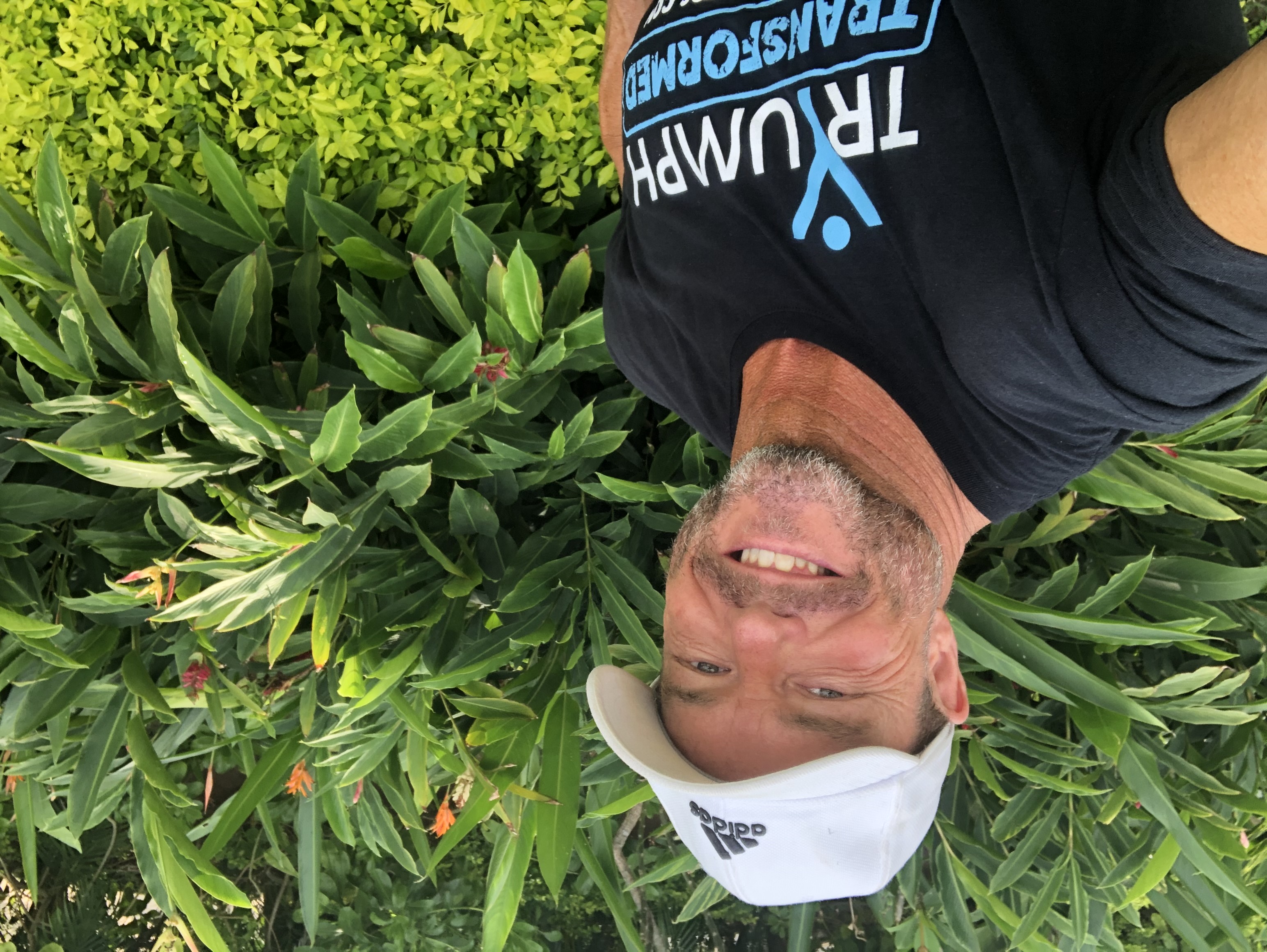
Coach Matt O'Brien
Coach Matt O'Brien is the founder of TrYumph Functional Training and TrYumph KidFit, where he has helped thousands of adults, children, and families build stronger, healthier, and happier lives through science-based health coaching, personal training, and small group training since 1998. With more than 25 years of coaching experience and over 25,000 hours working one-on-one and in small-group settings, Matt specializes in helping busy adults improve strength, energy, weight loss, nutrition, and long-term health through practical, sustainable lifestyle change.
Matt is a National Board Certified Health & Wellness Coach (NBC-HWC), Certified Strength and Conditioning Specialist (CSCS), Precision Nutrition Level 1 Coach (PN1), and Master Health Coach. His expertise spans strength training, nutrition coaching, healthy habit formation, performance optimization, and healthy aging, helping clients build resilience and enjoy a higher quality of life for years to come. He is also the author of THE MAGIC PILL and FITNESS FUEL (Cookbook) and is passionate about translating complex health and longevity science into simple, actionable strategies that busy people can apply in everyday life.
Through TrYumph KidFit, Matt is equally committed to improving kids fitness, confidence, athletic development, and lifelong healthy habits by creating fun, encouraging environments where children can thrive physically, mentally, and socially.
Matt's coaching philosophy is built on simple beliefs: movement is medicine, consistency beats perfection, and sustainable habits create extraordinary results. His mission is to help people live longer, healthier, happier lives through coaching, community, and caring.
When he's not coaching at TrYumph, Matt enjoys spending time with his wife and two sons, continuing his education in health and longevity science, and creating educational content that empowers people to take control of their health.