What if the best nutrition plan isn’t a plan at all, but a set of habits that still works on your busiest days? Conflicting advice can make it tough to know where to start, and complicated meal rules rarely survive work deadlines, family dinners, and the rest of real life. One on one nutrition counseling Largo residents can put into practice should offer clarity and support, not another reason to feel judged.
The right coach helps turn useful guidance into small, repeatable choices. You’ll learn how to compare nutrition coaching approaches, decide what kind of accountability feels supportive, and identify guidance that fits your work, family, and social routines. No extreme diet required.
At TrYumph Fitness, nutrition coaching connects practical food habits with personalized training, motivation, and accountability. This guide explains what to look for in one-on-one support around Largo, including how to match the type of professional to your goals. You’ll also see how coaching can help you build consistency one realistic choice at a time, even when the week doesn’t go to plan.
Key Takeaways
- Use a practical checklist to compare one on one nutrition counseling Largo options, including personalization, accountability, and respectful communication.
- Match the type of nutrition support to your goals, especially when a diagnosed condition calls for care from a registered dietitian or another qualified clinical professional.
- Look for guidance that can flex around shift work, caregiving, food preferences, and meals out instead of relying on rigid diet promises.
- Prepare for coaching by noting your routine, common obstacles, favorite foods, and one goal you want to work toward.
- See how TrYumph Fitness brings nutrition coaching together with personalized training and ongoing motivation.
What Largo Nutrition Counseling Can and Cannot Do
Nutrition guidance is most useful when it helps you make decisions in your actual day, rather than follow rules designed for someone else. One on one nutrition counseling Largo residents consider may focus on food habits, personal goals, preferences, and the routines that shape everyday choices. The aim is practical progress, not a perfect week or a rigid meal plan.
Think of generic diet tips as a map with only the main roads marked. Personalized coaching is more like having a navigator who knows your destination and helps you adjust when traffic, errands, or a late workday changes the route. You still make the choices. The guidance helps you find a workable next step.
Habit coaching supports everyday food choices and routines; medical nutrition therapy provides condition-specific nutrition treatment from a qualified clinical professional. That distinction matters. Fitness-oriented nutrition coaching can support general wellness goals and habit-building, but it isn’t a substitute for diagnosing or treating a medical condition.
What does a one-on-one nutrition coaching relationship involve?
Useful guidance starts with your context. A coach considers what you’re working toward, which foods you enjoy, how your week is structured, and what tends to get in the way. Follow-up and accountability can help you review what worked, adjust what didn’t, and turn a useful idea into a repeatable routine. It’s support, not judgment.
Picture a busy workweek: meetings run late, the commute cuts into dinner prep, and family responsibilities come first. A plan that depends on elaborate meals every night may fall apart by Tuesday. Practical coaching might help you identify a few easy options to keep on hand and a realistic way to handle meals when your schedule shifts. The details should fit your life, not ask you to rebuild it.
At TrYumph Fitness, nutrition guidance is part of a broader coaching approach that combines food habits with personalized training, accountability, and motivation. For adults in Largo and nearby communities, that means considering how eating and activity fit alongside work, family, and other commitments.
When should you seek a registered dietitian or medical care?
If you have a diagnosed condition and need nutrition tailored to its treatment, seek care from a registered dietitian or another qualified healthcare professional. The same applies when a clinician has recommended a specific therapeutic diet. Condition-specific nutrition needs require clinical guidance, not general fitness coaching.
For general goals such as building steadier eating habits or improving everyday routines, nutrition coaching can provide structure and encouragement. If you’re unsure which kind of support fits, follow your healthcare professional’s guidance, especially if you have a diagnosis or receive medical care. The right support should match the goal: habit-building for everyday choices, clinical care for medical nutrition needs.
What to look for in one-on-one nutrition counseling near Largo
The right coach doesn’t hand you a template and expect your life to bend around it. For one on one nutrition counseling Largo residents can use in everyday life, look for guidance that starts with your goals, food preferences, schedule, and current routines. Good support helps you make changes that feel doable, then adjust them as you learn what works.
How can you tell whether nutrition guidance is truly personalized?
Notice what the coach wants to understand before suggesting changes. Do they ask what a typical workday looks like, which meals you enjoy, and where you tend to get stuck? A personalized approach uses those details to shape practical habits. A one-size-fits-all meal template may look neat on paper, but it can be a poor fit if it ignores your budget, family meals, or limited time to cook.
Credentials matter, too. The Academy of Nutrition and Dietetics explains how to find qualified professionals in its guide to Choosing a Qualified Nutrition Professional. A useful conversation should also feel respectful: you can talk honestly about missed plans or difficult days without being shamed. Coaching can help you choose a manageable next step, but no approach can promise a particular result.
Which support style fits a busy Largo-area schedule?
Think about your real calendar, not your ideal one. Do you work shifts, manage caregiving, or regularly eat out with family or coworkers? Look for guidance that accounts for those situations instead of treating them as failures. Whether you live in Largo, Seminole, Clearwater, Pinellas Park, Indian Rocks Beach, or Madeira Beach, local support should make sense for your everyday routines, from packed lunches to quick dinners and meals away from home.
Try this simple test: choose one small action you could practice during an ordinary week. You might plan a dependable lunch for work or decide what you’ll order at a restaurant before you arrive. Then consider whether the coaching approach helps you troubleshoot when plans change. Sustainable habits are built through repeatable choices, not a flawless schedule.
A quick comparison checklist:
- Personalization: Guidance reflects your goals, preferences, routine, and obstacles.
- Practicality: Suggestions account for work shifts, caregiving, and meals out.
- Accountability: Follow-up helps you review progress and adapt your next step.
- Respect: You can discuss challenges openly without judgment or pressure.
In short, choose support that listens, fits your week, and helps you keep adjusting. If you’d like to see how training can complement everyday habit-building, explore a TrYumph Fitness training experience.
Compare nutrition counseling approaches without falling for rigid diet promises
Nutrition support can range from a plan you follow on your own to ongoing, individualized coaching. The difference isn’t simply how much information you receive. It’s how much help you get applying it when your routine changes. For one on one nutrition counseling Largo residents can use to build everyday habits, compare the level of structure, personal attention, and follow-through you want, not the size of a transformation promise.
Self-guided plans give you control and can be a starting point if you’re comfortable choosing goals and adjusting your approach. General nutrition advice offers broad ideas, but it may not account for your preferences or schedule. Individualized coaching adds a conversation about your specific routines, plus accountability to help you review and refine your next steps. None is automatically right for everyone. Choose based on the support you need to keep moving.
- Self-guided plan: You set the pace and do the troubleshooting.
- General advice: You get useful starting points, but must work out how they fit your circumstances.
- Individualized coaching: Guidance is shaped around your goals and routines, with support for adapting as life happens.
Is a meal plan or flexible habit coaching a better fit?
A meal plan can make decisions easier by spelling out what to eat. But a fixed template may be hard to follow if a workday runs late or the family changes dinner plans. Flexible habit coaching focuses on useful skills: choosing groceries that suit your household, paying attention to portions that leave you satisfied, and making a workable choice when you eat out.
Structure still helps. The key is whether it gives you direction without turning every unplanned meal into a setback. Ask yourself: could I repeat this approach during an ordinary week, including the messy parts? A steady routine you can return to is more useful than a perfect week you can’t sustain.
How does nutrition coaching complement personal training?
Food habits and customized workouts can be approached as parts of one routine. Training gives you a plan for movement; nutrition coaching can help you build everyday food habits that support your broader goals. At TrYumph Fitness, coaching brings practical nutrition guidance, personalized training, accountability, and motivation together, so the habits you’re working on can connect rather than compete for attention.
For example, if your calendar is already full, a coach can help you focus on a manageable food habit while your workout plan reflects your training goals and routine. You’re not expected to overhaul everything at once. Pick one change to practice, notice what gets in the way, and use that information to shape what comes next.
This kind of fitness-oriented coaching supports general goals and habit-building. It isn’t medical treatment or clinical nutrition care. If a diagnosed condition requires a therapeutic nutrition approach, work with an appropriate clinical professional. Otherwise, look for guidance that offers enough structure to move forward and enough flexibility to make the routine your own.
How to prepare for nutrition counseling and make the guidance stick
You don’t need a perfect food diary or a fully organized routine before a coaching conversation. A few notes about your real week are enough to make the time useful. If you’re considering one on one nutrition counseling Largo, start by thinking about what you want daily habits to help you do, then bring the details that shape those habits.
What should you bring to a first nutrition coaching conversation?
Keep it simple. Jot down what a typical weekday looks like, including work hours, family responsibilities, and when meals usually happen. Add the foods you enjoy, habits that already feel steady, and the moments that tend to throw you off. No calorie logs or special devices required.
It can also help to name what you want more consistency or energy to support. Maybe you want less guesswork at lunch, or a smoother routine on evenings when everyone gets home at a different time. Choose one meaningful goal rather than trying to solve every food challenge at once.
- Your routine: Note a typical day and when meals fit into it.
- Your preferences: List foods you enjoy and meals that work for your household.
- Your obstacles: Identify recurring snags, such as rushed mornings or unpredictable work hours.
- Your focus: Choose one goal that would make daily life feel more manageable.
These notes give the conversation a useful starting point. They’re not a test. You’re sharing what life looks like so the next step can be shaped around it.
How do you turn guidance into realistic weekly habits?
Start with one small action tied to a routine you already have. If lunch is often rushed, for example, decide on one simple option to keep available on workdays. Think of your existing routine as a hook: attach one manageable food choice to it, rather than trying to remember a brand-new plan from scratch.
Make the action clear enough to try during an ordinary week. “Eat better” is hard to put into practice. “Add a fruit I enjoy to the lunch I already pack” gives you a specific next move. Keep the first step small enough to fit a busy day, then notice what helped you follow through and what got in the way.
At the end of the week, review without blame. Did the action fit your schedule? Was it convenient? Would a different cue or option make it easier? A missed day is useful information, not proof that you’ve failed. Adjust the plan and keep going.
Ready to explore supportive coaching alongside your goals? Take the next step with TrYumph Fitness.
How TrYumph Fitness supports nutrition coaching in Largo
Good coaching connects food choices with movement and routines you can sustain. TrYumph Fitness brings practical nutrition guidance together with personalized workouts, accountability, and ongoing motivation. For adults seeking one on one nutrition counseling Largo, this integrated approach offers support for building habits alongside training, without making a rigid meal plan the center of the process.
What makes TrYumph’s approach practical for busy adults?
Your routine is the starting point. Work demands, family responsibilities, and changing schedules can all affect how you eat and when you move. Coaching can help you focus on manageable food habits while customized workouts reflect your goals and circumstances. Think of the pieces as parts of one weekly rhythm: nutrition, movement, and follow-through working together, rather than competing for time.
Progress doesn’t require an ideal week. If plans shift, ongoing motivation and accountability can help you regroup and keep practicing habits that make sense for your life. The focus is on guidance and consistency, not a promised weight-loss result.
How do the coach’s credentials fit into the experience?
Founder Matt O’Brien’s credentials include a BS, CSCS, NBC-HWC, and Precision Nutrition Level 1. In plain language, these reflect an academic degree, strength and conditioning expertise, board certification in health and wellness coaching, and nutrition-focused training. Together, they inform an approach that brings fitness, food habits, and lifestyle into the same conversation.
TrYumph Fitness is family- and veteran-owned, with roots in the Tampa Bay area and a coaching community serving Largo, Seminole, Clearwater, Pinellas Park, Indian Rocks Beach, and Madeira Beach. Practical support should recognize the demands of everyday life, not assume everyone has the same schedule, kitchen, or training goals.
Nutrition coaching here focuses on general habits and wellness goals. It doesn’t replace medical care or condition-specific nutrition treatment. If you need nutrition support for a diagnosed condition, work with an appropriate clinical professional.
Curious what supportive coaching feels like in practice? Use the free trial and coaching introduction as a low-pressure next step. Bring a goal you care about and a snapshot of your everyday routine. Start with a conversation about how practical nutrition guidance and training can fit into your week, then decide how you’d like to move forward. A small first step is still a real step.
Make Your Next Step Fit Real Life
You don’t need to have every meal figured out before you begin. Start with one question: what’s one food habit that would make your week feel easier? A clear answer gives coaching a useful place to start, whether you’re working around family meals, a packed calendar, or changing shifts. The right support should help you build from that first step, with room to adjust as life unfolds.
If you’re considering one on one nutrition counseling Largo, focus on finding guidance that feels practical and respectful, and that helps you turn goals into choices you can repeat. Progress doesn’t have to begin with a major overhaul. It can begin with a conversation about what matters to you and what feels manageable now.
Take that first step with TrYumph Fitness. Start with a free trial and explore how coaching can support your goals. You’re allowed to begin where you are and build from there.
Frequently Asked Questions
What is one-on-one nutrition counseling?
It’s personalized support for making food choices that fit your goals and daily life. Instead of handing you a generic list of foods, a coach can help you think through specific decisions, such as what to keep on hand for quick breakfasts or how to plan lunches during a busy workweek. The goal is to make your next step clear and practical, then learn from how it goes.
Is nutrition coaching the same as working with a registered dietitian?
No. Nutrition coaching generally focuses on everyday habits and wellness goals, while a registered dietitian can provide clinical nutrition care, including guidance for specific medical needs. If a doctor has recommended a therapeutic diet or you need food guidance for a diagnosed condition, seek care from a qualified clinical professional. For general habit-building, coaching can offer structure and accountability, but it shouldn’t replace medical advice or treatment.
Can one-on-one nutrition counseling help if I have a busy work and family schedule?
Yes, especially if the guidance starts with your actual calendar. For example, a parent working late shifts might focus on a simple lunch option that travels well, while a caregiver may want an easy dinner routine for unpredictable evenings. Bring a typical week to the conversation and identify one pinch point. That gives you a practical place to begin, rather than adding a complicated plan to an already full schedule.
How much does one-on-one nutrition counseling in Largo cost?
Cost depends on the coaching format and what the sessions include. TrYumph Fitness offers customized one-on-one or small-group coaching with nutrition guidance, accountability, and training. Use the free trial to experience the coaching approach and discuss which kind of support fits your goals.
What should I expect from a first nutrition coaching conversation?
Expect to talk about your goals and what your everyday routine looks like. You might describe when you eat during a workday, what makes dinner difficult, or which foods you prefer. You can also share one change you’d like to make. You don’t need to arrive with a perfect food record. A clear picture of your real routine helps make the conversation more useful.
Can nutrition coaching help with weight loss without a restrictive diet?
Nutrition coaching can support weight-loss goals through practical habits without requiring you to follow extreme food rules. For example, you might work on planning satisfying meals, making grocery choices easier, or finding a comfortable way to handle restaurant portions. What’s appropriate depends on your needs and health. Coaching can support consistency, but it can’t promise a particular amount or pace of weight loss.
Does TrYumph Fitness offer one-on-one nutrition coaching near Largo?
TrYumph Fitness provides nutrition coaching and personal training for adults in Largo and nearby communities, including Seminole, Clearwater, Pinellas Park, Indian Rocks Beach, and Madeira Beach. Its coaching connects nutrition guidance with fitness support and accountability. If you’re nearby and want to experience the approach, you can start with a free trial and explore a practical next step.
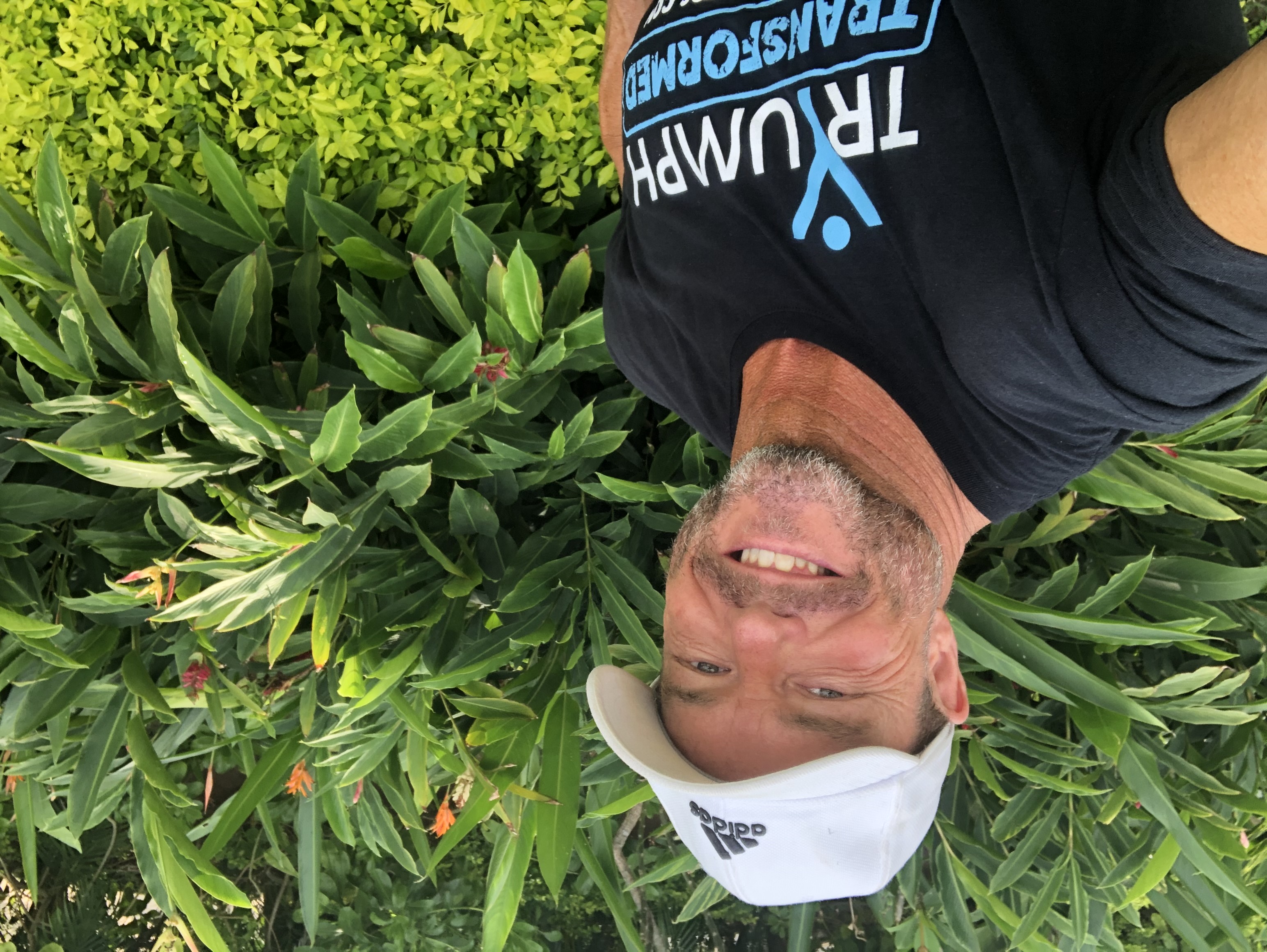
Article by
Coach Matt O'Brien
Coach Matt O'Brien is the founder of TrYumph Functional Training and TrYumph KidFit, where he has helped thousands of adults, children, and families build stronger, healthier, and happier lives through science-based health coaching, personal training, and small group training since 1998. With more than 25 years of coaching experience and over 25,000 hours working one-on-one and in small-group settings, Matt specializes in helping busy adults improve strength, energy, weight loss, nutrition, and long-term health through practical, sustainable lifestyle change.
Matt is a National Board Certified Health & Wellness Coach (NBC-HWC), Certified Strength and Conditioning Specialist (CSCS), Precision Nutrition Level 1 Coach (PN1), and Master Health Coach. His expertise spans strength training, nutrition coaching, healthy habit formation, performance optimization, and healthy aging, helping clients build resilience and enjoy a higher quality of life for years to come. He is also the author of THE MAGIC PILL and FITNESS FUEL (Cookbook) and is passionate about translating complex health and longevity science into simple, actionable strategies that busy people can apply in everyday life.
Through TrYumph KidFit, Matt is equally committed to improving kids fitness, confidence, athletic development, and lifelong healthy habits by creating fun, encouraging environments where children can thrive physically, mentally, and socially.
Matt's coaching philosophy is built on simple beliefs: movement is medicine, consistency beats perfection, and sustainable habits create extraordinary results. His mission is to help people live longer, healthier, happier lives through coaching, community, and caring.
When he's not coaching at TrYumph, Matt enjoys spending time with his wife and two sons, continuing his education in health and longevity science, and creating educational content that empowers people to take control of their health.