What if you didn’t need to feel motivated before you worked out? For busy adults in Tampa Bay, energy can run low after demanding workdays, family responsibilities, and a calendar with little room to breathe. If the gym feels intimidating or your routine keeps falling apart, you’re not alone. Fitness motivation for adults isn’t about forcing yourself to push harder every day. It starts with caring for the engine that powers your work, family life, and goals.
You deserve a plan that fits real life, not another all-or-nothing promise. This guide covers ways to build steady habits, make room for movement in a packed week, and find accountability that helps you keep going. Think of motivation as a spark: a simple routine and supportive community can help keep it lit, even when the day has taken a lot out of you.
We’ll look at practical ways to move, fuel your body, and make progress without living at the gym. Whether you’re in Largo, Seminole, Clearwater, Pinellas Park, Indian Rocks Beach, or Madeira Beach, the goal is to feel stronger and more capable in everyday life.
Key Takeaways
- Build fitness motivation for adults around a repeatable system, not a mood you have to wait for.
- Connect your workouts to a meaningful purpose, then track progress through strength and health markers beyond the scale.
- Plan workouts ahead to reduce daily decision-making and make movement easier to fit into a busy week.
- Start by reviewing your current habits, then make practical food choices with whole foods and balanced portions.
- See how TrYumph Fitness combines coaching, accountability, and support to help busy adults work toward lasting progress.
Why 'Willpower' Fails: The Real Science of Fitness Motivation for Adults
You finish a demanding workday, handle family responsibilities, and still expect yourself to feel excited about exercise. When that spark is missing, it’s easy to blame weak willpower. But willpower isn’t an endless fuel tank. Think of it more like a phone battery: stress, constant decisions, and poor rest can drain your capacity to make one more effort. Instead of shaming yourself, build a routine that asks less of your mood.
Fitness motivation for adults works best as a system: a clear reason to move, a manageable plan, and small rewards that help you repeat it. That fits the science of motivation, where actions are shaped by goals, needs, and their outcomes. Your body is the engine behind your work and family life. When it’s running on empty, the mission gets harder. Strength, sleep, nutrition, and metabolic health all support that engine.
The Biology of the 'Blahs'
A short night can leave you tired and less able to focus, making a workout feel like another demand. Long gaps between meals or a meal that doesn’t suit you may also leave you feeling low on energy. Blood sugar is one part of the picture, not a simple explanation for every slump. A1C reflects average blood sugar over roughly the past few months; it isn’t a day-to-day motivation gauge. If you’re concerned about your blood sugar or persistent fatigue, discuss it with a healthcare professional.
Dopamine is involved in how the brain learns to anticipate and respond to rewards. In plain language, your brain notices when an action feels worthwhile and can become more ready to repeat it. Exercise doesn’t need to feel amazing every time. A brisk walk that clears your head or a strength session that leaves you feeling capable can make the next workout easier to choose.
Adults over 40 may also notice changes in sleep, recovery, or hormone levels. These experiences vary from person to person, so a younger gym-goer’s routine may not fit your body or schedule. Adjust your plan to your energy and recovery rather than treating every low-energy day as a character flaw.
Motivation vs. Momentum: The 2-Minute Rule
Starting can feel like moving a heavy train. The first push takes effort; once the wheels are turning, continuing often feels easier. Use a two-minute starting goal to lower that first barrier. Put on your shoes and head to Largo Central Park. Your commitment is simply to begin. A short walk counts, and you can decide whether to continue once you’re there.
That small action is a micro-win: proof that you followed through. Repeatable wins can help exercise feel familiar and rewarding instead of like a fresh debate every day. Make it easy to start: set your shoes by the door, choose when you’ll go, and pick a simple activity before your schedule gets crowded. Don’t wait for motivation to arrive fully charged. Take a small first step and let momentum build.
The 3 Pillars of Sustainable Adult Fitness Motivation
Lasting change needs more than a burst of enthusiasm. It needs three supports: a reason that matters, progress you can recognize, and people who help you stay connected to the plan. Think of them as the legs of a sturdy stool. If one is missing, consistency gets wobbly. Together, they make fitness motivation for adults more durable through changing schedules, stressful weeks, and imperfect days.
Pillar 1: Purpose That Reaches Beyond Appearance
Wanting to look good can be a valid starting point. But a deeper purpose can carry you through weeks when visible changes are slow. Ask what you want your health to help you do: lead with energy, join your kids outside, or feel more capable as you get older. Think of a long-term health goal as a commitment to your future self and the people you care about.
Your health becomes part of your family legacy through everyday choices. A walk together or a strength session you keep returning to can show your children that caring for yourself belongs in a full life. Try this now: write one sentence that defines your 2026 mission. For example, “I’m building strength and energy so I can lead well at work and stay present with my family.” Make it personal enough to matter and clear enough to guide a busy week.
Pillar 2: Progress You Can Feel and Measure
The scale tells only one small part of the story. Track signs that connect more directly to how you function: the weight you can lift with good form, how steady you feel on a walk, or whether everyday tasks feel easier. Metabolic markers, such as A1C, can add useful health context when reviewed with a healthcare professional. They’re more like dashboard readings than a grade on your effort. A single number doesn’t define you, and changes should be interpreted in context.
Choose one or two progress markers you can check consistently. Record them alongside your workouts, then look for patterns over time rather than judging yourself by one day. Shift your focus from “Am I smaller yet?” to “Am I getting stronger and supporting my health?” The aim is longevity with quality of life: not just adding years, but building the capacity to participate in them.
Pillar 3: Partnership That Makes Consistency Easier
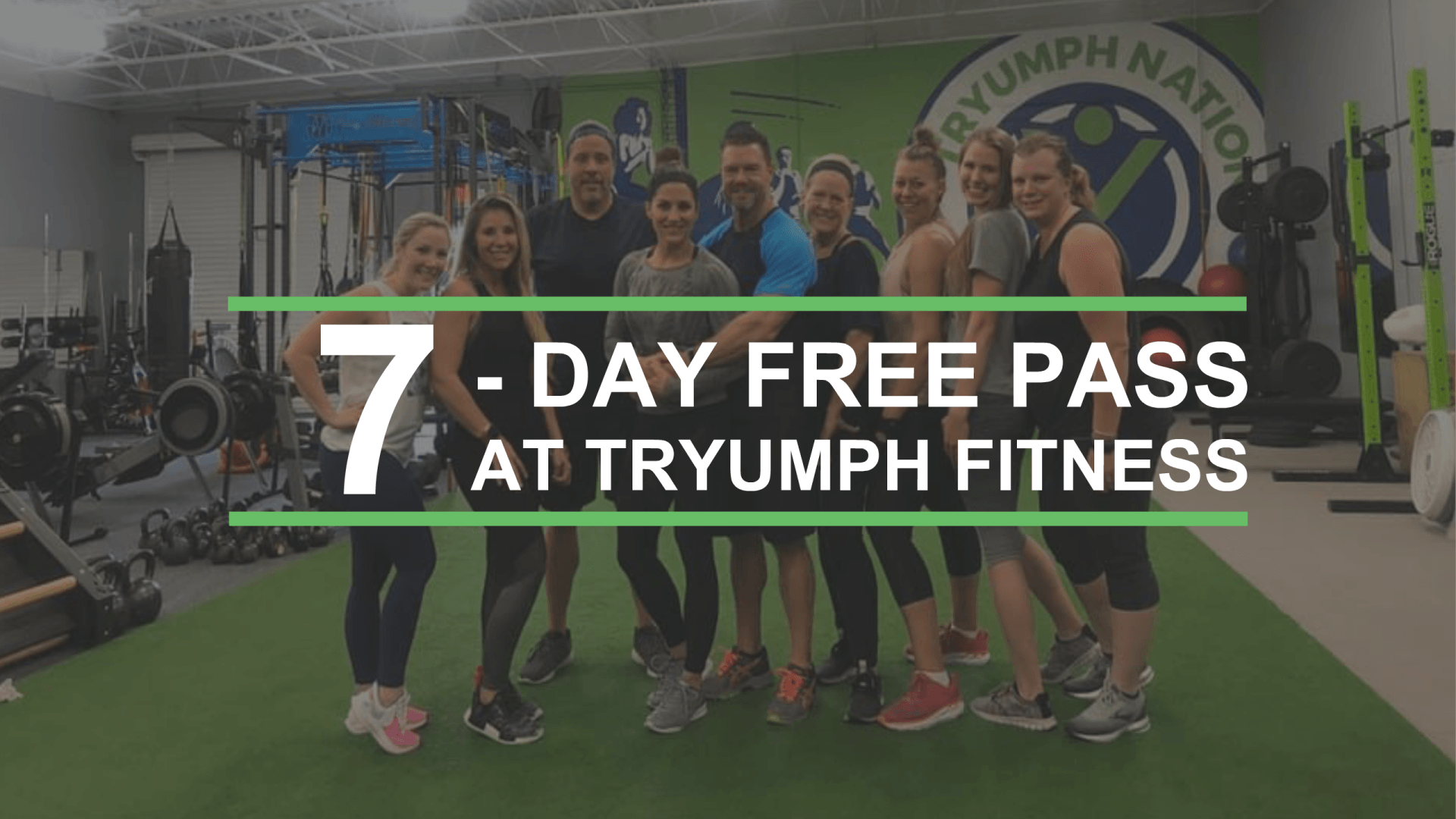
Training alone can leave every decision and restart on your shoulders. In small-group coaching, a familiar coach and peers can bring structure, encouragement, and a sense that your effort is noticed. TrYumph Fitness offers small-group training for people who want to work toward their own goals with coaching and a shared routine. A coach who knows your name can help turn “I should work out” into a plan you’re more likely to follow.
Pick one next step: write your mission, choose a progress marker, or bring a friend into your routine. If a guided setting would help you put those pillars into practice, explore a TrYumph Fitness trial.
Overcoming the 'Busy Professional' Paradox in Tampa Bay
For professionals in Clearwater, Largo, Seminole, Pinellas Park, Indian Rocks Beach, and Madeira Beach, a packed calendar can make health feel like one more responsibility competing for attention. You may know exercise helps, yet reach the end of the day with no time or energy left to decide what to do. That’s the busy-professional paradox: the people who need reliable energy often have the least room to plan for it.
Reduce the daily negotiation. Schedule your workout like an important meeting: put it on your calendar, decide the activity in advance, and prepare what you need. Then trade “all or nothing” for “all or something.” If a full session won’t fit, choose a shorter walk or brief strength session. A smaller workout still keeps your routine alive. That’s a practical way to build fitness motivation for adults around a real workweek, not an ideal one.
Tactical Time Management for Fitness
Make movement easier to fit by choosing a time and a simple fallback before the week gets crowded. A lunch break can work for a short functional strength session using movements such as sit-to-stands, wall push-ups, or carrying a bag. Keep the plan manageable and choose exercises that suit your ability. A brief session is more useful than waiting for a perfect opening that never appears.
Food choices can support a steadier day, too. Start with a “power breakfast” that includes a protein source and whole foods, such as eggs with fruit or yogurt with oats. Prepare it the night before if mornings are rushed. At a Clearwater business dinner, enjoy the meal without turning it into a test of willpower: set aside part of the portion for later, then eat slowly enough to notice when you’re satisfied.
Fueling the Engine: Nutrition as Motivation
Think of food and water as fuel for the engine that carries you through meetings, workouts, and family time. TrYumph Fitness nutrition guidance includes daily protein targets of 90–110 grams for women and 150–180 grams for men . Plan ahead to spread protein across meals and snacks rather than trying to make up the whole amount at dinner. Regular, balanced meals may help you avoid arriving at the afternoon ravenous, though energy dips can have many causes.
The suggested daily water range is 60–100 ounces . Keep a bottle within reach and sip throughout the day instead of relying on a last-minute catch-up. Needs vary with the person and circumstances, so treat this as a practical guide, not a one-size-fits-all rule. For tailored support connecting everyday food choices with weight goals, explore TrYumph Fitness coaching.
Before your next workweek begins, block one workout, choose a shorter backup, and plan tomorrow’s breakfast. Three small decisions made ahead can leave more room for the work and people that matter.
From 'Gym-timidation' to Confidence: A Step-by-Step Action Plan
A busy gym can feel like everyone else knows exactly what to do. You don’t need to arrive confident, fit, or fluent in gym etiquette. Confidence grows from having a clear first step and repeating it at a pace that suits you. Use this plan to turn uncertainty into action, one manageable decision at a time.
- Start with an Engine Audit. Take stock of your schedule, current activity, sleep, energy, and what you want to do more comfortably. An assessment or coaching conversation can help turn that picture into a realistic starting plan. If you have ongoing pain or a health concern, get guidance from an appropriate healthcare professional before changing your activity.
- Simplify your plate. Build meals around whole or minimally processed foods when practical, and use portions as a flexible guide rather than a strict rule. For the “Lend-a-Hand” method, picture a palm of protein, a fist of starch, and two hands of vegetables. No measuring cups or calorie app required. At your next meal in Indian Rocks Beach, use your hands to build a balanced plate, then adjust based on your appetite and needs.
- Practice functional movement. Begin with movements that support everyday tasks, such as sitting down and standing up, carrying groceries, or lifting a child. Use a comfortable range of motion and controlled effort. Good technique and gradual progression matter more than trying to keep up with the person next to you.
- Try a 21-day consistency challenge. Treat the next 21 days as a practice window, not a deadline for transforming your body or proof that a habit is permanently formed. Choose a repeatable activity and mark each time you complete it. If you miss a day, return to the plan at the next opportunity instead of starting over from scratch.
- Enlist a wingman. A coach or training partner can help you make a plan, answer questions, and notice progress you might overlook. Shared support can also make entering an unfamiliar training space feel less daunting.
Strength Training for Everyday Life
Muscle supports more than appearance. Think of it as useful capacity: the reserve that helps you lift, carry, climb, and move through daily tasks. Strength training is sometimes called a “magic pill” for metabolism, but it isn’t a pill or a cure-all. It’s one practical way to build and maintain strength. A well-scaled routine might include a squat pattern for getting up from a chair, a hinge for lifting safely, and a carry that resembles bringing groceries inside. Guided personal or small-group training offers a structured setting to practice movement with support.
Pick just one step to begin today. If you’d like support taking that first step, try a TrYumph Fitness session and start building confidence through coached movement.
The TrYumph Difference: Why Veteran-Owned Coaching Fuels Real Results
Good coaching doesn’t treat you like a project to fix. It helps you connect your health to what you want to do with your life, then gives you practical support to move forward. TrYumph Fitness brings together strength training, nutrition coaching, and habit support so your plan can address more than what happens during a workout. That whole-person approach can make fitness motivation for adults feel less like a solo struggle and more like a mission you have support carrying out.
Founder Matt O’Brien is a veteran with a U.S. Air Force Academy background and more than 25,000 coaching hours. His experience informs a mission-driven approach: set a meaningful goal, make a workable plan, and keep adapting it to real life. Coaching isn’t about barking orders. It’s about helping you understand the next step, build confidence through practice, and stay accountable without shame.
Mission-Driven Accountability
A “coach with a heart” brings both encouragement and clear direction. You should feel seen as a person, not measured only by a number or a single workout. At TrYumph, accountability means support that helps you return to your plan when work, family, or energy gets in the way. If experiencing coached training would help you take the first step, get started with a TrYumph Fitness free trial.
Strength sessions, everyday nutrition choices, and habits that fit your schedule can reinforce one another. Think of them as parts of one engine tune-up: training builds capacity, food supports your day, and repeatable routines help keep the effort going. You don’t need to overhaul your life all at once. A coach can help you identify one realistic adjustment, practice it, and build from there.
Strong Kids, Strong Future
Your children notice more than whether you exercise. They see you make time to care for your health, handle setbacks, and keep showing up. That example can help make movement feel like a normal part of family life, not a punishment or a pursuit reserved for athletes. For families in the Tampa Bay area, TrYumph’s KidFit program gives children a dedicated way to engage with fitness while adults work on their own goals.
That’s how personal progress can reach beyond you. More energy for a family walk, greater confidence carrying groceries, or simply feeling more present at home can shape the moments you share with others. Your health is not separate from your responsibilities; it helps power them. Your body is the engine of your mission. Give it care, guidance, and consistent attention so you can keep showing up for the people and purpose that matter most.
Make Your Next Step the Start of Something Stronger
You don’t need to wait for a quieter season, a perfect schedule, or a surge of confidence. Choose one action that supports the life you want to lead, then let that choice become the start of your next chapter. That’s how fitness motivation for adults grows: through steady progress backed by the right support, not pressure to change everything at once.
At TrYumph Fitness, coaching brings fitness, nutrition, and habits together. Matt O’Brien, an NBC-HWC and CSCS with 28+ years of experience, leads an approach designed to support your real-life goals. Your plan can start where you are and build toward the energy, strength, and confidence you want to carry into work and family life.
Ready to reclaim your engine? Claim your free trial at TrYumph Fitness and take a practical first step toward feeling stronger. You’ve got a mission worth showing up for. Start today.
Frequently Asked Questions
How do I stay motivated to work out when I'm tired after a long day?
Make the transition from work to movement easier by building a cue into your evening. For example, change into comfortable clothes as soon as you get home, or take a short walk before sitting down to dinner. If your tiredness feels unusual, continues despite rest, or comes with other symptoms, pause strenuous exercise and speak with a healthcare professional. Choose an easy activity rather than demanding peak effort from yourself.
What is the best type of exercise for adults over 40 to stay motivated?
Choose activities you enjoy and can adapt to your comfort and ability. Dancing, cycling, swimming, or a beginner-friendly movement class may feel more inviting than repeating a routine you dislike. Try an activity more than once before deciding whether it suits you, and notice whether you look forward to returning. If pain or a health condition affects your movement, seek professional guidance on appropriate options.
How much protein should I be eating to support my fitness goals?
Your needs depend on factors such as your health, eating pattern, and goals, so a single target may not suit everyone. To understand your current habits, keep a brief food record and note which meals leave you satisfied and energized. Food labels can help you estimate what you’re eating. If you have a medical condition or need a tailored target, discuss it with a healthcare professional or registered dietitian.
Is personal training better than a regular gym for staying motivated?
Neither is automatically better; the right choice depends on the support and independence you prefer. Personal training can be useful if you want guidance with exercise technique or a plan shaped around your needs. A regular gym may suit you if you already feel comfortable choosing and performing exercises on your own. Ask yourself whether you need instruction, a training partner, or simply a place to follow a plan you already know.
How long does it take to see real results from a new fitness routine?
There’s no universal timeline because results depend on your starting point, consistency, recovery, and the outcome you’re tracking. Changes in strength, stamina, or body composition may happen at different rates. Before you begin, write down what “real results” mean to you, such as completing a chosen route comfortably or improving a specific exercise. Review your progress periodically and adjust the plan if it no longer matches your goal.
How can I balance fitness with a high-pressure career in Tampa Bay?
Look for small opportunities to move within the workday, not only a large block of gym time. You might take a walking call when the conversation allows, use stairs for a short trip, or stand during part of a meeting. Keep a change of clothes or comfortable shoes at work if that removes a practical barrier. For demanding weeks in Tampa Bay, treat these options as useful additions, not failed workouts.
What should I do if I lose my motivation halfway through a program?
Check whether the program still fits your current needs before abandoning it. Ask: Is the routine repetitive? Does an exercise feel uncomfortable? Has my schedule changed? Choose one adjustment, such as swapping an activity you dislike or changing the order of sessions. If pain is involved, stop the painful movement and seek suitable guidance. A thoughtful reset can help you continue without treating a rough patch as failure.
Can I really get fit in just a few hours a week?
Yes, regular activity can add up across the week. The CDC recommends adults aim for 150–300 minutes of moderate-intensity aerobic activity or 75–150 minutes of vigorous activity weekly, plus muscle-strengthening activity on at least two days. Moderate activity is a pace where you can talk but not sing. You can divide aerobic movement into shorter sessions, making the guideline easier to fit around work and family commitments.
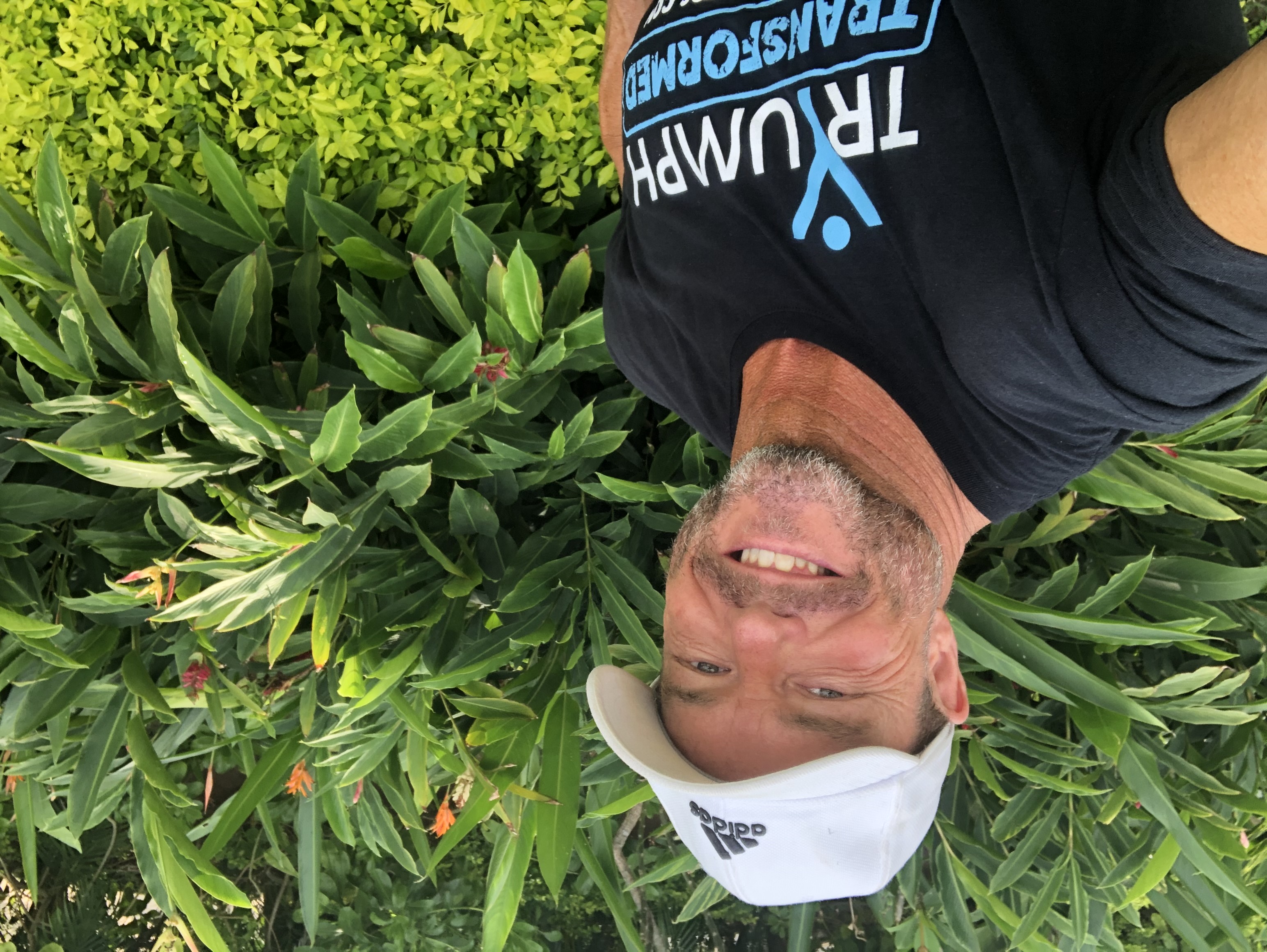
Article by
Coach Matt O'Brien
Coach Matt O'Brien is the founder of TrYumph Functional Training and TrYumph KidFit, where he has helped thousands of adults, children, and families build stronger, healthier, and happier lives through science-based health coaching, personal training, and small group training since 1998. With more than 25 years of coaching experience and over 25,000 hours working one-on-one and in small-group settings, Matt specializes in helping busy adults improve strength, energy, weight loss, nutrition, and long-term health through practical, sustainable lifestyle change.
Matt is a National Board Certified Health & Wellness Coach (NBC-HWC), Certified Strength and Conditioning Specialist (CSCS), Precision Nutrition Level 1 Coach (PN1), and Master Health Coach. His expertise spans strength training, nutrition coaching, healthy habit formation, performance optimization, and healthy aging, helping clients build resilience and enjoy a higher quality of life for years to come. He is also the author of THE MAGIC PILL and FITNESS FUEL (Cookbook) and is passionate about translating complex health and longevity science into simple, actionable strategies that busy people can apply in everyday life.
Through TrYumph KidFit, Matt is equally committed to improving kids fitness, confidence, athletic development, and lifelong healthy habits by creating fun, encouraging environments where children can thrive physically, mentally, and socially.
Matt's coaching philosophy is built on simple beliefs: movement is medicine, consistency beats perfection, and sustainable habits create extraordinary results. His mission is to help people live longer, healthier, happier lives through coaching, community, and caring.
When he's not coaching at TrYumph, Matt enjoys spending time with his wife and two sons, continuing his education in health and longevity science, and creating educational content that empowers people to take control of their health.