The best workout plan is one you can keep showing up for. Small-group fitness for accountability in Pinellas Park combines coached movement with the encouragement of training alongside others, giving you structure without the feel of a crowded, impersonal gym.
It’s normal to want guidance and still worry about keeping up, especially when work and family fill the calendar. A welcoming class can make getting started feel more manageable: the coach guides the workout, adapts movements for different experience levels, and offers feedback as you go.
This guide explains what to look for in small group fitness for accountability in Pinellas Park, how small-group coaching can support consistency, and why beginner-friendly workouts and hands-on instruction matter. You’ll get practical ways to compare your options and choose a routine that fits your schedule, comfort level, and goals.
Key Takeaways
- Look for coaching that gives you clear guidance and encouragement to stay consistent.
- Beginner-friendly workouts can make it easier to start when movements can be adapted to your experience level.
- Choose a studio setting that feels practical for your routine and comfortable for your goals.
- Instructor feedback on form can help you understand how to perform movements with greater confidence.
- Consider whether small-group coaching, personal training, or nutrition support best fits what you want to work on.
Small-group coaching and accountability
Small-group coaching combines instruction with shared training, while accountability comes from clear goals and follow-through. In Pinellas Park, compare the coaching approach, class setup, and policies before choosing a routine.
Small-Group and One-on-One Coaching
Small-group sessions let a coach guide several participants through a shared workout, combining expert direction with the energy of training alongside others. One-on-one Personal Training focuses more closely on your goals, pace, and questions. For example, a private session can focus on adjusting a movement to suit you, while a group session follows a shared plan with individual guidance as needed. Choose based on how much personal attention you want.
Small-group fitness can provide coaching and shared accountability, while one-on-one training offers more individualized attention. If consistency is your main challenge, the structure of a group session may help. If you want each workout tailored to your needs, Personal Training may be a better fit.
When comparing local options, look beyond star ratings and read reviews for specific details about coaching and accountability. Useful examples include instructors explaining movements, offering feedback, or helping members stay engaged. Those details tell you more than a general comment that a class was enjoyable.
Class Sizes and Coach-to-Member Ratios
Group size and coach-to-member ratios differ among Pinellas Park studios. The number of participants can affect how easily a coach observes movements and answers questions. Look for a clearly stated class limit and consider whether the session format leaves room for individual feedback. A smaller group may feel more personal, but attention also depends on how the workout is organized.
There is no single class size or coach-to-member ratio across Pinellas Park studios. Compare the group limit with the session format: a coach leading several stations may divide attention differently from one guiding everyone through the same movement.
Before joining, ask how the coach adapts exercises and review the cancellation policy. Share any movement limitations with the coach so they can discuss suitable modifications. Read the terms for notice requirements, missed sessions, and schedule changes. Knowing the process can help you keep your routine on track when work or other commitments get in the way.
For practical accountability, choose a routine you can maintain around work, parenting, and other commitments. Then find a class schedule and coaching style that support it. A clear goal, regular attendance, and feedback on your progress give each session a purpose, rather than leaving your next workout to chance.
Beginner-friendly group workouts
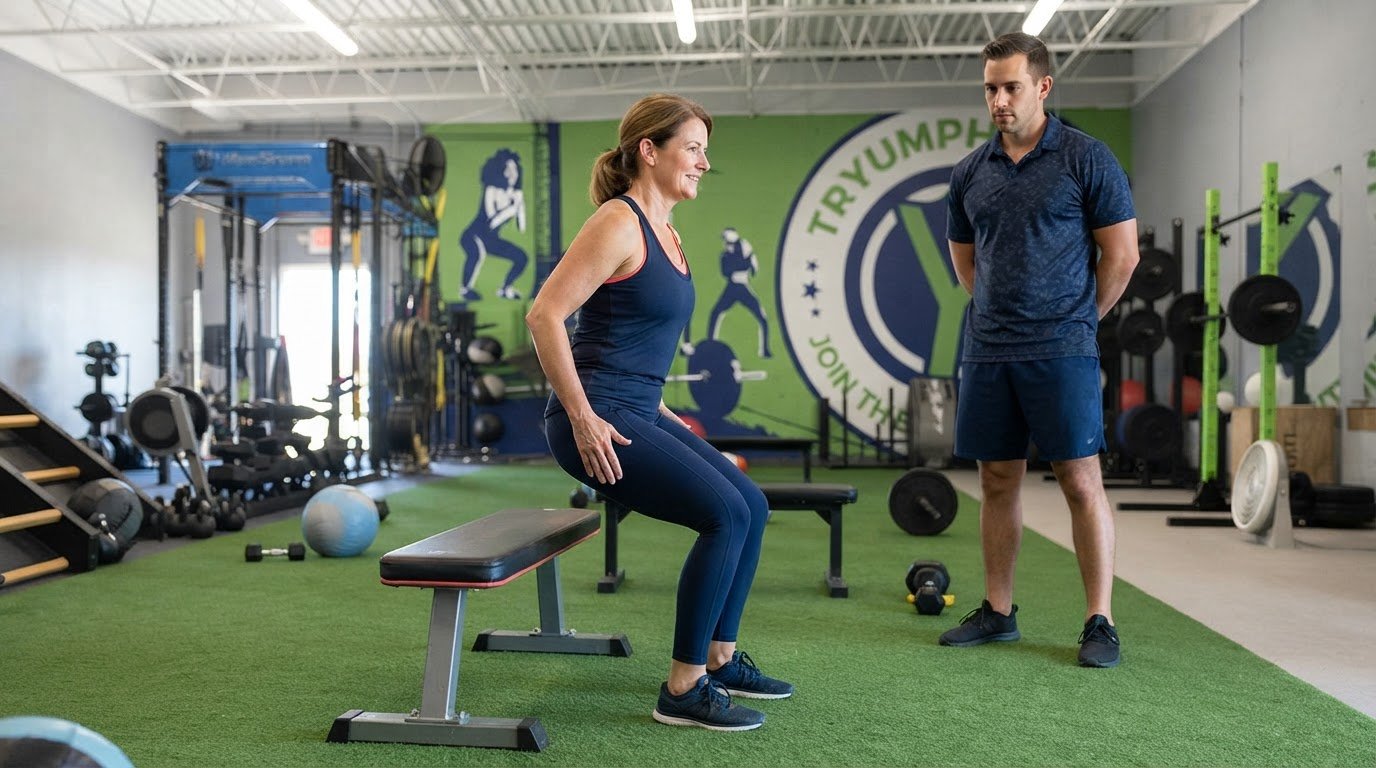
A beginner-friendly workout gives you room to learn before adding complexity. In a Pinellas Park class, that might mean practicing a bodyweight squat before trying it with added resistance. The coach explains and demonstrates the movement, then offers an easier option when needed. You can focus on learning the pattern instead of rushing through unfamiliar exercises.
Look for coaching that builds adaptations into the session. For example, a step-back lunge can become a smaller step or a supported movement. A push-up can start against a wall instead of the floor. These options let participants practice the same movement at different levels of challenge. Ask how the coach adjusts exercises when you need a lower-impact option.
A clear class structure also helps first-timers follow along. The coach might explain the warm-up, demonstrate the day’s movements, and then guide participants through each exercise. Before joining, consider these practical details:
- Instructions: Does the coach demonstrate each movement before the group begins?
- Options: Can participants use lighter resistance, a smaller range of motion, or a different variation?
- Pacing: Is there time to understand the exercise before the next transition?
- Questions: Can you ask for an explanation without feeling rushed?
Tell the coach about a specific concern before class. For example, explain that you’re new to strength exercises or that a movement feels uncomfortable. This gives the coach useful context for suggesting an adjustment. If you have an injury or movement restriction, describe which activities affect it. For exercise decisions involving a health condition, follow medical guidance.
Choose a first class that fits your actual schedule, not an ideal week. A session before work may suit one parent, while an evening class may work better around school pickup. Put the session on your calendar like an appointment. Afterward, note which movements felt clear and where you wanted more instruction. That can help you judge whether the pace and coaching style suit you.
Starting with manageable movement is not the same as avoiding progress. It means building familiarity first, then increasing the challenge as your confidence grows. If you want to experience how coached sessions feel, explore a beginner-friendly training session as a practical next step.
Fitness studios in Pinellas Park
The right fit depends on the training format, schedule, and program terms. Compare those details with your weekly routine before choosing a class.
Available Small-Group Classes
Pinellas Park studios may describe coached group workouts in different ways. Some class formats focus on strength movements, while others use circuit-style stations. Treat those as examples, not a complete directory of local classes. Read each studio’s class description to understand the session’s focus, pace, and level of instructor guidance.
Small-group personal training combines shared sessions with coaching. Look for a clear description of who leads the workout, how participants receive guidance, and whether exercises can be adapted. A schedule listing alone won’t tell you whether a class fits your goals. The format and coaching approach matter too.
Trial Classes and Membership Terms
Trial classes, introductory deals, and month-to-month memberships depend on each studio’s terms. There is no single membership format that applies across Pinellas Park. Read the conditions for any introductory offer, including what it covers, when it ends, and how ongoing membership works. Compare the terms with the routine you can realistically maintain.
Before committing, find out how cancellations, missed sessions, and schedule changes are handled. For example, a parent whose work schedule changes may value clear rescheduling terms. A trial session can also help you experience the coaching style before you decide. Focus on the terms, not just the headline offer.
Class Schedules and Booking Requirements
Pinellas Park studios set their own schedules and booking requirements. Class times, reservation processes, and cancellation windows can differ by location and program. Compare the weekly calendar with your work hours, school pickup, or commute. A class that fits your actual week is more practical than one that only works on an unusually open day.
Check whether the schedule shows recurring sessions or changing class times, and note how reservations and cancellations work. If classes fill quickly, booking rules can affect how consistently you attend. These details help you judge whether the program supports your routine instead of adding another scheduling burden.
When looking for small group fitness for accountability in Pinellas Park, prioritize studios that describe coached sessions and shared training. Compare class descriptions, instructor involvement, program terms, and schedules. Reviews are most useful when they mention specific experiences, such as clear instruction or follow-up, rather than only giving a general rating.
Use a simple comparison: choose a class format that fits your goals, match its schedule to your week, and review the program terms. Someone seeking strength coaching may prioritize instructor guidance, while a busy caregiver may start with convenient class times. These practical details can help you find a Pinellas Park fitness studio that supports consistent participation.
Instructor guidance and form correction
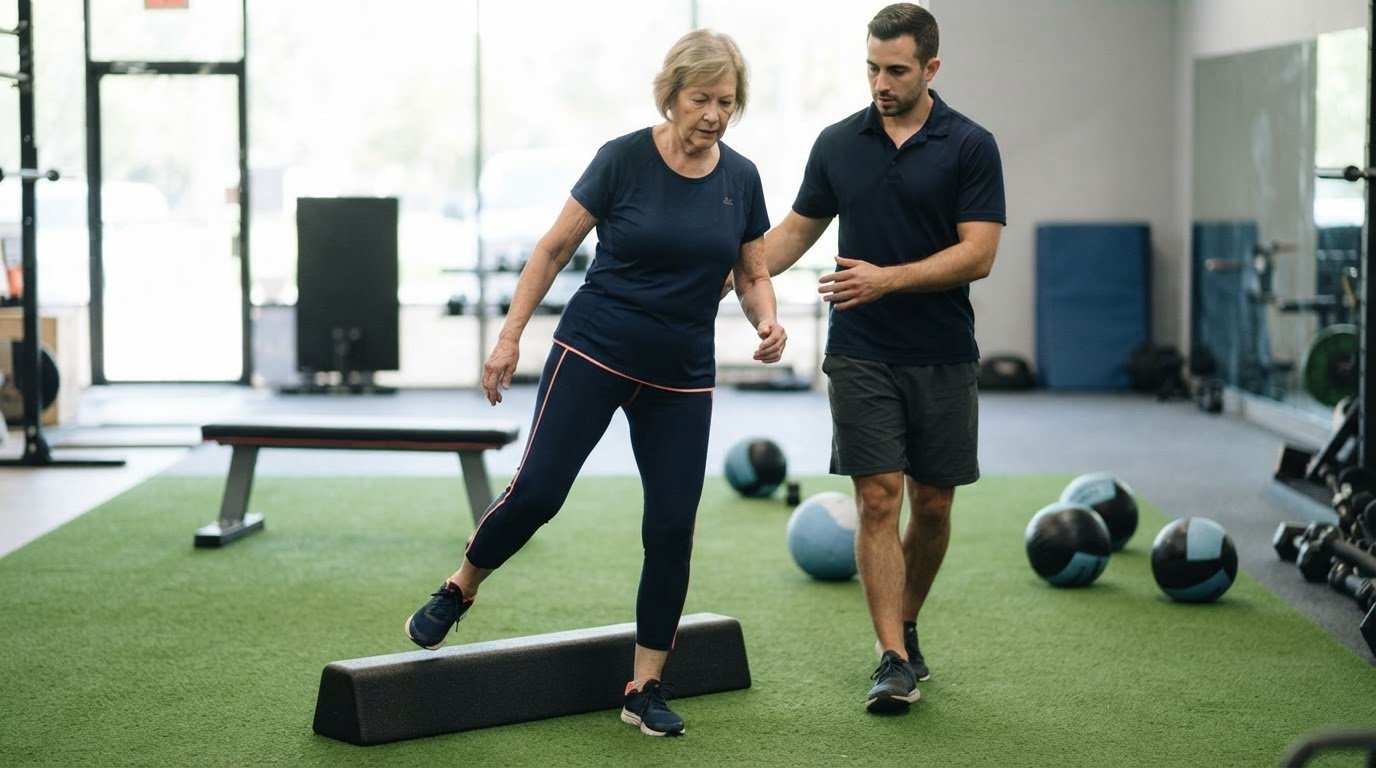
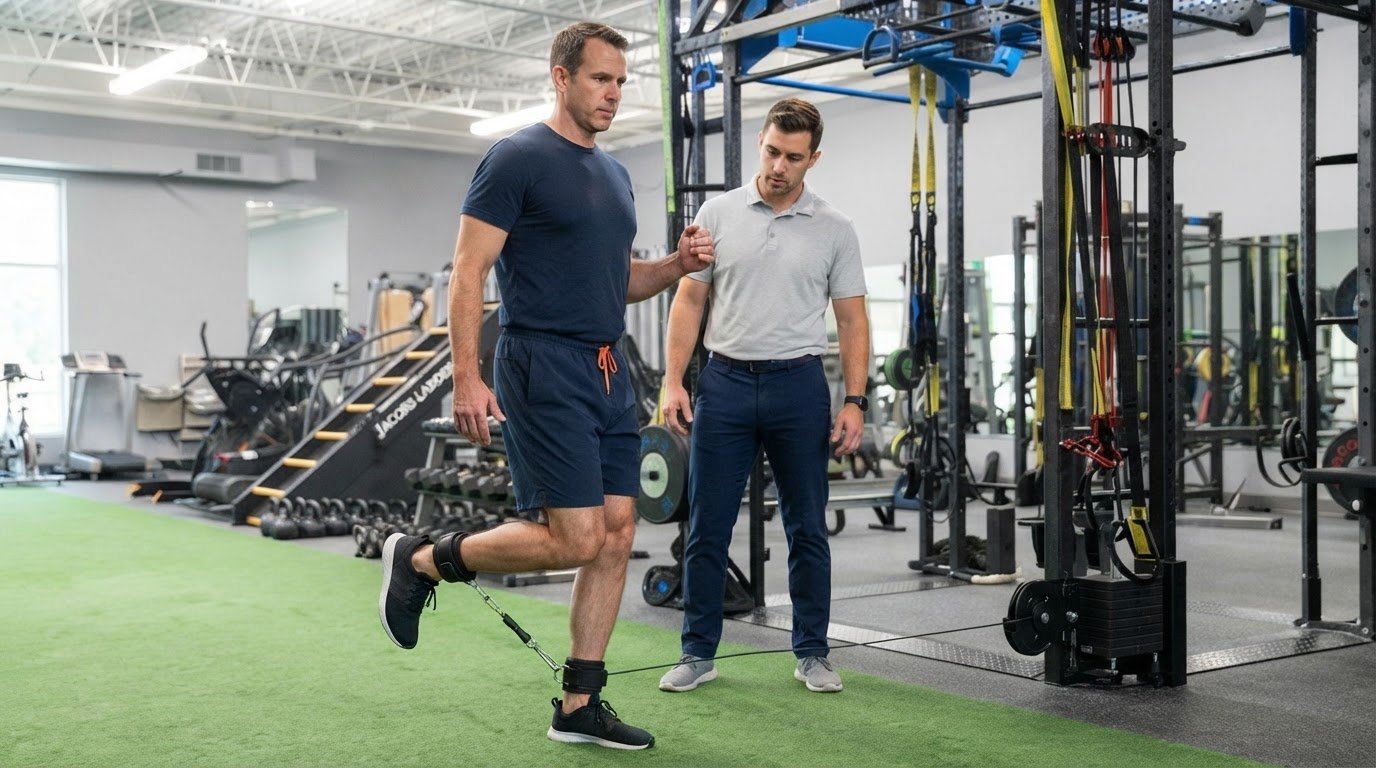
Useful coaching makes movements easier to understand and repeat. In a small-group session, the coach can demonstrate an exercise, observe participants, and offer a clear cue. During a squat, for example, they might suggest slowing down or adjusting your stance. Specific feedback gives you something practical to try on the next repetition.
Good form instruction starts before the movement. The coach explains the exercise, demonstrates its main steps, and offers an accessible option. During a hip hinge, for example, they might show how to move your hips back with control. A brief demonstration gives you a reference point before you begin.
Feedback should be specific and easy to apply. A cue such as “slow the lowering phase” gives you a clear action. The coach can demonstrate the adjustment and watch you try again. In a group class, notice whether instructions reach everyone and whether the coach makes time for questions between exercises.
- Demonstration: The instructor shows the movement before the group starts.
- Clear cues: You hear a practical direction, such as adjusting your stance.
- Observation: The coach watches participants rather than only leading from the front.
- Follow-up: You can try the cue and ask whether the adjustment looks clearer.
Form feedback can help explain why an exercise feels unfamiliar. If a lunge feels awkward, the coach might suggest a shorter step or slower pace. That adjustment gives you a clear alternative instead of leaving you to guess. Tell the coach what feels difficult, such as balance or range of motion, so the guidance addresses your concern.
For busy adults, direct explanations matter. Long technical descriptions can be hard to remember during a moving class. A brief cue paired with a demonstration works like a road sign, pointing you toward the next action. Notice whether the coach uses plain language, checks understanding, and gives you time to make an adjustment.
Consider how coaching works throughout the session, not just during the opening demonstration. In a circuit, for example, the coach should explain how to move between stations and what to do if an exercise needs adapting. Clear organization helps you stay oriented as the class progresses. Attentive observation and useful feedback make group coaching feel personal without turning it into one-on-one training.
What small-group fitness classes are available in Pinellas Park, Florida?
Class formats vary, so compare the workout and coaching focus instead of relying on a label. Small-group sessions may center on strength exercises, circuit stations, or general conditioning. Read the session description to understand what participants do and how the coach guides them.
A strength-focused class might use bodyweight movements or resistance equipment. A circuit may rotate participants between exercise stations, while general conditioning can combine different movement styles. Each format feels different, so match the description to your goals. If you’re learning basic strength movements, for example, you may prefer a session that explains each exercise clearly.
Class names alone rarely explain the full experience. Look for practical details about the workout focus, equipment, pace, and instructor involvement. A listing that says “strength” is less informative than one describing coached movements and exercise options. A clear description makes it easier to judge whether the class matches your experience and preferences.
- Workout focus: Identify whether the session emphasizes strength, circuits, or conditioning.
- Coaching: Look for explanations, demonstrations, and movement feedback.
- Adaptations: See whether the class description mentions options for different abilities.
- Schedule: Match listed class times with your work or family routine.
Choose based on the support you want, not the most intense-sounding title. If you’re new to group training, a coach-led session with clear explanations may feel more approachable than a fast-changing format. If you already know the basic movements, a circuit may offer the variety you prefer. Let your goals, confidence, and available time guide your choice.
For accountability, consider how the class fits into a repeatable week. A convenient session you can attend consistently may serve you better than a format that conflicts with work or school pickup. Check whether the schedule lists recurring classes and how reservations work. Those details can turn an appealing class description into a workable routine.
Small-group fitness in Pinellas Park is easiest to evaluate by comparing the actual class descriptions, not assuming every studio offers the same menu. Review the format, instructor guidance, and schedule together. If you want to experience a coached training session, explore the free training trial as a next step.
Small-group sessions may focus on strength exercises, circuit stations, or general conditioning, but these are formats to look for rather than a confirmed list of local classes. Check class descriptions for the workout, coaching approach, adaptations, and schedule.
TrYumph Fitness: Small Group Training
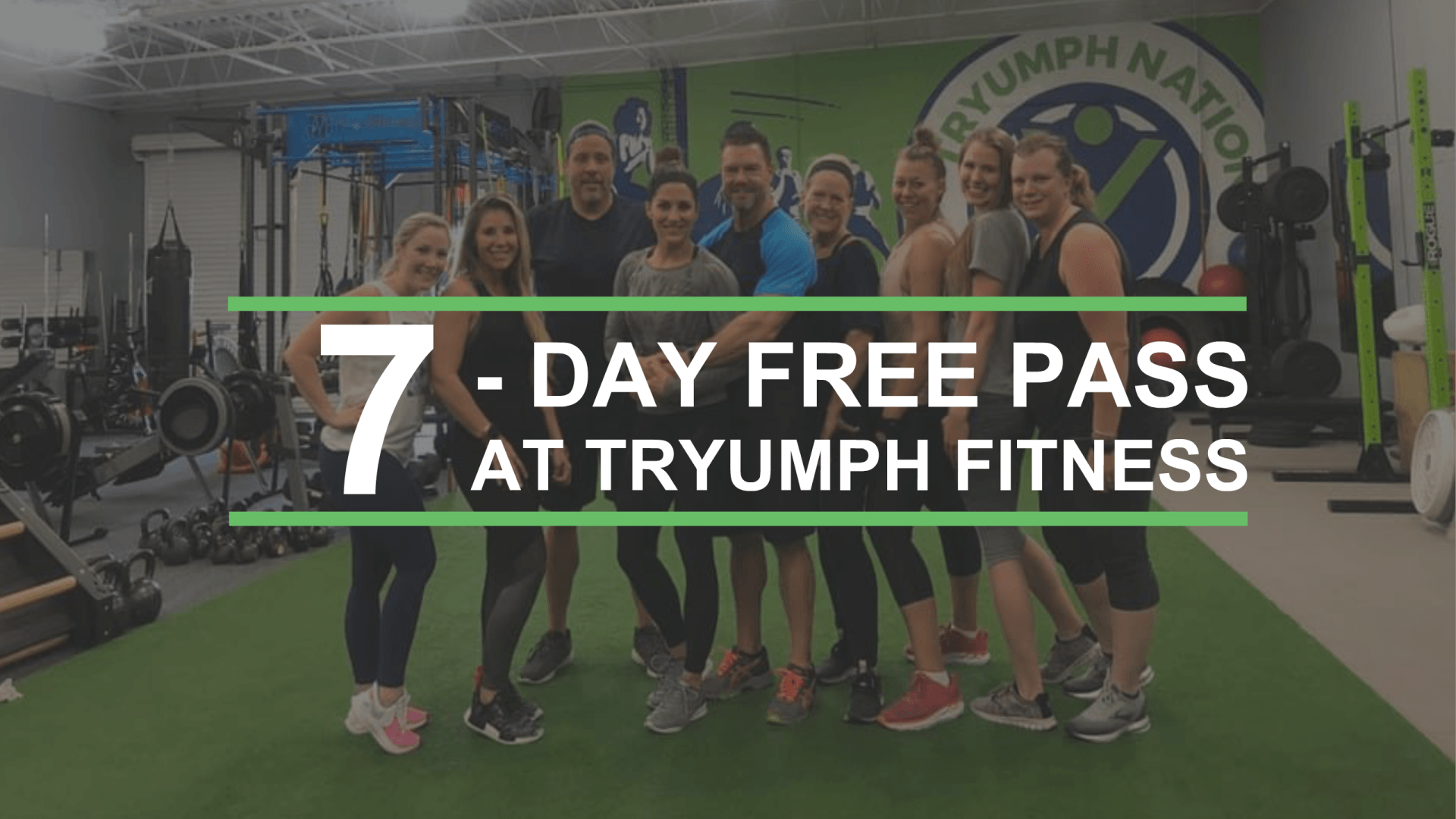
TrYumph Fitness offers Small Group Training for people who want coached workouts and a shared training environment. It can be a good fit if you’re looking for structure and accountability alongside others. For more individualized coaching, Personal Training is another option. Nutrition Coaching can complement your training with support for food habits, and KidFit is designed for kids.
Consider what would help you stay engaged: a group setting, individual guidance, or nutrition support. That gives you a practical starting point for discussing your goals and routine with TrYumph Fitness.
If you’d like to talk about your fitness goals, contact TrYumph Fitness.
Make your next step fit real life
A lasting routine starts with a choice you can return to, even during a packed week. Decide what you want your next month of movement to feel like: more structure, greater confidence, or simply a reliable place to begin. Then choose a first session that fits your schedule and feels manageable. Small group fitness for accountability in Pinellas Park can help you build consistency with coaching and a shared routine.
Keep your first goal simple. Choose a session, put it on your calendar, and notice what helps you show up. A steady start matters more than waiting for the perfect week or the perfect fitness level.
Ready to take that step? Contact TrYumph Fitness to get started. Your next workout can be the beginning of a routine that feels more achievable, one session at a time.
Frequently Asked Questions
Are there beginner-friendly small-group fitness programs in Pinellas Park?
Yes. Beginners can look for group programs that make progress understandable across sessions, rather than changing every movement before it becomes familiar. Repeating a basic movement pattern, for example, can help you notice changes in your control or confidence. Consider what you want to build first, such as a regular activity habit or comfort with strength training. That focus can clarify where to start.
What accountability features do local small-group fitness programs provide, such as progress tracking or attendance check-ins?
Accountability can include attendance tracking, goal reviews, or check-ins, though methods vary by program. These tools are most helpful when a missed session leads to a useful adjustment, not guilt. For example, a coach might review whether recurring schedule conflicts are getting in the way and help reshape the plan. Progress notes can also make improvements in consistency easier to notice.
Article by
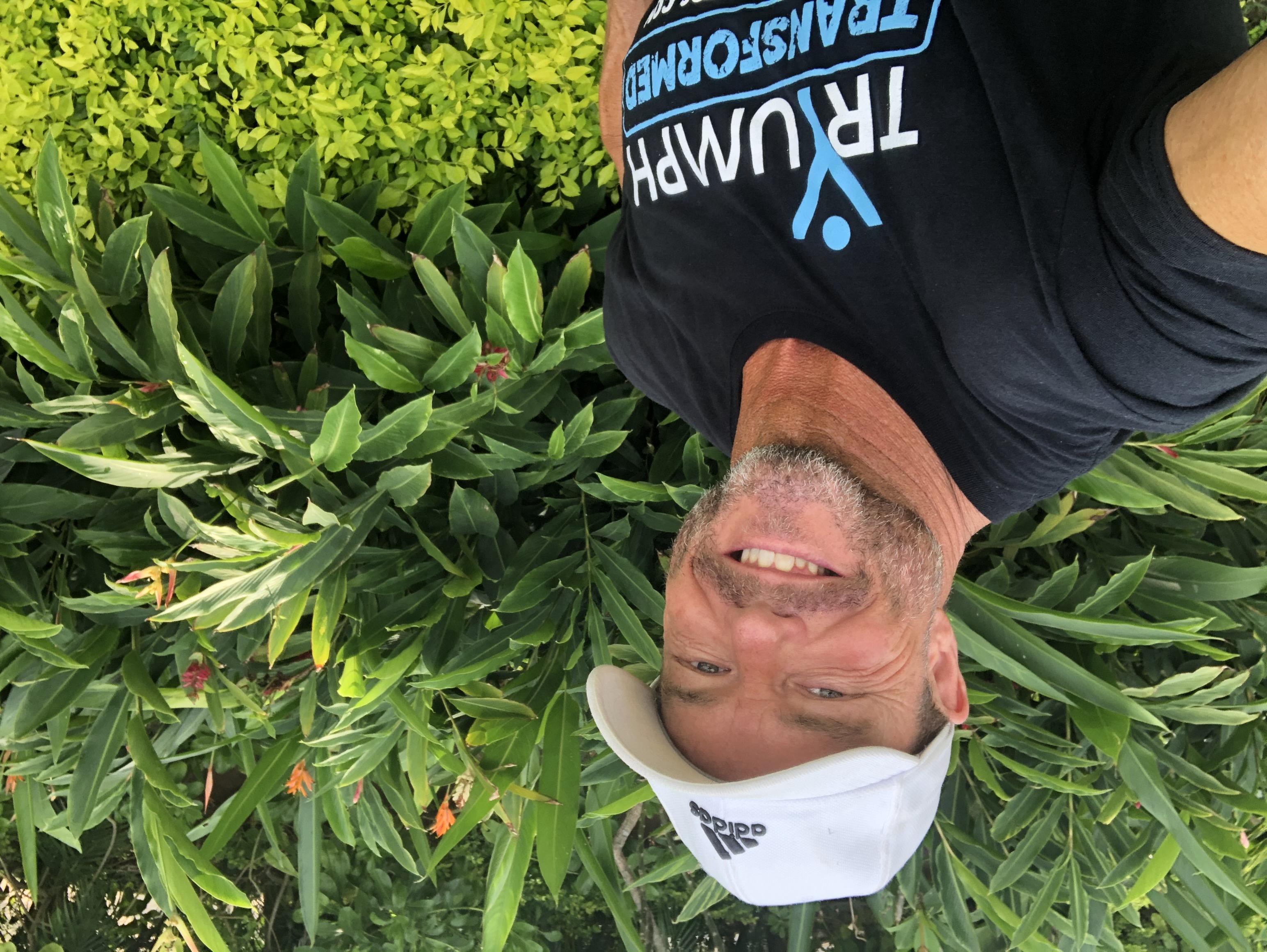
Coach Matt O'Brien
Coach Matt O'Brien is the founder of TrYumph Functional Training and TrYumph KidFit, where he has helped thousands of adults, children, and families build stronger, healthier, and happier lives through science-based health coaching, personal training, and small group training since 1998. With more than 25 years of coaching experience and over 25,000 hours working one-on-one and in small-group settings, Matt specializes in helping busy adults improve strength, energy, weight loss, nutrition, and long-term health through practical, sustainable lifestyle change.
Matt is a National Board Certified Health & Wellness Coach (NBC-HWC), Certified Strength and Conditioning Specialist (CSCS), Precision Nutrition Level 1 Coach (PN1), and Master Health Coach. His expertise spans strength training, nutrition coaching, healthy habit formation, performance optimization, and healthy aging, helping clients build resilience and enjoy a higher quality of life for years to come. He is also the author of THE MAGIC PILL and FITNESS FUEL (Cookbook) and is passionate about translating complex health and longevity science into simple, actionable strategies that busy people can apply in everyday life.
Through TrYumph KidFit, Matt is equally committed to improving kids fitness, confidence, athletic development, and lifelong healthy habits by creating fun, encouraging environments where children can thrive physically, mentally, and socially.
Matt's coaching philosophy is built on simple beliefs: movement is medicine, consistency beats perfection, and sustainable habits create extraordinary results. His mission is to help people live longer, healthier, happier lives through coaching, community, and caring.
When he's not coaching at TrYumph, Matt enjoys spending time with his wife and two sons, continuing his education in health and longevity science, and creating educational content that empowers people to take control of their health.