
Yes, you can find a senior fitness trainer in Largo. Five trainers serving the area list geriatric fitness training as a specialty, giving you a starting point for finding coaching that considers older adults’ needs.
It makes sense to want more than a standard workout. Strength and balance exercises can target movements used in everyday life, while a tailored plan can build on your current abilities and goals. Look for coaching that feels supportive, practical, and suited to your routine.
This guide explains what a senior fitness assessment may cover, how a trainer can adapt sessions, and what to consider when comparing schedules and credentials. It also looks at personal training and small-group coaching, so you can decide which kind of support fits your goals.
Key Takeaways
- Look for training that builds balance and strength through movements relevant to everyday activities.
- A thoughtful assessment helps shape a plan around your current abilities, goals, and individual needs.
- Scheduling and service area can affect whether training fits comfortably into your routine.
- Understanding a trainer’s certifications can help you assess whether their experience aligns with the support you’re seeking.
- Personal or small-group coaching offers different ways to work toward a consistent fitness routine.
Balance, strength, and fall prevention
Balance and strength exercises can be part of a routine focused on steadier movement and fall prevention. These exercises can be part of a broader approach to supporting balance and fall prevention. Strength also matters for everyday tasks, from rising from a chair to carrying groceries. The page states that people lose 10% of their strength every decade without regular exercise, but it does not explain how this figure was measured or what type of strength it refers to. A trainer can shape sessions around movements that make daily routines feel more manageable.
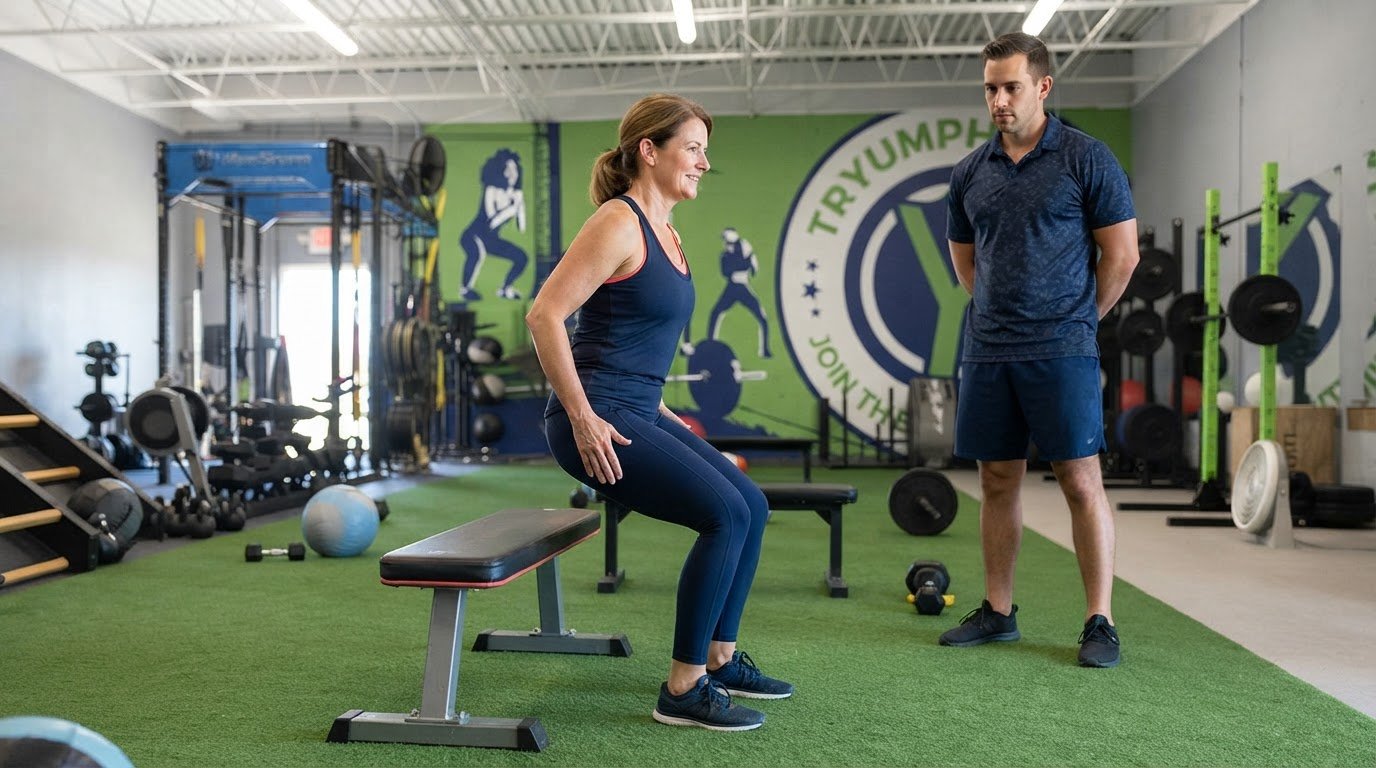
A senior fitness trainer in Largo may begin by observing familiar movements. Standing up from a chair, for example, involves leg strength, control, and balance. Walking and turning combine those skills. This practical focus connects exercise to everyday activities rather than treating each movement as an isolated task.
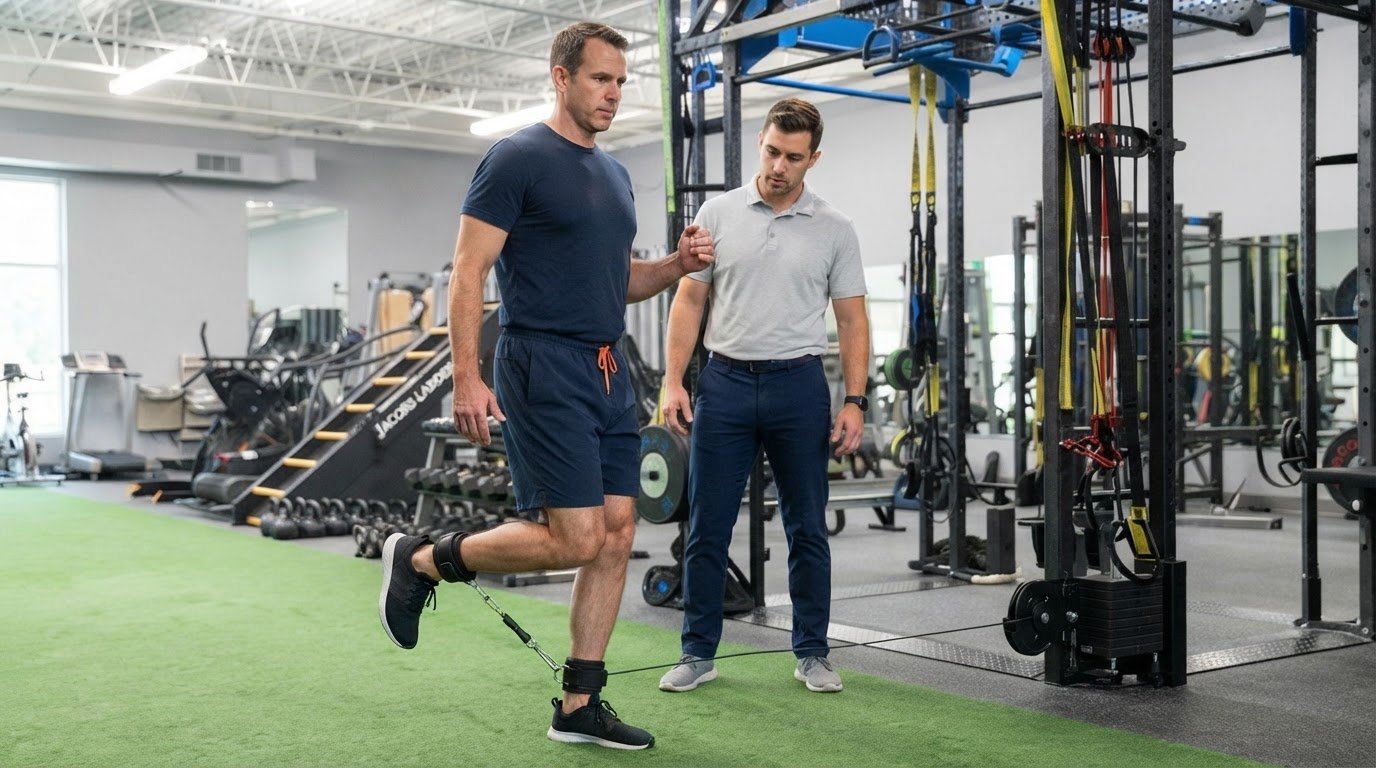
Balance work can begin with supported movements and progress as your control improves. A trainer might have you hold a stable chair or countertop while shifting your weight from one foot to the other. That support offers a steady reference point. Your coach can observe your posture, foot placement, and confidence, then adapt the movement to your current ability.
Posture cues can add another useful layer. During a sit-to-stand, a trainer might ask you to stand tall, look forward, and move with control. These cues help you notice your body position. If your shoulders round or your steps shorten, the trainer can adjust the setup or pace. The aim is purposeful practice, not rushed repetitions.
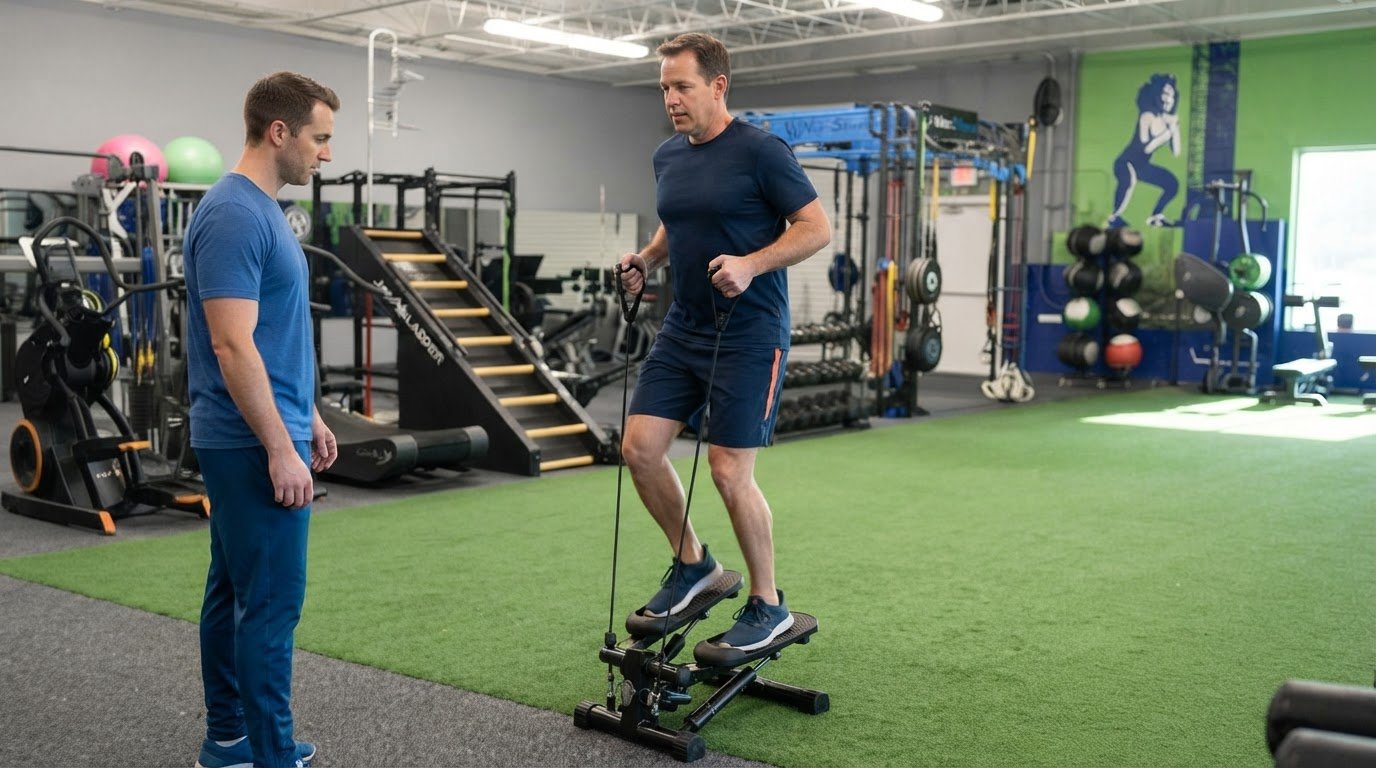
Strength exercises can use bodyweight or manageable resistance to challenge the muscles involved in daily movement. A chair squat, for example, practices lowering and standing with control. A supported heel raise works the lower legs while the chair provides stability. The trainer can select exercises based on your movement, comfort, and goals, then adjust the challenge as your ability develops.
Fall prevention involves more than a single balance drill. A session can combine strength, posture, controlled stepping, and turning. The trainer can demonstrate a movement, break it into smaller parts, and observe how you respond. This feedback helps identify where you need support and keeps practice relevant to everyday situations, such as stepping around an obstacle at home.
Reviews of senior personal trainers in Largo, Florida, can offer clues about clients’ experiences with coaching and communication. Look for specific examples of exercise adjustments, clear instructions, or progress with everyday movements instead of relying on a rating alone.
Before training begins, describe movements that feel difficult, such as getting up from a low chair or turning while walking. This gives the trainer a practical starting point. A suitable plan should connect each exercise to your priorities, keep movements controlled, and build confidence through steady, appropriate challenges.
Avoid relying on broad praise alone. Look for reviews that describe a trainer listening to concerns, offering suitable modifications, and explaining how an exercise relates to daily activities. You can also ask how sessions are adapted when balance feels uncertain or a movement causes discomfort. Clear communication makes it easier to explain what feels manageable and where you need support. These details help you judge whether the coaching approach fits your priorities, without assuming every trainer works the same way.
The page states that exercise helps with conditions including arthritis, diabetes, and heart disease, with a 25-40% reduction, but it does not specify what is reduced or what evidence supports this figure. If managing any of these conditions is part of your goals, discuss your needs with an appropriate health professional and tell the trainer what guidance you have received. The page also notes that 8 trainers serving Largo list Strength Training as a specialty. That can give you a starting point when comparing local options, but a specialty label alone may not show how a coach adapts exercises for your movement and comfort. Ask about the trainer’s approach to building strength alongside balance practice, and how progress is discussed. A helpful plan should connect the exercises to activities that matter to you while allowing the challenge to be adjusted as needed. Choose a coach whose explanations feel clear and whose approach leaves room for your questions.
Physical assessments and tailored plans
A personalized fitness plan starts with understanding you, not selecting exercises from a template. An assessment gives the trainer a starting point by exploring your movement abilities, goals, and areas to address. It can help shape a plan around practical priorities, such as walking more comfortably or building strength for daily tasks. Think of it as a map before choosing a route.
The conversation matters, too. A trainer can ask what you want to achieve, which activities feel challenging, and what has changed in your routine. You might mention, for example, that getting up from a low chair feels harder than walking on level ground. That detail helps focus the assessment on movements that matter in your day.
Next, the trainer may observe simple movements such as standing from a chair, reaching overhead, or walking and turning. These show how you coordinate movement and where adjustments may help. The trainer can also note whether you use a wall or chair for support. The aim is to understand your starting point, not judge you or push you beyond it.
Share relevant health history, past injuries, and any movement limits that affect exercise. For example, mention discomfort when reaching overhead or difficulty stepping onto a curb. These details help the trainer choose suitable starting movements instead of making assumptions. If a movement causes pain or feels unsteady, say so during the assessment so the trainer can adjust it.
A tailored plan turns assessment observations into practical training choices. If standing from a chair is challenging, the plan might begin with a higher seat and controlled repetitions. If turning feels uncertain, the trainer may introduce slow, supported changes of direction. Each exercise should have a clear purpose and a manageable starting point. Progress can come from adjusting the movement, resistance, support, or pace.
A useful plan also fits the rest of your week. A trainer can discuss which days work for you and how exercise could fit alongside errands, family commitments, or work. Someone with a busy weekday routine, for instance, might prefer a regular appointment around an existing trip. A realistic schedule is easier to maintain than an ambitious routine that clashes with daily life.
An assessment need not determine your plan forever. As exercises become easier, the trainer can review and adjust the challenge. If a chair stand feels controlled, they might change the support or range of motion. If your balance varies from day to day, the session can use steadier options. These check-ins keep training responsive rather than locking you into the first plan.
Before the first session, prepare a short list of goals, movements you find difficult, and questions about exercise options. A few specific examples give the trainer useful context without taking much time. You can also explore the free-trial option as a next step toward guided training.
Trainer availability and service area
In-home training can suit people who prefer familiar surroundings and less travel. Training in a dedicated exercise space may suit those who want access to equipment. Consider your mobility, transportation, home setup, and comfort exercising around others when choosing a format.
Five trainers serving Largo list geriatric fitness training as a specialty, a useful starting point for exploring senior-focused options. A local listing count doesn’t show which appointment times are open. Schedules, locations, and session formats affect what may fit your routine.
Experience can help narrow the field. Among trainers serving Largo with known start dates, the average experience is 15 years. Eight of the 12 trainers with known start dates have at least 10 years of experience. These figures describe the listed local pool, not a guarantee of fit. Look for relevant senior-training experience alongside a schedule that works for you.
Before comparing appointment times, decide what a workable weekly routine looks like. Senior fitness coach Dannie Alter recommends training two to three times a week, which can serve as a reference point when discussing frequency. Your commute, energy, work, caregiving, and other appointments also shape a realistic schedule.
For example, an adult with a packed weekday calendar might prefer appointments near an existing errand. Someone relying on a family member for transportation may need sessions that fit that person’s schedule. In-home training can reduce travel, while training in a dedicated space requires planning the trip and arrival. Either format works best when the location supports consistent attendance.
For in-home sessions, the service area matters because travel distance can affect which appointments are practical. For training in a dedicated exercise space, consider the route, parking, entrance access, and how easily you can reach the workout area. These details influence whether a routine fits everyday life.
Before settling on a format, consider these practical factors:
- Travel: Can you reach the gym safely and reliably?
- Home setup: Is there enough clear space to move comfortably?
- Support: Would a family member or caregiver help with transport?
- Routine: Which days and times can you protect consistently?
- Session setting: Do you focus better at home or in a dedicated training space?
Small details can affect your schedule. A long drive, an appointment that overlaps with caregiving, or a crowded household may make one format harder to maintain. Someone who shares a car, for instance, may need to coordinate training around another person’s workday. Mapping out these constraints first can make personal training more practical.
Consider the whole week, not just your ideal session time. If your plan includes two or three weekly visits, account for recovery, transportation, and everyday responsibilities. A dependable schedule is more useful than a perfect plan that repeatedly conflicts with work or family needs.
Three trainers serving Largo list nutrition as a specialty, and five list pre- and post-rehabilitation as a specialty. Seven trainers serving Largo have an ACE certification.
Certifications
Certifications can show where a trainer has pursued focused education. They’re one part of choosing senior fitness guidance, not the whole picture. Among local listings, seven trainers serving Largo list an ACE certification, while four list a NASM certification. These figures describe credentials in local listings, not the quality of every session.
For senior-focused coaching, consider whether a trainer’s credentials relate to older adults, balance, or strength. Dannie Alter is listed as a licensed senior fitness instructor, Silver Sneakers instructor, and elder fitness coach. Those titles indicate different areas of focus. Ask how the trainer applies their experience to practical movements, such as standing up from a chair or walking with greater control.
Additional qualifications can indicate specific areas of study. Alter lists certifications in balance and posture correction, anatomy and physiology, neuromuscular therapy, basic nutrition, medical massage therapy, and post-surgical rehabilitation. Training in balance and posture may relate to movement goals, while post-surgical rehabilitation may be relevant when returning to exercise after surgery. The trainer should explain how a qualification informs the exercises they plan.
Use a simple three-step review when comparing credentials:
- Identify the focus. Note whether the credential covers senior fitness, strength, balance, or another relevant area.
- Connect it to your goal. For example, ask how posture training may shape sessions focused on steadier walking.
- Look at the coaching. Notice whether instructions are clear and exercises are adapted to your ability.
That practical application matters. A certificate alone doesn’t show how a trainer communicates, modifies an exercise, or responds when a movement feels uncomfortable. If standing from a chair feels difficult, a capable coach can explain the movement, offer a suitable variation, and monitor your form. The guidance should be understandable, not hidden behind technical language.
Experience adds context to credentials. Dannie Alter reports 25 years of experience as a senior fitness coach, working with adults, including people with medical conditions, injuries, or mobility issues. That background is one example of relevant experience. During an introductory conversation, share your goals and ask how the trainer’s background informs the session structure.
Keep the distinction clear: a certification reflects study in a subject, while coaching experience shows how that knowledge is used with people. Neither label replaces clear communication about your goals, abilities, and preferred training environment. A useful answer describes a real session, such as how the coach might adjust resistance or support for a particular movement.
For a quick comparison, note each trainer’s listed credential, its focus, and how it might relate to your goals. Then consider whether their explanations make sense to you. This keeps the decision practical when several titles sound similar but emphasize different areas.
Ready to take a practical first step toward guided fitness? Explore the free-trial option and begin a conversation about training that fits your goals.
TrYumph Fitness
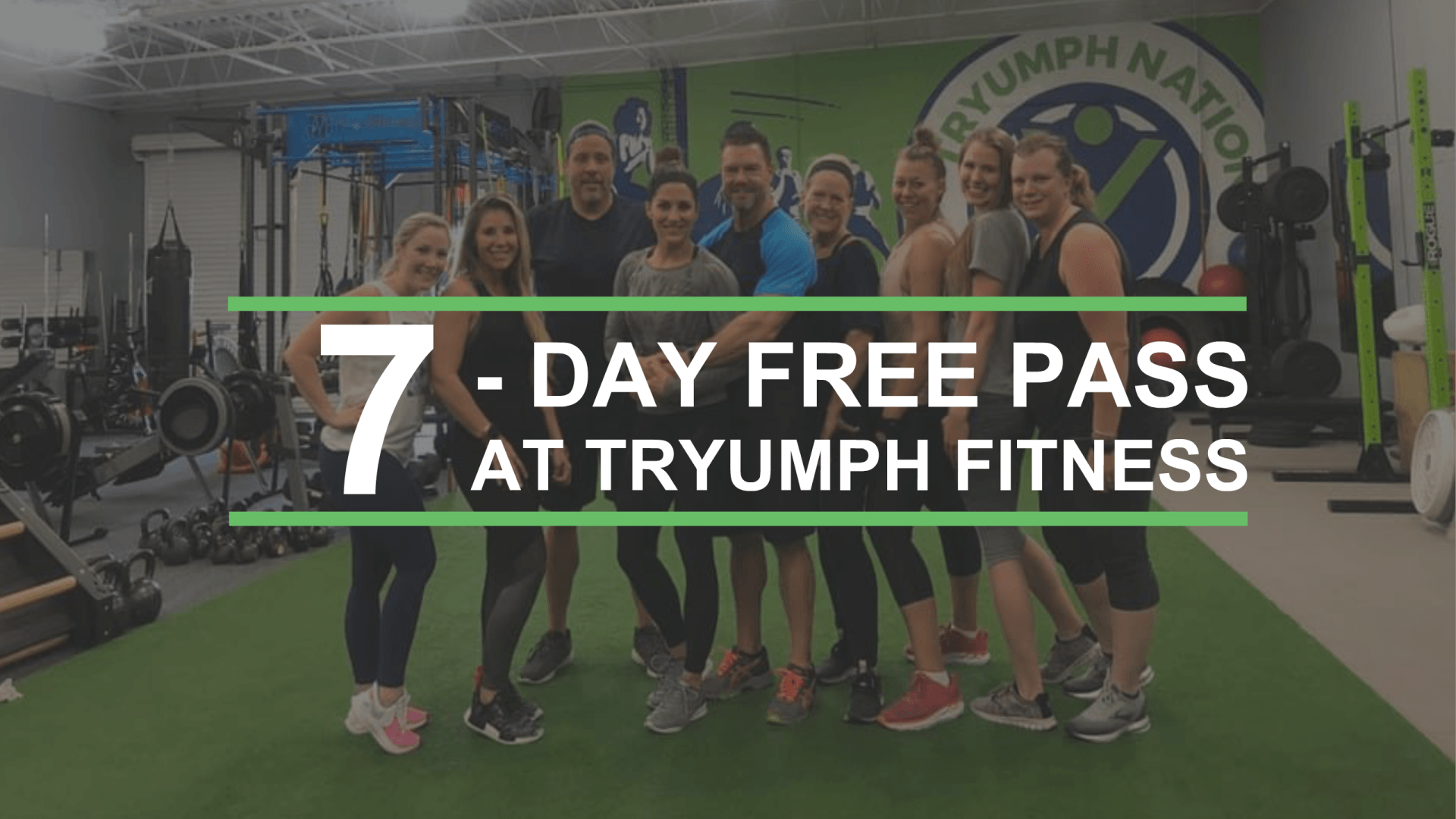
TrYumph Fitness offers personal training and small-group coaching to help you build a consistent fitness routine. If you’re considering senior-focused guidance, think about whether individualized support or a group setting better fits your goals, comfort, and schedule. Coaching can add structure to strength and wellness goals while taking everyday demands into account. Share what you want to work on, such as moving with more confidence or building strength for daily activities, and discuss a practical way to begin. TrYumph Fitness offers a free consultation and trial, with onsite and virtual options. Submit the form, and the team will contact you by call or text within two business days.
Make Your Next Step Count
Choosing a senior fitness trainer in Largo is one step toward making movement a more intentional part of your life. Start by deciding what you’d like to work on, then talk about the coaching that could fit your routine. TrYumph Fitness offers Personal & Small Group Training, along with all-inclusive nutrition, fitness, and weight-loss programs. Families looking for a fitness option for children can also explore KidFit. The right starting point depends on your goals and household.
You don’t need to have every detail figured out before you begin. Bring a goal, a question, or a movement you’d like to feel more confident doing. A conversation can help you explore a practical direction in a positive, supportive setting.
Start a conversation with TrYumph Fitness and take your next step toward feeling stronger and more confident.
Frequently Asked Questions
Are there trainers in Largo who work with seniors?
Yes. Trainers serving Largo include professionals who list senior fitness as a specialty. To find a suitable match, consider what you want help with, such as walking confidence, strength, or returning to regular activity. Then look for coaching experience relevant to that goal. A useful conversation should cover how sessions can adapt to your current abilities and the movements you want to make easier.
Can a trainer in Largo help with weight loss and nutrition?
Yes. TrYumph Fitness offers nutrition coaching and weight-loss challenges alongside fitness coaching. These can help connect your activity routine with nutrition goals. For example, you might discuss fitting healthier choices into a busy workday. Coaching offers guidance and accountability, not a promise of a particular weight-loss result.
Which nearby areas do trainers cover?
TrYumph Fitness serves Largo, Seminole, Clearwater, Pinellas Park, Indian Rocks Beach, and Madeira Beach in Tampa Bay, Florida. Choosing a convenient location can make regular sessions easier to fit around work, family, and transportation. If you live near a city boundary, consider your usual routes and travel routine when planning training.
How do I evaluate a certified senior fitness trainer in Largo?
Look beyond a credential’s title and consider how the trainer applies that knowledge. Describe a movement that feels difficult and listen for a clear explanation of possible adjustments. Notice whether the trainer communicates in a way you understand and takes your goals seriously. Relevant experience, thoughtful exercise choices, and respectful communication all help you judge whether the coaching approach suits you.
What certifications should a senior fitness trainer have?
Look for credentials related to personal training, older-adult fitness, or movement areas connected to your goals. A general fitness certification and a senior-focused qualification indicate different kinds of study, so consider both alongside practical experience. If balance or posture is a priority, ask how the trainer’s training informs those sessions. Credentials can guide your questions, but the coaching approach matters too.
What safety risks and health screening should I expect before senior fitness training?
Expect the trainer to ask about your exercise history, current movement limits, past injuries, and activities that feel uncomfortable. Mention, for instance, if standing from a chair or walking on uneven ground feels challenging. This information helps the trainer choose a suitable starting point and adapt exercises. During sessions, tell the trainer if a movement feels painful, tiring, or unsteady.
Reviews of senior personal trainers in Largo, FL
Reviews can offer clues about clients’ experiences with coaching and communication. Look for specific examples of exercise adjustments, clear instructions, or progress with everyday movements instead of relying on a rating alone.
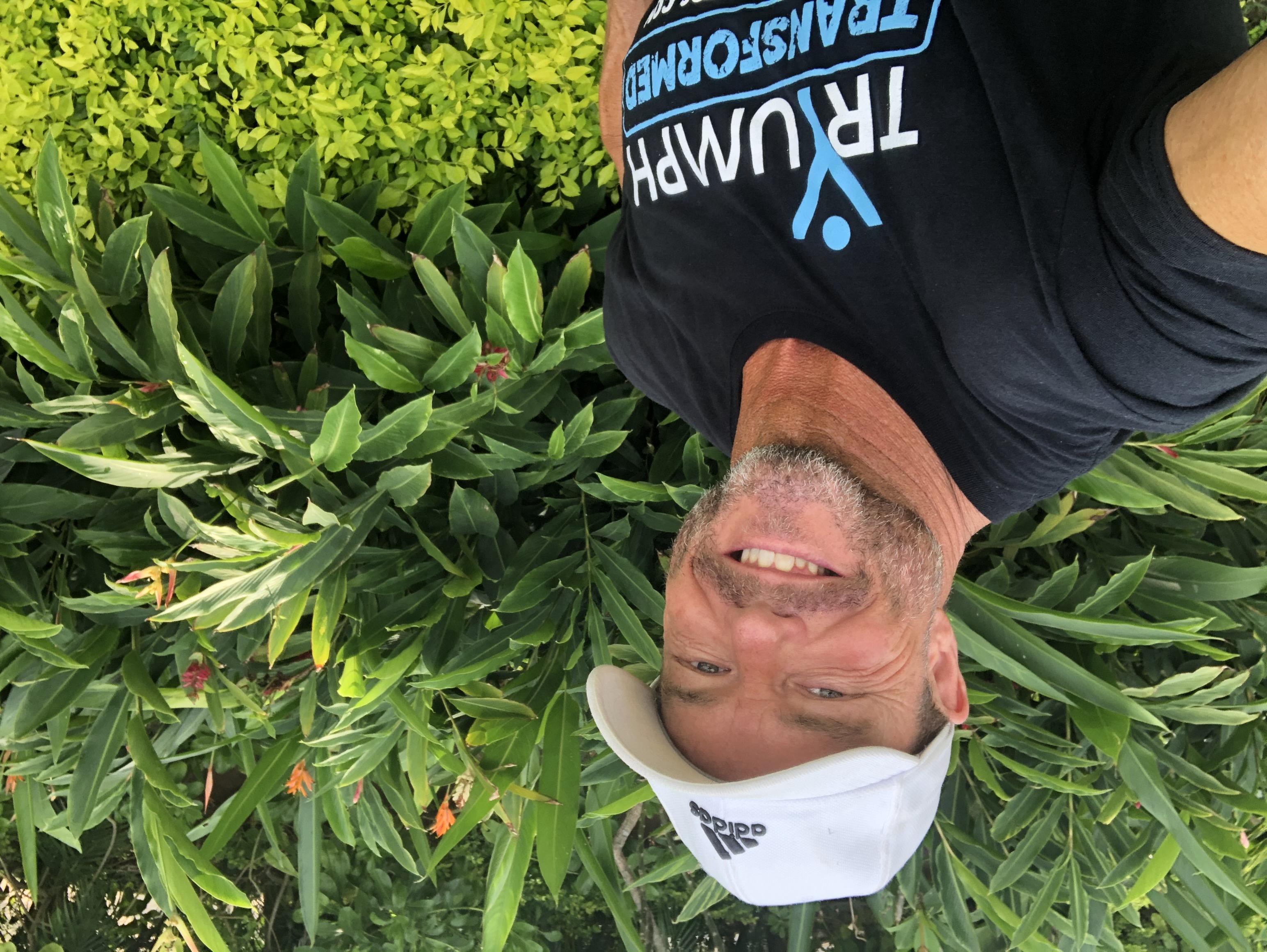
Article by
Coach Matt O'Brien
Coach Matt O'Brien is the founder of TrYumph Functional Training and TrYumph KidFit, where he has helped thousands of adults, children, and families build stronger, healthier, and happier lives through science-based health coaching, personal training, and small group training since 1998. With more than 25 years of coaching experience and over 25,000 hours working one-on-one and in small-group settings, Matt specializes in helping busy adults improve strength, energy, weight loss, nutrition, and long-term health through practical, sustainable lifestyle change.
Matt is a National Board Certified Health & Wellness Coach (NBC-HWC), Certified Strength and Conditioning Specialist (CSCS), Precision Nutrition Level 1 Coach (PN1), and Master Health Coach. His expertise spans strength training, nutrition coaching, healthy habit formation, performance optimization, and healthy aging, helping clients build resilience and enjoy a higher quality of life for years to come. He is also the author of THE MAGIC PILL and FITNESS FUEL (Cookbook) and is passionate about translating complex health and longevity science into simple, actionable strategies that busy people can apply in everyday life.
Through TrYumph KidFit, Matt is equally committed to improving kids fitness, confidence, athletic development, and lifelong healthy habits by creating fun, encouraging environments where children can thrive physically, mentally, and socially.
Matt's coaching philosophy is built on simple beliefs: movement is medicine, consistency beats perfection, and sustainable habits create extraordinary results. His mission is to help people live longer, healthier, happier lives through coaching, community, and caring.
When he's not coaching at TrYumph, Matt enjoys spending time with his wife and two sons, continuing his education in health and longevity science, and creating educational content that empowers people to take control of their health.