
Your first fitness session shouldn’t feel like a test you have to pass. A personal fitness assessment in Largo is a conversation and practical evaluation of your goals, health history, movement, and current fitness, so your starting point reflects you, not a one-size-fits-all plan.
It’s natural to wonder what an assessment involves, especially when work, family, and everyday commitments already fill your schedule. The process should feel supportive and purposeful, not intimidating. It helps a coach understand what you want to change, what may affect your training, and what progress to track.
Here, you’ll learn what a personal fitness assessment can cover, from goal-setting and health history to movement and fitness measures. You’ll also see how those details can shape a plan and how progress tracking and accountability can help you move forward.
Key Takeaways
- A fitness assessment looks beyond a single measurement to build a fuller picture of your starting point.
- Your goals, health history, and day-to-day activity help shape a plan that fits your needs.
- Movement and posture checks can help identify patterns to consider when planning exercise.
- Tracking the same measures over time can make progress easier to see and support accountability.
- A supportive assessment should feel like a useful conversation, not a test you need to pass.
What is a fitness assessment, and what are the 6 key areas it covers?
A fitness assessment gives you and a coach a practical starting point for planning exercise. It may combine conversation, simple measurements, and selected movement or fitness checks. Think of it as a snapshot, not a grade. The findings help match training to your goals, current abilities, and health considerations.
A structured assessment can look at six connected areas. The checks depend on your needs and comfort.
- Goals: Identify what you want exercise to support, such as strength or everyday energy.
- Health and activity history: Discuss relevant conditions, past injuries, and your current activity routine.
- Body composition: Consider weight, body fat, muscle mass, and how these measures change over time.
- Cardiovascular fitness: Use an appropriate check to understand endurance and guide exercise intensity.
- Strength and flexibility: Observe how you produce force and move through useful ranges.
- Posture and movement: Look at movement patterns that may shape exercise choices.
Body composition and anthropometric measures offer different kinds of information. Weight is one measurement; body composition considers what contributes to that weight. Depending on the assessment, measurements may include height, waist circumference, or other body dimensions. These numbers can help track change, but no single measure explains your full fitness or health picture.
Body mass index, or BMI, compares weight with height using a calculation. The Centers for Disease Control and Prevention classifies a BMI below 18.5 as underweight, from 25.0 to 29.9 as overweight, and 30.0 and up as obese. BMI is a screening measure, not a direct reading of body fat or muscle. An InBody body-composition analysis may report muscle mass, body-fat percentage, mass distribution, and hydration. A body composition test is optional; a coach can use other measures when a scan isn’t part of your assessment.
Fitness checks should suit your starting point. Cardiovascular options include the Cooper 12-Minute Run Test, which measures distance covered in 12 minutes, or the Rockport Walk Test, a fast one-mile walk. Strength may be assessed through controlled resistance exercises; a one-repetition maximum test measures the heaviest weight lifted with correct form for one repetition. Flexibility and movement checks can include the Functional Movement Screen, with seven movements and three clearing tests. These examples aren’t all necessary for every person.
To compare assessment services and trainers in Largo, look for a clear review of your goals, health history, movement, and results, followed by an explanation of how those findings shape your plan. Prepare by noting your goals, usual activity, and relevant injuries or health information. A fitness assessment with a health and fitness professional generally takes 30-60 minutes, depending on the conversation and selected checks.
Reviewing fitness goals and health history
A useful assessment starts with your priorities, not a preset workout. You might want more energy for busy days, stronger legs for stairs, or a steady return to cardio. Naming the outcome connects exercise choices to daily life and gives you a meaningful way to judge progress beyond the number on a scale.
Health history gives that plan its safety context. A lifestyle and health history questionnaire may cover medical background, current or past injuries, surgeries, chronic conditions, medications, activity habits, and everyday demands. For example, a desk-based routine and a previous knee injury can affect which movements make sense at the start. The Physical Activity Readiness Questionnaire, identified as PAR-Q+ 2023, is designed to evaluate exercise safety using health history, symptoms, and risk factors.
Your history and goals guide the conversation and any movement screening. A coach can consider whether movement feels comfortable, whether balance or mobility needs attention, and what kind of activity suits your starting point. Two people with the same goal may need different plans because their histories and movement differ. Share relevant information openly so the assessment can focus on suitable options rather than assumptions.
Waist circumference can be one additional health-risk measure, alongside other context. According to the National Heart, Lung, and Blood Institute, a waist circumference of 35 inches or more for women is associated with greater health risk. For men, the National Heart, Lung, and Blood Institute associates a waist circumference of 40 inches or more with greater health risk. These measurements are screening information, not a complete picture of an individual’s health.
For seniors and people with health conditions, an assessment can take age, health history, symptoms, and movement needs into account. Checks and exercise discussions should reflect those factors, rather than treating everyone as if they were starting from the same place. A health condition or past injury is useful context for choosing a suitable starting point.
To make the discussion practical, bring your priorities and a clear picture of your routine. Think about what you do on a typical workday, how often you exercise, and which movements feel difficult. If you’re ready to explore a coached fitness experience, a free trial offers a next step toward putting those goals into action.
A lifestyle and health history questionnaire gathers information about your lifestyle, health, medical history, and goals. This broader picture helps a coach understand your current needs and tailor the starting plan to your aims.
Movement screening can add another reference point: the Functional Movement Screen scores each main movement on a scale from one through three. Two 45-year-olds with the same fitness goal may need different training programs because their injury history and mobility can differ, reinforcing the value of an individualized discussion.
Posture and movement assessment
A posture and movement assessment looks at how your body handles everyday motion. A fitness professional may observe how you stand, reach, bend, squat, or step. These actions offer clues about balance, control, and comfortable range of motion. The goal is practical: understand which movements fit your starting point and which need attention before they enter your routine.
Posture is more than standing perfectly still. An assessment can note visible alignment and movement patterns to help guide exercise choices. For example, a coach may notice that you shift your weight during a squat or reach less on one side. That observation can inform a modified exercise or a lighter starting variation. It isn’t a diagnosis, just information for planning movement.
One established option is the Functional Movement Screen, or FMS. It comprises seven movements and three clearing tests. Each main movement receives a score from one through three. The screen can be administered in about 10-20 minutes. Those scores help organize observations, but they’re only one part of a client’s overall assessment. A coach still needs to consider your goals, history, and comfort.
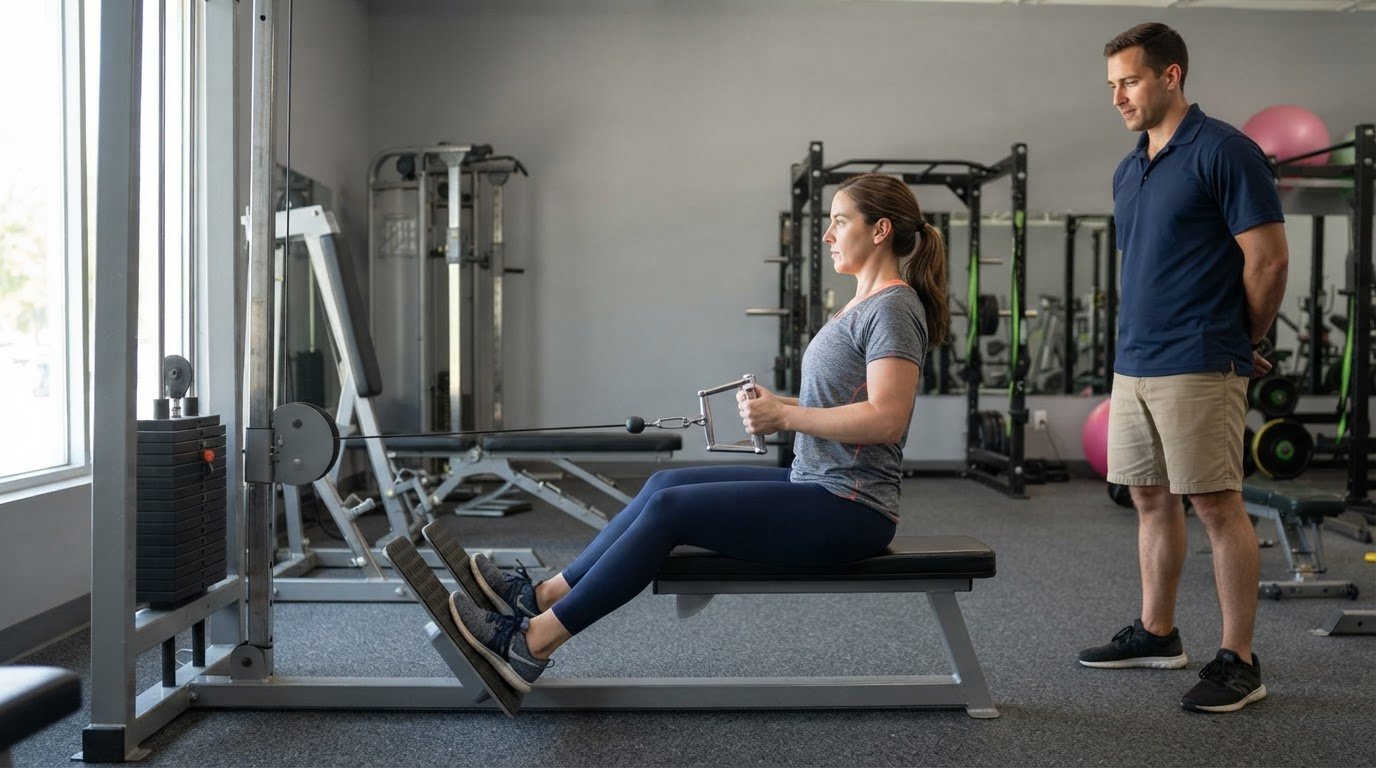
During a movement screen, the professional explains each task and observes how you perform it. You might move through a controlled squat, reach overhead, or balance while stepping. The coach notes how you move and may ask whether a position feels uncomfortable. Your feedback adds context, making the assessment more useful than simply recording a score.
- Alignment: Notice how your body is positioned during a still stance or active movement.
- Mobility: Observe whether a joint moves comfortably through the task’s range.
- Stability: Look at control while holding a position or shifting weight.
- Coordination: Consider how smoothly different parts of the body work together.
A movement finding should lead to a clear training decision. If a deep squat feels difficult, a coach might adjust the depth or offer support. If reaching overhead feels restricted, the routine can begin with a more comfortable range. These are examples, not automatic prescriptions. The aim is to choose movements you can perform with control, then build from that foundation.
As you continue exercising, the same movement can be observed again to see whether your control changes. A useful assessment connects each observation to a practical choice, such as adjusting a position, selecting a suitable exercise, or practicing a movement pattern. Posture and motion then guide training instead of defining your ability.
Progress tracking and accountability
An assessment creates a starting snapshot; follow-up helps show how your program is working. Adults should take the same fitness measurements about six weeks after beginning an exercise program. Repeating the same checks makes comparisons more useful, like using the same ruler to track a growing plant. The aim is to spot meaningful changes and use them to guide your next training decisions.
Choose measures that connect to your goals. For better endurance, compare the same cardio check under similar conditions. For strength, record the exercise, resistance, repetitions, and how controlled each repetition feels. If daily movement is your priority, note a task such as climbing stairs or carrying groceries. A simple record gives you more context than relying on memory.
Keep the comparison fair. Use the same assessment method, equipment, and instructions whenever possible. Note factors that can affect a session, such as a recent change in routine or an unusually tiring day. One result is a data point, not the full story. Looking at several measures together can show whether your fitness is changing in ways that matter to you.
- Record the baseline: Keep the initial measurement and the date it was taken.
- Repeat consistently: Use the same test and follow-up timing, including the six-week check.
- Add context: Note changes in exercise habits, energy, or movement that affect daily life.
- Review the pattern: Discuss what improved, what stayed steady, and what needs adjustment.
Accountability turns those notes into a practical conversation. At a check-in, you and your coach can compare your starting measures with current results, then decide whether the program still fits. If a strength exercise feels more controlled but endurance remains a priority, for example, the next training block can reflect both observations. Progress isn’t limited to the scale or a personal best.
Busy schedules can interrupt a routine. A useful tracking plan accounts for work demands and family commitments instead of treating every missed session as failure. A coach can help identify what made the plan difficult, then adjust the schedule or exercise choices. Small, repeatable actions make accountability supportive and specific.
Keep the process focused. Before each review, identify one change you’ve noticed and one question you want answered. Your coach can connect that feedback to your measurements and training experience. Over time, the record becomes a map of your effort: what you practiced, what changed, and what deserves attention next. That clarity helps you keep building, even when progress feels gradual.
Complimentary fitness assessment
A complimentary fitness assessment should offer useful direction, not pressure to prove yourself. Think of it as a guided conversation with practical checks. The professional learns what you want from exercise, asks about your activity and health background, and chooses appropriate ways to understand your starting point. The result should help you see how training could fit your schedule and needs.
A good assessment feels organized, respectful, and relevant. It isn’t a random sequence of difficult exercises or a test designed to embarrass you. A health and fitness professional assessment generally takes 30-60 minutes. That time can include conversation, selected checks, and an explanation of what the findings suggest. The exact focus depends on your goals and the information you share.
For someone who doesn’t exercise regularly, a simple aerobic fitness check is to measure heart rate after a brisk 10-minute walk. That offers a manageable example of how activity affects your body without requiring an all-out effort. It isn’t the only way to assess cardio fitness. A professional can select a check that suits your current activity level and comfort.
Strength and mobility checks can begin gently. On a first day, testing may use bodyweight movements or light loads instead of maximal-effort lifting. A coach might observe a controlled squat, an easy push movement, or how comfortably you reach overhead. These examples show how you move and respond to exercise without making a heavy lift the measure of your ability.
To make the conversation productive, share the details that shape your routine. Mention your main goal, typical activity, relevant health history, and any movement that feels uncomfortable. You can also explain practical limits, such as a packed workday or family responsibilities. Those details help the professional connect assessment findings to realistic training choices.
- Start with your goal: Explain what you want exercise to help you do.
- Discuss your context: Describe activity habits and health information that may affect movement.
- Follow the selected checks: Use controlled effort and speak up about discomfort.
- Review the meaning: Ask how observations relate to your next training steps.
A useful outcome is clarity: which exercises make sense to start, what the assessment observed, and how progress might be reviewed. You don’t need to arrive already fit. The checks are there to guide the plan, not to judge your worth or effort. If you’re ready to explore a coached starting point, start with a free trial.
TrYumph Fitness: Personal Training
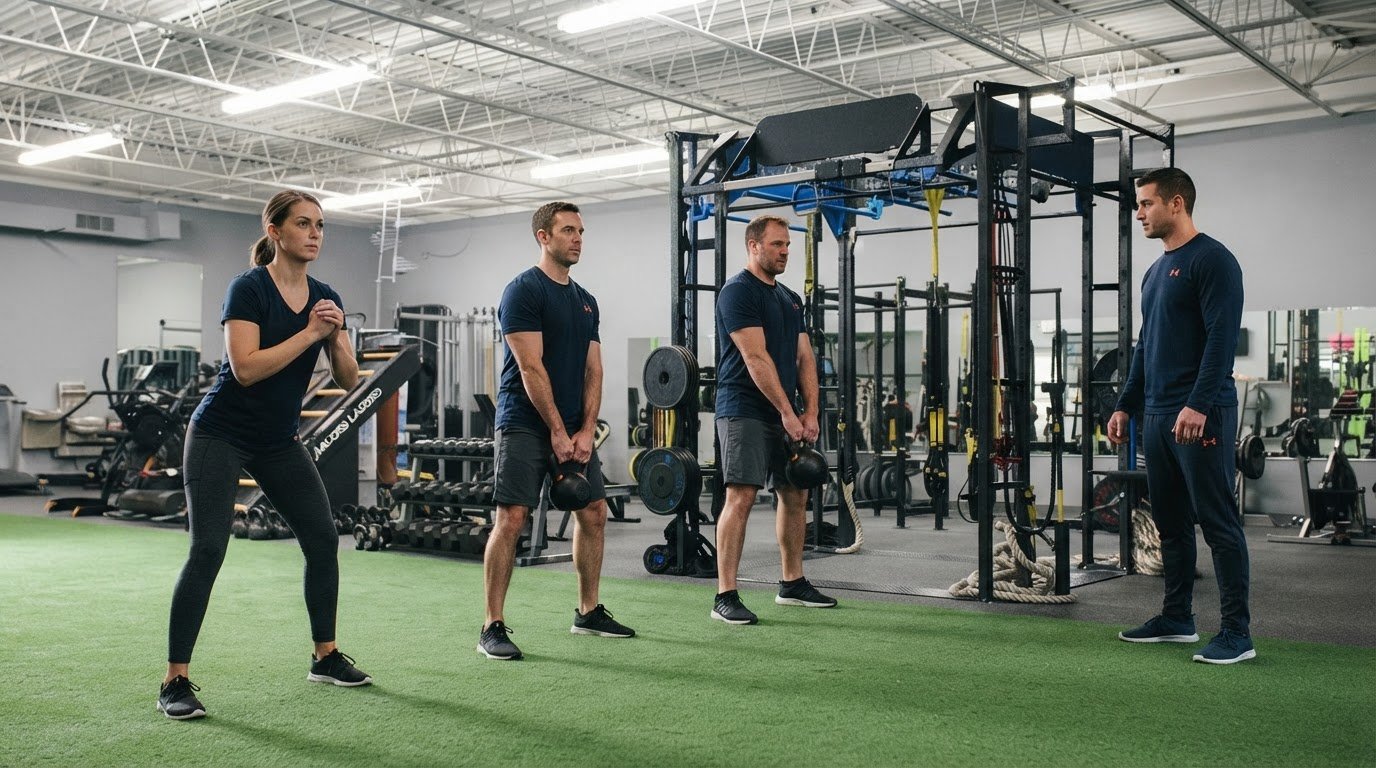
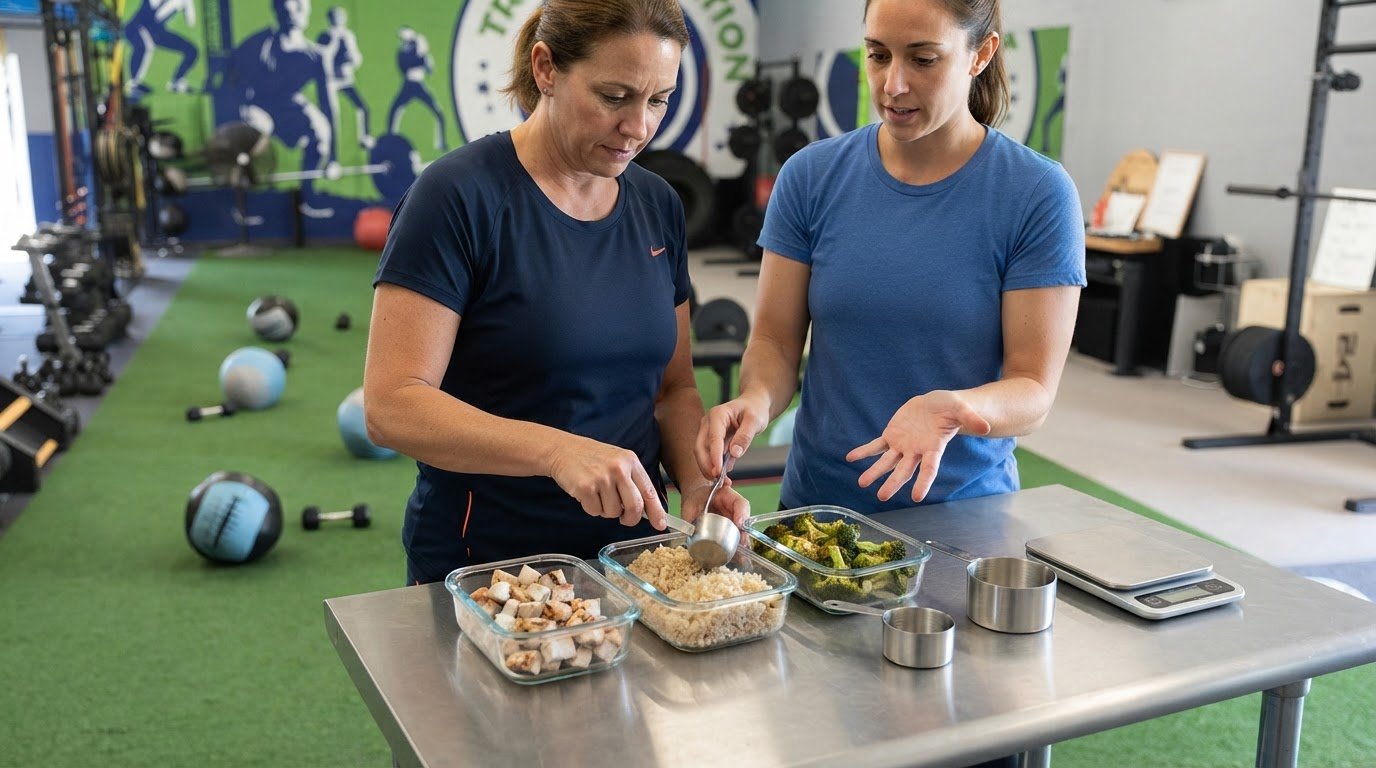
TrYumph Fitness offers Personal Training for people ready to turn assessment insights into a practical exercise routine. A coach can help connect your goals with strength, nutrition, and accountability, so your next steps feel clear and manageable. If you prefer shared encouragement, Small Group Training offers another way to work toward your fitness goals. Nutrition Coaching can also support habits beyond your workouts.
Consider Personal Training if you want guidance applying what you’ve learned about your starting point or find it difficult to stay consistent alone. Your goals and everyday demands can shape the approach. TrYumph Fitness offers a free consultation and trial, onsite or virtual, to help you explore your next step.
Take Your Next Step with Confidence
Your next step is to turn what you learned into one choice you can sustain. A personal fitness assessment in Largo is most useful when it becomes a starting point for action, not another item on a to-do list. Choose the outcome that matters most right now, then build your effort around it. Your routine can adapt as your schedule and priorities change. Progress doesn’t require a perfect week; it needs a direction you can return to.
Families looking for a fitness option for children can consider KidFit. For your own goals, focus on the support that fits your needs and daily life. Choose one manageable next step, make room for it, and adjust as you learn what works for you.
Ready to begin? Contact TrYumph Fitness to get started. Share what you hope to change and explore a next step that feels right. You don’t need to have everything figured out first. Start where you are, and move forward with confidence.
Frequently Asked Questions
Where can I get a personal fitness assessment in Largo, Florida?
TrYumph Fitness serves people in Largo and nearby communities, including Seminole, Clearwater, Pinellas Park, Indian Rocks Beach, and Madeira Beach. You can start with its free consultation or trial to discuss your needs and explore coaching. Submit the consultation form, and TrYumph Fitness will contact you within 2 business days. This gives you a direct way to talk through your goals and possible next steps.
What does a personal fitness assessment include?
A personal fitness assessment typically combines a conversation about your goals and health background with selected fitness or movement checks. The activities depend on what you want to work toward and your starting point. Someone returning to exercise after a long break may need different checks from someone focused on building strength. The useful outcome is a clearer understanding of which training approach suits your circumstances.
How much does a fitness assessment cost in Largo?
The cost depends on the case, including whether the assessment is separate or part of ongoing coaching and what the coaching includes. The amount is provided after a quote request. TrYumph Fitness offers Personal Training and Small Group Training, with coaching focused on strength, health, and nutrition. Describe the support you’re looking for so the quote can reflect the service and scope that fit your needs.
Do gyms in Largo offer free fitness assessments?
TrYumph Fitness offers a free consultation and trial session, with onsite and virtual options. The consultation lets you discuss your goals and the support you’re seeking; the trial gives you a chance to experience coaching. A conversation or trial is different from a session involving fitness measurements, so use the consultation to clarify what your first visit will cover. Submit the form to get started, and you’ll be contacted within two business days.
Which personal trainers in Largo provide fitness assessments?
TrYumph Fitness offers Personal Training for people who want coaching to turn fitness goals into an actionable routine. Small Group Training provides a shared coaching option, with accountability and support as part of the approach. If you’re considering training in Largo, Clearwater, Seminole, Pinellas Park, Indian Rocks Beach, or Madeira Beach, use the free consultation to discuss your priorities, schedule, and exercise history. Submit the form to get started, and TrYumph Fitness will contact you within two business days.
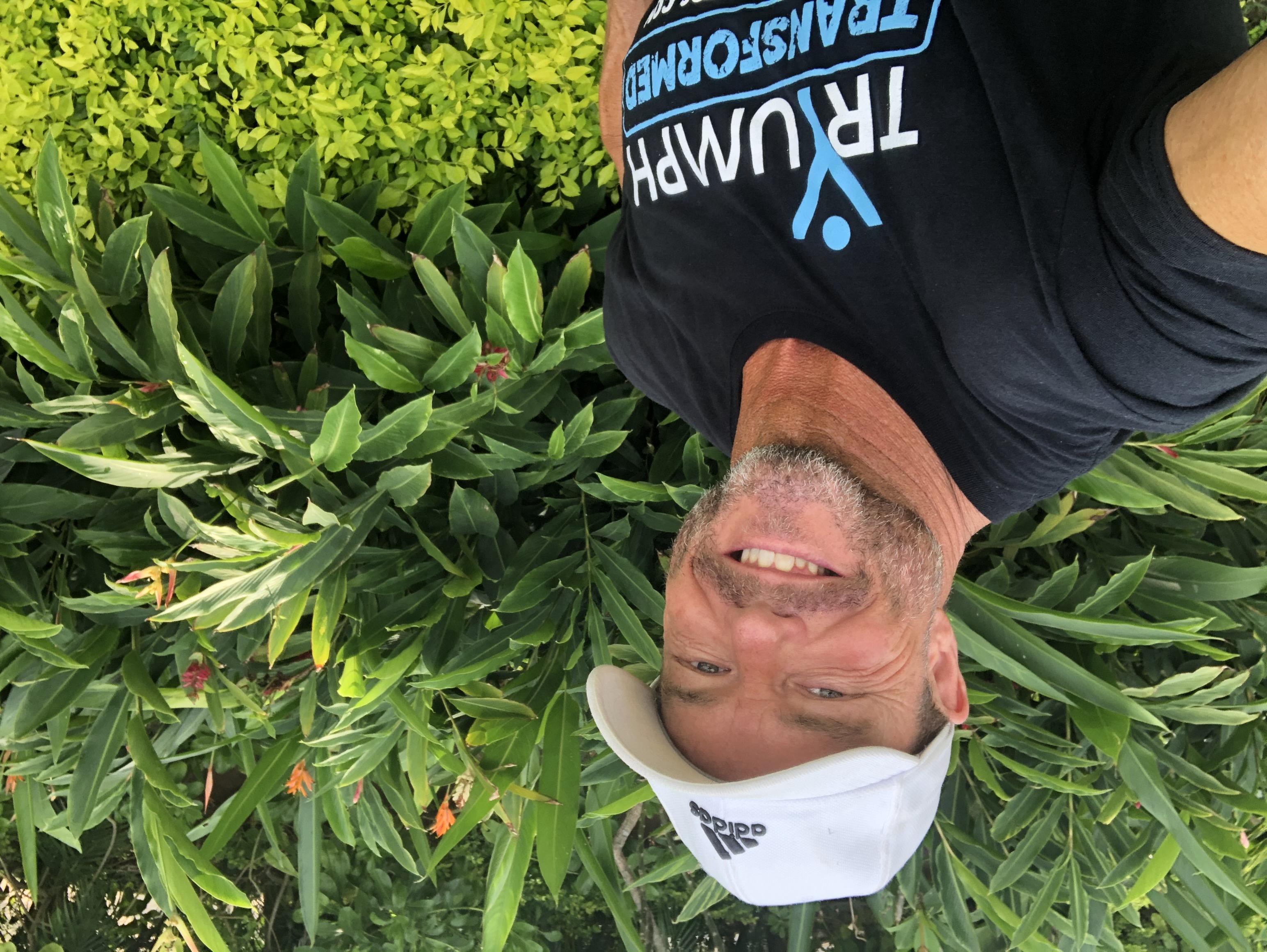
Article by
Coach Matt O'Brien
Coach Matt O'Brien is the founder of TrYumph Functional Training and TrYumph KidFit, where he has helped thousands of adults, children, and families build stronger, healthier, and happier lives through science-based health coaching, personal training, and small group training since 1998. With more than 25 years of coaching experience and over 25,000 hours working one-on-one and in small-group settings, Matt specializes in helping busy adults improve strength, energy, weight loss, nutrition, and long-term health through practical, sustainable lifestyle change.
Matt is a National Board Certified Health & Wellness Coach (NBC-HWC), Certified Strength and Conditioning Specialist (CSCS), Precision Nutrition Level 1 Coach (PN1), and Master Health Coach. His expertise spans strength training, nutrition coaching, healthy habit formation, performance optimization, and healthy aging, helping clients build resilience and enjoy a higher quality of life for years to come. He is also the author of THE MAGIC PILL and FITNESS FUEL (Cookbook) and is passionate about translating complex health and longevity science into simple, actionable strategies that busy people can apply in everyday life.
Through TrYumph KidFit, Matt is equally committed to improving kids fitness, confidence, athletic development, and lifelong healthy habits by creating fun, encouraging environments where children can thrive physically, mentally, and socially.
Matt's coaching philosophy is built on simple beliefs: movement is medicine, consistency beats perfection, and sustainable habits create extraordinary results. His mission is to help people live longer, healthier, happier lives through coaching, community, and caring.
When he's not coaching at TrYumph, Matt enjoys spending time with his wife and two sons, continuing his education in health and longevity science, and creating educational content that empowers people to take control of their health.