You don't have to strength train to lose weight in your 40s. For a woman losing weight in her 40s in Seminole, food choices and overall calorie intake matter, while strength training can help preserve muscle as the body changes. It’s a useful tool, not the only one.
If your old approach isn’t working, you’re not alone in feeling frustrated. Calorie needs, daily movement, sleep, and perimenopause can all affect what feels manageable and supports progress. A plan that fits your real life is more useful than another set of rules you can’t keep up with.
Here, you’ll learn how to think about meals, calorie needs, and everyday activity, and why menopause can affect weight and fat distribution. You’ll also see how personalized nutrition guidance can help you find practical food choices and whether strength training makes sense for your goals.
Key Takeaways
- A steady approach to food choices can be more useful than cutting out entire food groups.
- The CDC describes losing 1-2 pounds a week as a sustainable weight-loss target.
- Calorie needs can change with age, activity, and muscle; extreme restriction isn’t the only path forward.
- According to the U.S. Department of Health and Human Services, adults should get 150-300 minutes of moderate aerobic exercise each week. Strength training can support muscle, but it isn’t the only way to pursue weight loss.
- Personalized nutrition guidance can help you shape habits around your schedule, preferences, and changing needs.
Alcohol, added sugar, and refined carbohydrates
Small food and drink choices can shape daily calorie intake without requiring a rigid eating plan. In Seminole, start by noticing where sweet drinks, desserts, refined grains, and alcohol fit into your usual routine.
Added Sugar and Refined Carbohydrates
Added sugars are sweeteners put into foods or drinks, while refined carbohydrates include foods such as white bread and pastries. Candy, cookies, and ice cream are worth reducing, not treating as forbidden foods. Swap a sweetened drink for water, or choose whole-grain bread instead of white bread. These changes can reduce calories while keeping meals familiar and workable.
Blood Sugar and Insulin Resistance
Insulin helps move glucose from the blood into cells, while insulin resistance means cells respond less effectively to insulin. Blood sugar can then be harder to regulate. Sweet drinks and refined snacks can be easy to consume quickly, sometimes without feeling satisfied. Pairing a smaller portion of refined carbohydrates with protein-rich food, such as eggs, can make a meal more filling and support muscle mass.
Added sugar, saturated fat, and sodium all deserve a place in your food choices. Keep added sugars below 10% of daily calories, and saturated fat below 10% of daily calories. For sodium, aim for no more than 2,300 milligrams per day. Check nutrition labels on packaged soups, sauces, breads, and snacks. Comparing two similar products can reveal a lower-sodium or lower-sugar option without changing your whole meal.
Build a simple swap into your routine. Replace soda or sweet tea with water or another zero-calorie beverage. Trade a frosted pastry for fruit with plain yogurt, or choose oatmeal instead of sugary breakfast cereal. These choices can help reduce added sugar while making your meal more satisfying. A practical benefit is consistency: a change you can repeat on busy mornings is easier to maintain than a complicated food rule.
Alcohol can add calories without easing hunger. A glass of beer or wine contains about 150 calories, and women should have no more than one drink per day. If you drink, notice how often it accompanies dinner, social plans, or stress. Try sparkling water with citrus on some occasions, or alternate it with an alcoholic drink. The aim is to make the choice deliberate, rather than automatic.
Weight loss does not require chasing the fastest weekly drop. The Centers for Disease Control and Prevention describes losing 1-2 pounds a week as a sustainable weight-loss target. The Centers for Disease Control and Prevention suggests a long-term weight-loss goal of 5-10% of a person's current body weight. Those targets can help keep food changes focused on steady progress instead of extreme restriction. Choose one adjustment, such as replacing a daily sweetened drink, and observe how it fits your routine.
Calorie needs and metabolism with age
Calorie needs reflect more than age: body size, daily movement, and muscle all play a part. For weight after 40, changes in those factors can shift how much energy your body uses.
Age-Related Metabolic Changes
Metabolism is the process your body uses to turn food into energy, and its needs can change as activity and muscle change. Adults lose approximately 3-8% of muscle mass per decade after age 30. Since muscle uses energy, preserving it can support your daily energy needs. A desk-based workday may also use less energy than a routine with regular walking.
There isn’t one calorie target that fits every woman in her 40s. A person’s needs depend on body size, usual movement, and changes in muscle. Adults may need a few hundred fewer calories as they get older because they tend to be less active. Compare your usual routine with your current one: a change from an active job to desk work can affect energy needs even without a major change in age.
Metabolism and Blood Sugar
Blood sugar is glucose circulating in the bloodstream, and insulin helps the body use it for energy. After 40, women’s estrogen levels drop and insulin levels rise. These changes can influence how the body manages energy. If you notice weight changes alongside shifts in appetite or energy, consider the pattern over time rather than judging one meal or one day.
Hormonal Changes and Metabolism
Hormones act like messengers, coordinating processes that affect appetite, energy, and body composition. Changes in estrogen during the 40s can occur alongside changes in insulin and muscle. That combination may make familiar routines feel different. Track practical details such as meal timing, daily movement, and how clothing fits. A few weeks of notes can help reveal patterns without making one weigh-in the whole story.
Exercise, Sleep, and Metabolism
Exercise supports health and can help maintain weight loss, even when activity alone doesn’t lead to the desired weight. Strength training can help preserve muscle when done at least twice a week. Sleep matters too: for most adults, 7-9 hours of good-quality sleep is the recommended range. A poor night’s sleep can affect blood sugar responses the next day, and blood sugar spikes are linked to increased hunger.
Make the routine realistic. Add a walk after lunch, take the stairs, or schedule strength work around an existing commitment. Protecting a consistent bedtime can also support your sleep routine. If a structured fitness routine would help you make movement more consistent, explore a guided fitness option that fits your schedule.
Daily activity and nonexercise movement
Planned workouts are only one part of an active day. Walking between errands, taking the stairs, and doing household tasks also add movement to a busy routine. These small choices can help you increase activity without reserving every bit of movement for a workout session.
The U.S. Department of Health and Human Services recommends that adults get 150-300 minutes per week of moderate aerobic exercise. Brisk walking is one example: you can fit it around a workday by walking during a lunch break or taking a longer route to a nearby errand. The key is to choose activities you can repeat and enjoy, rather than making every session feel like another demanding appointment.
Nonexercise movement is activity woven into everyday tasks rather than a planned workout. Taking a short walk while making a phone call, carrying groceries, or standing to stretch between work tasks are all ways to move more. These actions won’t replace purposeful exercise, but they can reduce long stretches of sitting. Pick a cue you already encounter, such as finishing lunch, and attach a short walk to it.
Try this practical check during a typical weekday: notice when you sit for long periods, then choose a movement break that fits. For example, walk to refill your water, take the stairs when practical, or park farther from a store entrance. If parenting or work limits your schedule, a family walk or active play can add movement to time you already spend together. Keep your choice realistic enough to repeat.
Eating habits and activity work together, but a workout shouldn’t become a reason to skip meals or eat without noticing hunger. Before and after a walk, keep your normal meal rhythm and notice whether you feel hungry, comfortably satisfied, or unusually tired. A simple note on your phone can record the activity, meal timing, and how you felt afterward. That record can show which routine feels sustainable without turning every meal into a calculation.
Menopause can bring body changes that make muscle-preserving movement especially relevant. Age-related muscle loss is gradual, so an active routine can include both aerobic activity and resistance exercises. Walking supports cardiovascular activity; carrying groceries or doing body-weight movements engages muscles differently. Start with movements that suit your current ability, then build consistency before increasing intensity. Different forms of activity serve different purposes, and everyday movement helps make an active lifestyle possible.
Rather than judging progress by one workout, look at the pattern across a normal week. Can you add a walk after dinner, move during a work break, or take the stairs on a regular errand? Choose a manageable change and repeat it. That steady approach makes activity part of your day, not another task competing with work, family, and meals.
Perimenopause, menopause, and body-fat distribution
Perimenopause often begins in a woman’s 40s, and body composition may shift during this transition. Understanding those changes can help you choose realistic weight-loss strategies.
Body Composition During Perimenopause and Menopause
Body composition describes how much of your body is fat and muscle, and where fat is stored. During perimenopause and menopause, hormonal changes can accompany shifts in muscle and fat distribution. You might notice a different fit around your waist, even when your routines seem familiar. Track changes over time rather than judging progress from one day or measurement.
Estrogen and Menopause-Related Weight Gain
Estrogen levels decline during menopause, and that change can contribute to increased body fat, especially around the abdomen. Weight gain also reflects factors such as activity, eating patterns, sleep, and muscle changes. Menopause can make weight loss feel harder, but it doesn’t make progress impossible. Focus on repeatable habits, including regular movement and meals that suit your daily routine.
Which medical conditions or medications can make weight loss difficult in midlife women? Thyroid problems and hormone imbalances can affect weight, while some medications may influence appetite or body weight. A clinician can review your health history and medication list to identify factors that may be affecting your progress.
When should a woman in her 40s talk to a doctor about weight gain or weight loss? Make an appointment for unexplained or rapid weight gain, persistent difficulty losing weight, or changes that come with new symptoms. Discuss your goals before starting a medication or a highly restrictive eating plan.
Does insurance cover weight-loss counseling or medications in Florida? Coverage depends on your insurance plan, the treatment, and the reason it’s prescribed. Review benefits for counseling, medication coverage, exclusions, and out-of-pocket costs before beginning treatment.
What are the benefits, risks, and costs of GLP-1 weight-loss medications for women in their 40s? Semaglutide users in clinical trials typically lost around 15% of body weight over 16 months when using the medication with lifestyle changes; participants in some studies lost over 20% with tirzepatide at the maximum dosage. Those study results aren’t a personal forecast. These medications can support weight loss, but potential side effects, health history, and other medicines matter. Costs depend on the specific medication and insurance coverage, so discuss benefits and risks with a clinician before deciding.
Menopause is one part of the picture, not the whole story. If weight gain is affecting your wellbeing, note changes in symptoms, medication, sleep, and everyday habits. That information gives a clinician a clearer starting point for discussing health, disease risks, and a realistic plan to lose weight.
Personalized nutrition guidance
Personalized nutrition connects food choices with your schedule, preferences, health needs, and activity. For a woman losing weight in her 40s in Seminole, the most useful plan is one that fits ordinary workdays, family routines, and changing needs, not just ideal days.
What diet and exercise plan helps women over 40 lose weight while preserving muscle? Build meals around protein-rich foods, vegetables, fruit, and whole grains, then include regular movement and strength work. The right mix depends on your needs, routine, and health history.
Protein is one practical place to personalize. During weight management, a suggested daily range is 1.2-1.6 grams per kilogram of body weight. Eggs at breakfast, salmon at dinner, or low-fat dairy as a snack can help distribute protein across meals. Think of protein as building material: meals need enough to support the muscle you want to preserve. A woman in Seminole losing weight in her 40s can use familiar foods rather than relying on complicated recipes.
Fiber matters, too. Women over 40 should aim for 25 grams per day. Beans, berries, vegetables, and whole grains are useful choices to rotate through the week. If lunch is usually a sandwich, add vegetables or choose whole-grain bread. For a busy evening, frozen vegetables, canned beans, and brown rice can make a practical meal without a lengthy preparation routine.
Use your plate as a flexible guide. Fill half with produce, then add a protein source and a grain or other satisfying food. A varied eating pattern gives you options, while reducing ultra-processed foods can make meals more nourishing. Keep a few dependable ingredients available so a packed schedule doesn’t leave you without a workable meal.
Personalization also accounts for diabetes, obesity, food preferences, medication, and health conditions. A medical provider can tailor nutrition to your needs and review possible underlying conditions or hormone imbalances. Keep a short record of meals, hunger, energy, and activity. It may reveal practical patterns, such as whether a rushed lunch leaves you hungry later or which breakfast helps you stay focused through the morning.
Choose habits that hold up during a demanding week. Plan a protein-rich breakfast, prepare a simple lunch, or add vegetables to dinner. Adjust one habit at a time, then notice how it affects hunger, energy, and consistency. That approach can make nutrition a routine you can keep, rather than another short-lived reset.
If you’d like support connecting nutrition goals with movement, explore a fitness starting point that helps you take your next step.
TrYumph Fitness: Personal Training
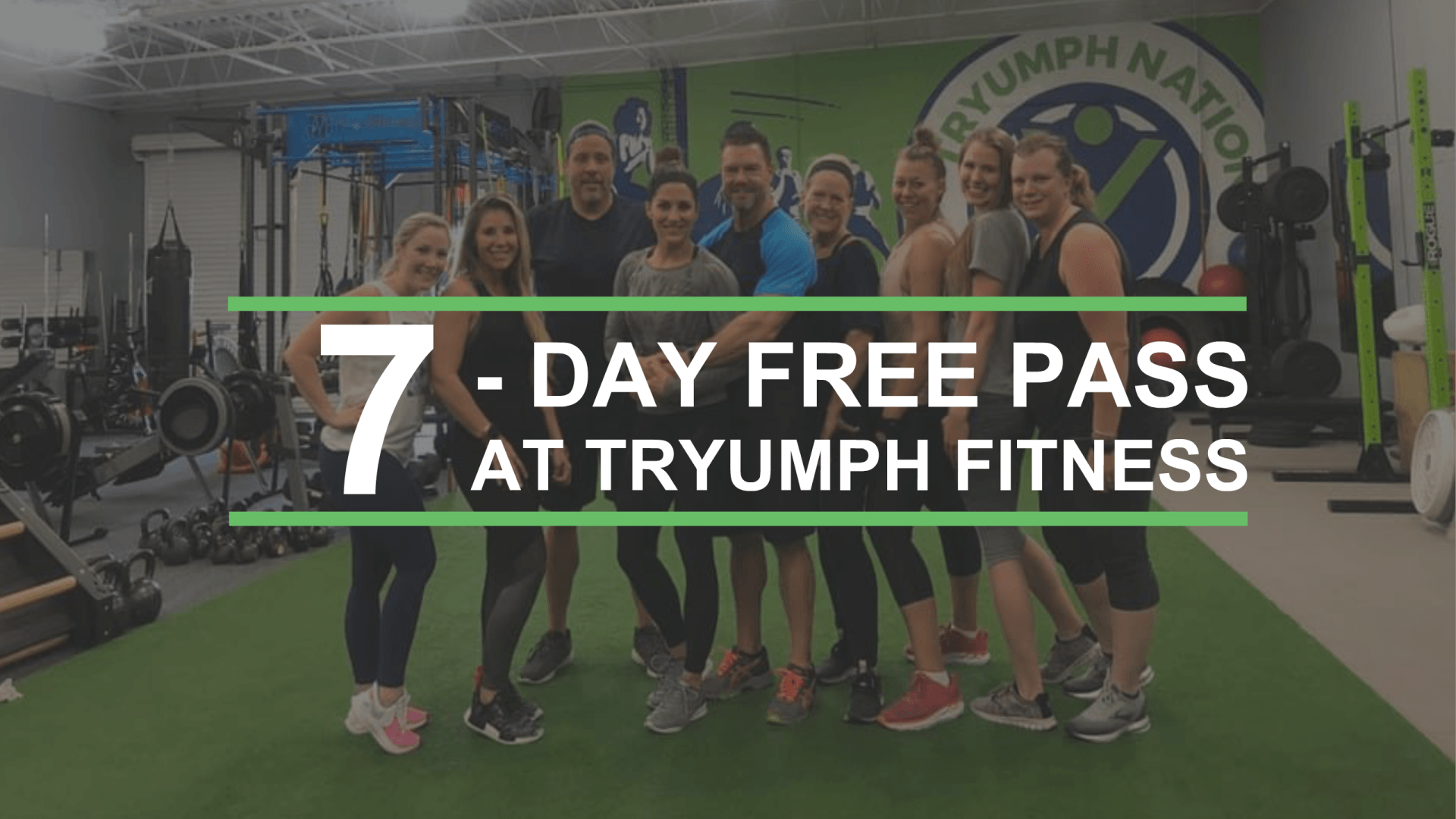
TrYumph Fitness offers Personal Training and nutrition coaching for women who want practical support with movement and food habits. If you understand the basics but struggle to fit them into busy workdays, family routines, or changing needs, coaching can help turn your goals into a workable plan.
Personal Training gives you structured support with exercise, while nutrition coaching can help you build food habits around your preferences and lifestyle. You can focus on one area or combine both in your weight-loss efforts. The goal is steady, realistic action, not another set of rules that feels impossible to maintain.
Ready to explore support that fits your next step? Contact TrYumph Fitness to learn more.
Make Your Next Step Work for You
Your next step doesn’t need to be a total reset. Choose one change that feels doable alongside your work, family, and other commitments, then build from there. For women losing weight in their 40s in Seminole, progress can begin with a routine that feels supportive enough to continue, even when the week gets busy.
TrYumph Fitness offers Personal Training, Small Group Training, and KidFit. These options provide different ways to engage with fitness, depending on what fits your needs and routine. Explore a starting point that feels right for your goals.
Explore your next step with TrYumph Fitness, and keep moving forward at your own pace. You’re building more than a routine. You’re making space for strength, confidence, and lasting change.
Frequently Asked Questions
Is strength training necessary for weight loss after 40?
No. Strength training isn’t required for weight loss, but it can help maintain muscle while you change your eating habits. If weights don’t appeal, try resistance bands, chair squats, or carrying groceries with control. Walking, dancing, and cycling can also support an active routine. Choose movement you can repeat, then add strength exercises if preserving muscle is a priority for you.
Can I get rid of belly fat after menopause?
You can reduce overall body fat, but you can’t choose where your body loses it first. Menopause can change fat distribution, so progress may show in energy, clothing fit, or waist measurements before the scale shifts much. Focus on repeatable meals, daily movement, and strength work rather than abdominal exercises alone. Crunches strengthen abdominal muscles, but they don’t selectively remove fat from your midsection.
Do hormones cause weight gain in your 40s?
Hormonal changes can contribute to weight gain, but they aren’t the only influence. Perimenopause may coincide with changes in sleep, appetite, stress, activity, and muscle, all of which can affect daily habits. Look for patterns instead of blaming one hormone: note when hunger changes, how you’re sleeping, and whether your usual movement has dropped. That can help you choose a practical adjustment.
How much weight can you lose after 40?
There isn’t one total that applies to everyone. Your starting weight, food intake, activity, health, and consistency shape the outcome. Instead of setting a deadline for a specific number of pounds, choose a steady routine and track changes over time. A weekly note of meals, movement, and progress can show whether your approach is workable and where a small adjustment may help.
What type of exercise is best after 40?
The best routine combines activities you enjoy with movement that challenges your muscles. For example, pair brisk walks or cycling with resistance bands, body-weight exercises, or light weights. A beginner can start with movements such as wall push-ups and sit-to-stands, then build familiarity. Variety helps address different fitness goals, while enjoyable activities make it easier to keep showing up.
Why is losing weight so hard after 40?
Weight loss can feel harder when your routine, sleep, muscle, or appetite changes but your old habits stay the same. A busy week may also leave less time for meal planning and movement. Rather than cutting meals drastically, identify one sticking point. If late meetings lead to takeout, prepare a simple backup dinner. If sitting fills the workday, schedule a short walk between tasks.
Why is weight management harder in your 40s?
Maintaining weight involves more than losing pounds; it means matching everyday habits to changing demands. Work, caregiving, disrupted sleep, and less incidental movement can make routines harder to sustain. Build a simple fallback plan for hectic days, such as a familiar balanced lunch and a short walk. Keeping dependable options reduces decision fatigue and helps prevent one demanding day from disrupting the week.
Why is losing weight harder for women in their 40s?
Women may experience perimenopause alongside changes in sleep, appetite, muscle, and where body fat is stored. Those shifts can make an old routine feel less effective, even when you’re making an effort. Try recording meals, movement, sleep, and symptoms for a short stretch. Bring those observations to a clinician if weight changes come with new or troubling symptoms, so health factors can be discussed.

Article by
Coach Matt O'Brien
Coach Matt O'Brien is the founder of TrYumph Functional Training and TrYumph KidFit, where he has helped thousands of adults, children, and families build stronger, healthier, and happier lives through science-based health coaching, personal training, and small group training since 1998. With more than 25 years of coaching experience and over 25,000 hours working one-on-one and in small-group settings, Matt specializes in helping busy adults improve strength, energy, weight loss, nutrition, and long-term health through practical, sustainable lifestyle change.
Matt is a National Board Certified Health & Wellness Coach (NBC-HWC), Certified Strength and Conditioning Specialist (CSCS), Precision Nutrition Level 1 Coach (PN1), and Master Health Coach. His expertise spans strength training, nutrition coaching, healthy habit formation, performance optimization, and healthy aging, helping clients build resilience and enjoy a higher quality of life for years to come. He is also the author of THE MAGIC PILL and FITNESS FUEL (Cookbook) and is passionate about translating complex health and longevity science into simple, actionable strategies that busy people can apply in everyday life.
Through TrYumph KidFit, Matt is equally committed to improving kids fitness, confidence, athletic development, and lifelong healthy habits by creating fun, encouraging environments where children can thrive physically, mentally, and socially.
Matt's coaching philosophy is built on simple beliefs: movement is medicine, consistency beats perfection, and sustainable habits create extraordinary results. His mission is to help people live longer, healthier, happier lives through coaching, community, and caring.
When he's not coaching at TrYumph, Matt enjoys spending time with his wife and two sons, continuing his education in health and longevity science, and creating educational content that empowers people to take control of their health.