Choosing between a personal training studio vs gym isn’t simply about having more equipment. A traditional gym generally offers space and equipment for independent workouts, while a personal training studio centers on coaching and guided sessions. The better fit depends on what helps you keep showing up.
Both options can support a stronger, healthier routine. But when you’re balancing work, family, and a packed calendar, the experience matters: open workout time offers flexibility, while coached sessions bring structure and support. Neither is automatically right for everyone.
This guide compares studios and gyms on cost, coaching, accountability, and workout options. You’ll learn how to weigh flexibility against support, match a setting to your goals, and choose a format that fits your real life.
Key Takeaways
- Choose a gym if independent workouts and a broad range of equipment fit your routine.
- Consider a training studio if scheduled sessions or closer coaching would help you stay consistent.
- Compare the full cost structure, including membership access, classes, and personalized instruction.
- Match the setting to your preferred workouts, schedule, and level of support.
- Use the decision guide to identify which option best fits your goals and everyday life.
What’s the Difference Between a Gym and a Fitness Studio?
A traditional gym generally gives members access to varied equipment for independent workouts. A personal training studio typically focuses on scheduled coaching or instruction in a more focused training environment.
Studio Privacy and Equipment Access
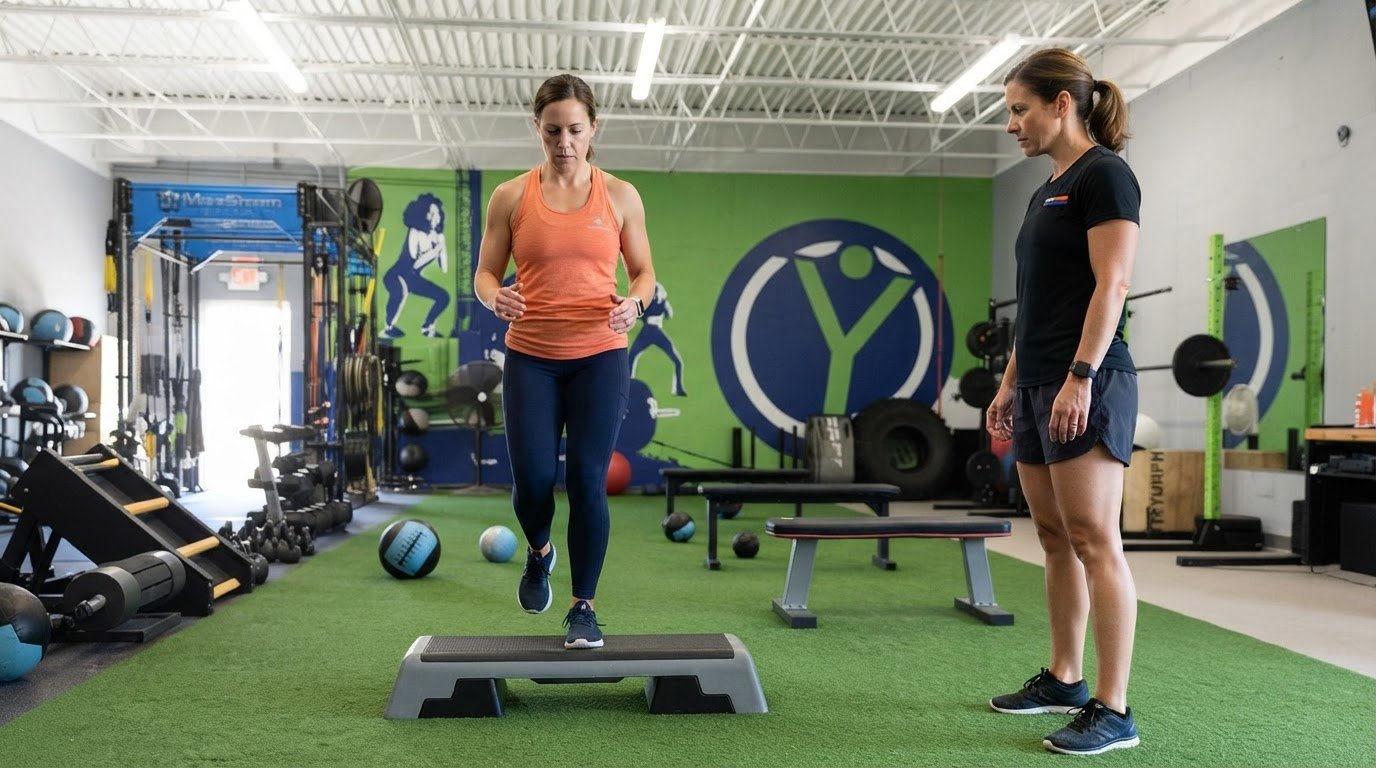
A studio often feels more personal than a large gym, with one-on-one or small-group instruction in a focused setting. Its equipment is usually selected for the types of sessions it offers rather than every possible workout style. A gym generally provides broader equipment access, while a studio’s sessions center on its coaching format.
Coached Training and Expert Instruction
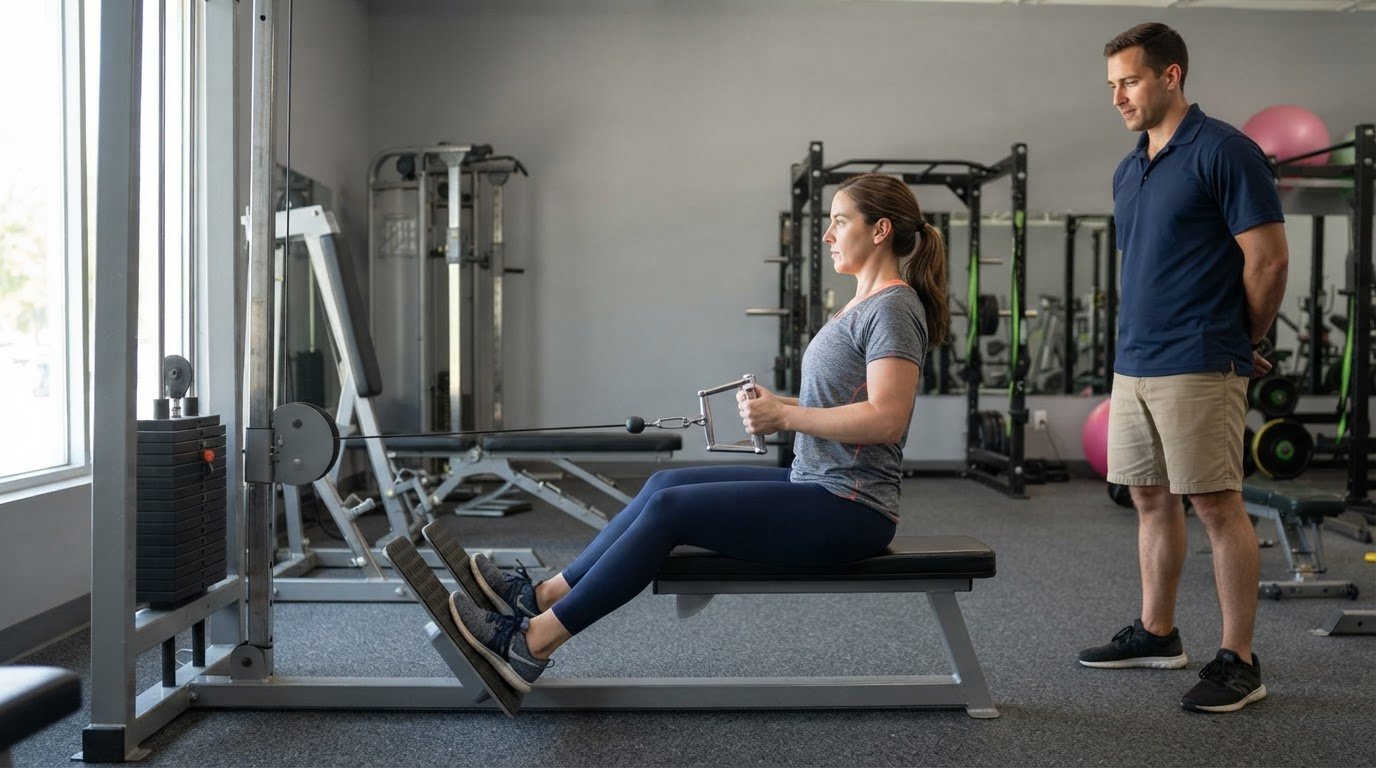
Personal training pairs exercise with direct instruction, while traditional gym access lets you plan and complete workouts independently. A coach can demonstrate how to use equipment, guide technique, and adjust progression as you build skill. The National Strength and Conditioning Association highlights proper technique and progression in coached training as ways to reduce injury risk.
Think about a workout that combines a treadmill warm-up, machine exercises, and free weights. A public gym commonly offers cardio machines, weight machines, free weights, and auxiliary equipment for that mix. You can move between areas and choose your own pace. The trade-off is that planning the sequence, selecting equipment, and deciding how to progress generally falls to you.
A personal training studio offers a different kind of access. Sessions are organized around coaching and a planned workout, rather than a wide range of equipment for open-ended training. That focus can make it easier to follow a session, though it may offer fewer options for independent workouts than a general-purpose gym.
| Option | Setting | Equipment access | Support |
|---|---|---|---|
| Public gym | Larger, shared facility | Broad selection for independent workouts | Self-directed, with classes sometimes available |
| Fitness studio | Smaller, focused environment | Equipment suited to its activities | Scheduled instruction or coaching |
| Personal training | Coach-led session | Selected for the workout | Individual guidance and technique support |
A traditional gym membership generally provides access to its facility and equipment, so you can choose when and how to train within its access arrangements. A studio session is more likely to follow a scheduled coaching format. For a busy workday, that difference matters: independent access offers flexibility, while a scheduled session gives your workout a set place in your calendar.
Choose by matching the setting to your next step. If you already know how to build a routine and want equipment variety, a gym supports independent training. If you want instruction to shape the session, a coached studio format may fit better. Compare the equipment you’ll use, the amount of guidance you want, and whether open access or a scheduled workout suits your week.
What Is a Personal Training Studio?
A personal training studio is a focused space for guided workouts, often in a smaller setting. To find reputable studios and gyms nearby, compare local listings, training formats, and trainer qualifications.
Training Environment for Consistency
The best setting is one that fits your routine, preferred support, and training goals. A studio may occupy several hundred to a few thousand square feet, with space and equipment selected for its training focus. A general-purpose gym usually offers a broader setting for independent exercise. Choose the format that makes your planned workout manageable after work or between family commitments.
Use an ordinary weekday as your test, rather than picturing an ideal schedule. If you want a coach to guide each session, look for personal training. If you prefer choosing your own exercises, independent gym access may fit better. For strength training, consider whether you want help planning movements or already have a routine to follow.
- Match the training format to the support you want.
- Look for a schedule that fits work and family routines.
- Consider whether the equipment suits your preferred workouts.
Trainer qualifications offer another comparison point. Look for certification from an accredited fitness organization; a degree in kinesiology, exercise science, or a related field can also be a plus. These credentials can inform your assessment of instruction, while the session format shows how coaching fits into your workout.
Convenient Training Locations
Convenience means more than distance on a map. In Largo, Seminole, Clearwater, Pinellas Park, Indian Rocks Beach, or Madeira Beach, consider whether a training option fits your route between home and work. A location that suits your daily routine can be more practical than features you rarely use.
Before choosing, map the trip at the time you expect to train. Compare the route from work, home, or a regular school pickup, then consider the session schedule. Independent gym visits may offer more flexibility, while a personal training studio may follow scheduled coaching. Choose the location and format you can realistically return to during a busy week.
To narrow your options, write down your goal, preferred workout style, and realistic travel route. Compare those factors with the setting and coaching format. If experiencing guided training would help you decide, try a training session and see whether its structure suits your routine.
Cost comparison between private studios and public gyms
Traditional gyms and personal training studios use different payment models. Memberships commonly cover facility access, while studios may charge for classes, packages, or personalized instruction. When comparing a personal training studio vs gym, look at what each payment includes and how it fits your actual training plan.
Personal training is typically separate from a gym membership, so it may cost extra. For personalized training, the price depends on the format, session frequency, and goals, and is provided after a quote request. Compare the service you’ll use, not simply the membership fee against a coached session.
For example, if you train independently and use a facility’s equipment often, a membership may match your routine. If you want a coach to plan and guide your workouts, include instruction in the comparison. The personal training studio vs gym decision is about the support you’ll use as well as the payment structure. A lower-cost option can be poor value if it doesn’t meet your needs.
Before moving from a traditional gym to personal training, review your current habits. Note which workouts you complete, which equipment you rely on, and where you want more guidance. If you enjoy independent cardio and strength sessions, broad facility access may suit you. If you want help organizing training, coached sessions may be a better fit.
Personal training may suit people who want guidance, structure, or a focused setting. It can also help busy professionals who find it easier to follow a prepared session than design each workout. Consider whether coaching would address a real obstacle, such as uncertainty about exercise choices or difficulty making time to train.
Personalized classes and one-on-one training differ in how instruction is shared. One-on-one coaching centers on an individual’s goals and workout. A class follows a planned group format, with the coach guiding participants together. Compare the kind of attention you want with how you prefer to train.
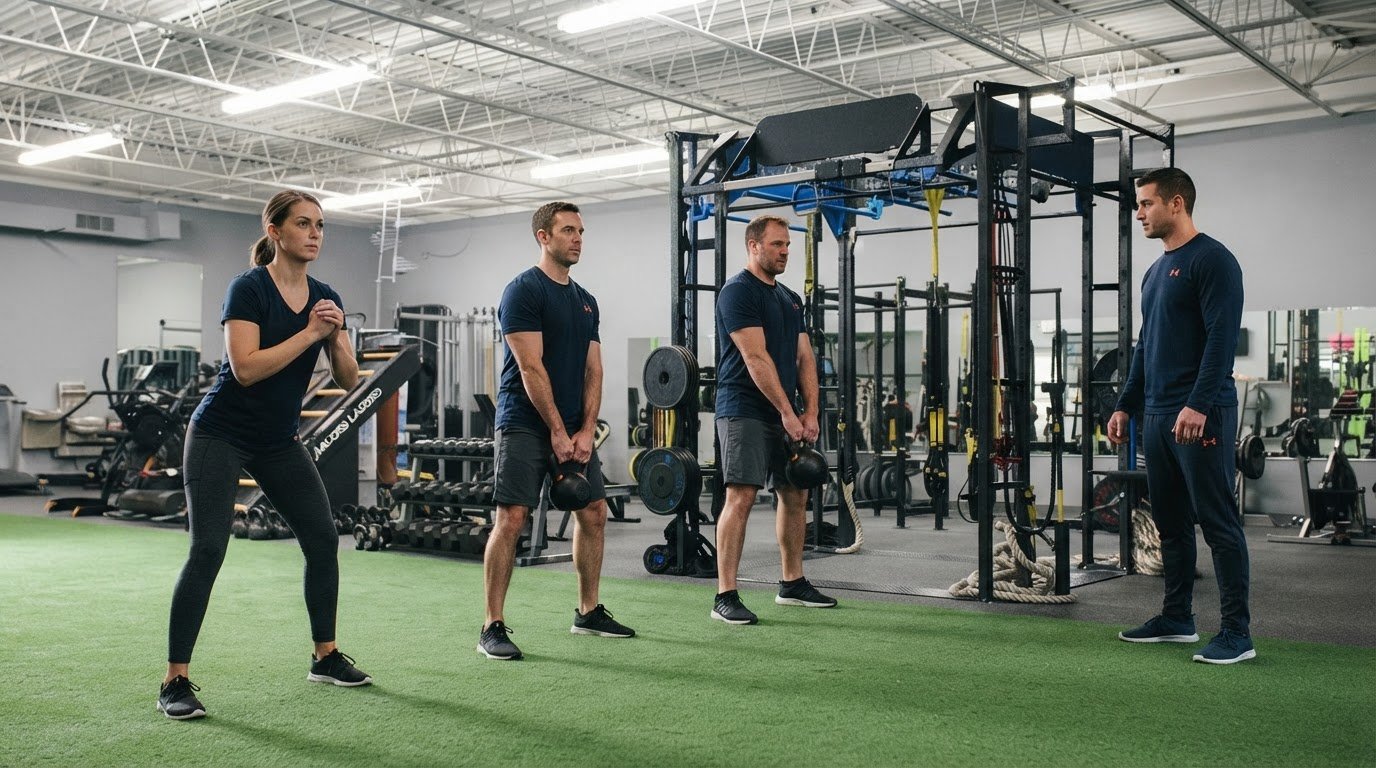
Semi-private training offers another format: a coach guides a small group through a shared workout. It can suit people who enjoy training with others but still want instruction. Compare the group setting, coaching, and overall commitment with independent gym access before deciding which better matches your needs.
Use these steps to make a practical comparison:
- List the facility access or training sessions you expect to use.
- Separate independent workouts from coached instruction.
- Compare one-on-one, class-based, and semi-private formats.
- Choose the support level that fits your goals and routine.
Accountability and attendance consistency
A gym gives you room to train independently, but the plan and follow-through are yours. IHRSA fitness industry data reports that the average gym member attends fewer than two times per week. That figure isn’t a prediction about your routine. It highlights why access alone may not create a dependable habit: work, family plans, and an unclear workout can all compete with gym time.
A personal training studio can add structure through scheduled coaching. A session already placed in your calendar gives your workout a defined time and format. A coach can guide the session and help you focus on the exercises planned for that day. For a parent juggling school pickup or a professional with a packed workday, that structure can make training easier to plan.
Supervised exercise can support adherence, safe technique, and long-term results, according to the American College of Sports Medicine. Think of coaching as a map: it helps you follow a route, while independent gym access leaves the route up to you. A coach also guides technique and progression, so you’re not left guessing how to adjust an exercise as you gain experience.
Choose the format that addresses your real attendance barrier. If your schedule changes often, independent gym access may give you more freedom to choose when to work out. If you tend to postpone sessions without an appointment, scheduled coaching can add structure. Neither format removes everyday conflicts; the difference is whether you prefer flexibility or a planned session.
- Identify the barrier. Name what usually interrupts exercise, such as a changing workday or uncertainty about the workout.
- Match the structure. Choose independent access for flexible timing, or scheduled coaching for a set session.
- Plan the week. Put realistic workout times alongside work and family commitments.
- Track attendance. Record completed sessions and notice which format fits your actual routine.
Progress tracking can make attendance more tangible. For example, note each workout, exercises completed, and strength milestones. A trainer may also monitor workout frequency, cardio endurance, energy, mobility, and body measurements. These markers show more than a streak on a calendar; they help connect consistent effort with changes you can observe over time.
Use a practical test before deciding: picture a busy week, then ask which option makes your next workout easiest to start. If you’ll use flexible equipment access, a traditional gym may fit. If guidance and scheduled sessions are what you’re missing, personal training may better support your routine. Choose what works on an ordinary Tuesday, not only during an ideal week.
General-purpose gyms versus specialized fitness studios
A general-purpose gym is designed for varied workouts, from cardio machines to free weights. A specialized studio organizes its space and sessions around a particular practice, such as yoga, Pilates, martial arts, or CrossFit. Your choice depends on whether you want variety or a deeper focus on one training style.
Think about the workouts you actually enjoy. If your week might include a treadmill session, strength exercises, and a group class, a general gym can offer room to switch activities. If you’re drawn to Pilates or martial arts, a studio focused on that practice can center your training around its methods and instruction. The key is choosing a format you’ll use, not simply the one with the longest equipment list.
Equipment needs follow the same distinction. General-purpose gyms typically stock weight machines, free weights, cardio machines, and auxiliary equipment from strength brands like EvoGear. Specialized studios may select equipment for their discipline instead. For example, a Pilates studio’s setup supports Pilates sessions; it isn’t meant to replace a full gym’s range of machines. Match the available tools to the activities you plan to do.
Classes and coaching can offer different kinds of instruction. A gym may offer classes alongside independent access, while personal training centers on a coach-led workout. If you want a broad independent routine with occasional group sessions, a gym may suit you. If you want ongoing guidance, personal training may make more sense.
Use these questions to narrow your choice:
- How many workout styles do you want? Choose a general gym for variety, or a specialized studio for a clear focus.
- What will you use each week? Compare the actual equipment and classes against your preferred activities.
- How much instruction helps? Consider whether you want mostly independent workouts or sessions built around teaching.
A focused coaching format isn’t automatically better, and a larger gym isn’t automatically more useful. Someone who likes changing workouts may prefer broad facility access, while someone who wants guidance may value a coach-led session. Your schedule matters too: independent training gives you more choice over each workout, while scheduled coaching calls for a time commitment.
For a practical decision, name your main fitness goal, then list the activities that support it. Compare those activities with each setting’s equipment and class format. If you’re interested in coached workouts, try a guided training session and see whether that structure fits your preferred style.
TrYumph Fitness: Personal Training
TrYumph Fitness can be a natural next step if you want more coaching and accountability than independent gym workouts provide. Personal Training offers individualized guidance, while Small Group Training brings coaching into a shared workout. Nutrition Coaching can support people who want to work on eating habits alongside exercise, and KidFit offers a fitness option for children.
Choose the support that fits your goals and everyday routine. If you’re ready to explore guided training, contact TrYumph Fitness to discuss your next step.
Make Your Next Workout Easier to Begin
The right choice is the one that works with the life you have now. Decide what kind of support would help, then make space for it in your routine. Comparing a personal training studio vs gym can clarify your priorities, but progress begins with a plan you can realistically follow.
Give yourself permission to start simply. Choose a first session or workout time that fits your week, and focus on building from there. Small, repeatable actions can help turn a decision into forward movement.
Explore a training option with TrYumph Fitness and take a positive step toward a routine that feels right for you. Your next workout can be the start of fresh momentum.
Frequently Asked Questions
Can you switch from public gym to private training later?
Yes. You can switch when your needs change, such as wanting help with form or a new strength goal. Before changing, note your current exercises, equipment settings, and any movements you want a coach to review. That gives your first private sessions a useful starting point. You can also keep a simple workout log, so your new plan builds on what you’ve already been doing.
Cost: What Should You Expect?
Costs depend on location, coaching format, session frequency, and your goals. To set a realistic budget, decide how often you plan to train and which format you’re considering, then compare the cost for that plan. Review the billing frequency and any cancellation or pause terms before committing. This gives you a clearer picture of the ongoing expense than focusing on a single session.
Do private studios have enough equipment?
Often, a studio has the equipment needed for its training focus. The useful question is whether its setup can support the movements and progression you need. For example, if your goal involves strength development, consider whether sessions can adjust resistance or exercise variations as you advance. A coach can also select alternative movements when a particular tool isn’t part of the studio’s setup.
Final Verdict: Which One Gets Better Results?
Neither setting guarantees better results. Your training needs to match your goal and develop over time. For building muscle, progression can mean gradually adding weight, doing more repetitions, improving control, or increasing training volume. For general fitness, a workable plan and regular participation matter more than the type of facility. Judge the option by whether it supports the work you intend to do.
How Do You Decide Which Option Is Right for You?
Write down your main goal and the help you want with reaching it. Then identify what would make you change your plan, such as needing different equipment, more guidance, or a different training style. Use those priorities to compare the actual sessions available, not just the facility names. A short list of must-haves can make the choice easier when both options seem appealing.
Which Option Is Better for Weight Loss?
Either setting can support weight loss as part of a consistent approach. Training may include strength work and cardio, while nutrition awareness, sleep, and sustainable habits also matter. Think of exercise as one part of the routine, not the whole plan. Choose a setting that helps you keep up the activities and everyday habits you can maintain, rather than relying on extreme intensity.
What is the difference between a personal training studio and a traditional gym?
The main difference is the service model: personal training studios center on coaching, while traditional gyms generally focus on facility access. The labels don’t tell the whole story, though. A gym may offer classes or personal training, and studios can differ in their session styles. Compare what a typical visit includes, such as a coached appointment, a class, or independent access.
How much does personal training at a studio cost in the United States?
There’s no single nationwide rate for studio personal training. The cost depends on location, session format, frequency, and goals, and is provided after a quote request. To understand what fits your budget, decide what kind of coaching you’re considering and how often you expect to attend. Then compare the total cost of that plan, rather than assuming every studio charges the same way.

Article by
Coach Matt O'Brien
Coach Matt O'Brien is the founder of TrYumph Functional Training and TrYumph KidFit, where he has helped thousands of adults, children, and families build stronger, healthier, and happier lives through science-based health coaching, personal training, and small group training since 1998. With more than 25 years of coaching experience and over 25,000 hours working one-on-one and in small-group settings, Matt specializes in helping busy adults improve strength, energy, weight loss, nutrition, and long-term health through practical, sustainable lifestyle change.
Matt is a National Board Certified Health & Wellness Coach (NBC-HWC), Certified Strength and Conditioning Specialist (CSCS), Precision Nutrition Level 1 Coach (PN1), and Master Health Coach. His expertise spans strength training, nutrition coaching, healthy habit formation, performance optimization, and healthy aging, helping clients build resilience and enjoy a higher quality of life for years to come. He is also the author of THE MAGIC PILL and FITNESS FUEL (Cookbook) and is passionate about translating complex health and longevity science into simple, actionable strategies that busy people can apply in everyday life.
Through TrYumph KidFit, Matt is equally committed to improving kids fitness, confidence, athletic development, and lifelong healthy habits by creating fun, encouraging environments where children can thrive physically, mentally, and socially.
Matt's coaching philosophy is built on simple beliefs: movement is medicine, consistency beats perfection, and sustainable habits create extraordinary results. His mission is to help people live longer, healthier, happier lives through coaching, community, and caring.
When he's not coaching at TrYumph, Matt enjoys spending time with his wife and two sons, continuing his education in health and longevity science, and creating educational content that empowers people to take control of their health.