
What if a calming workout didn’t need to take over your day? Stress relief workouts in Clearwater can start with 20 to 30 minutes of mindful movement, shaped around your goals, comfort, and schedule. Bring comfortable workout clothes and shoes, plus a water bottle, so you’re ready to move.
It makes sense to want stress relief workouts in Clearwater that ease tension without adding another demanding task to your week. Exercise may reduce stress hormones such as cortisol, which helps the body respond to pressure, and stimulate endorphins, natural mood-lifting chemicals. The right approach should feel manageable, not like another source of pressure.
In this article, you’ll learn how a trainer can tailor a calming routine to your needs, how movement may affect stress, and what other benefits different workouts can offer. You’ll also get a practical look at options such as mindful movement, low-impact cardio, and swimming, so you can see what might fit your day and your comfort level.
Key Takeaways
- Choose a workout style that feels calming and fits your current comfort level, from mindful movement to low-impact cardio.
- A trainer can shape a routine around your goals, schedule, and preferences instead of relying on a one-size-fits-all plan.
- Exercise may help regulate stress hormones, the body’s alarm signals, and support sleep and emotional regulation.
- When exploring Clearwater classes, weigh the location and schedule against what you can realistically sustain.
- Compare community programs and coached training to find an option that suits your needs and budget.
How a trainer builds a stress-relief workout routine
A trainer should start with your real week, not an ideal calendar. A parent juggling school pickups may need a different plan from someone with a desk-heavy workday. Discuss your goals, preferred activities, current routine, and scheduling challenges so the workout feels useful rather than like another obligation.
Your starting point and comfort with movement matter, too. If you’re new to exercise, steady walking or gentle, controlled movements may feel approachable. If you already strength train, a balanced mix of resistance exercises and slower movement may suit you better. The aim is to choose activity that feels manageable and leaves room for recovery, not to make every session a test.
Time matters, too. The routine can be built around 20 to 30 minutes of mindful movement, with the activity and pace matched to your needs. A trainer might suggest a short warm-up, a focused block of movement, then a gradual cool-down. Think of the session like a dimmer switch, not an on-off button: you can adjust the effort instead of jumping straight into high intensity.
- Start with your schedule: Identify realistic openings around work, caregiving, and existing commitments.
- Choose a comfortable approach: Discuss walking, controlled movement, or strength exercises that suit your preferences.
- Set a manageable pace: Use conversation and comfort as practical guides during a session.
- Make room for recovery: Balance active days with easier movement or rest when your body needs it.
A trainer can also adapt a session to how your body moves. If repeated overhead motions feel uncomfortable, they can choose other exercises. After a hectic day, controlled movements may feel more suitable than rapid transitions. These adjustments keep your routine responsive rather than rigid.
Progress can mean more than lifting heavier or moving faster. You might follow the routine more consistently, feel steadier during familiar exercises, or finish without feeling drained. Share those observations so your trainer can adjust the next workout. If a movement feels uncomfortable, say so during the session so it can be changed.
For Clearwater residents balancing exercise with aging-related questions, the Area Agency on Aging helpline is available Monday through Friday from 8 a.m. to 5 p.m., according to City of Clearwater. That service is separate from workout coaching, but may help with broader aging-related support needs.
Wear comfortable clothes and supportive shoes, and bring water. Before a session, tell your trainer how you hope to feel afterward, whether calmer, more energized, or more confident with movement. That gives them a practical goal for shaping the pace, exercises, and recovery around your life.
Stress reduction and other listed benefits
Exercise may affect stress in several ways. Movement may reduce stress hormones such as cortisol and stimulate endorphin release. Endorphins are chemicals your body produces that can ease discomfort and create a sense of well-being, like a small mood lift after moving. Think of cortisol as part of your body’s alert system: moving after a demanding workday can help shift your focus. A workout won’t erase stress, but it can give your attention a constructive place to go.
Mind-body activities bring your attention to breathing, posture, and movement. Yoga combines controlled breathing, mindful movement, and focused attention. A steady sequence can help you notice tense shoulders or faster breathing. This awareness may support stress management, sleep quality, and emotional regulation, and give you a cue to slow down during a busy day.
Pilates offers another measured approach. Its precise movements and focus on core stability ask you to concentrate on control rather than speed. A carefully paced floor exercise, for example, can shift your attention from a crowded task list to the muscles supporting each movement. It may suit people who prefer structure and deliberate motion over a fast-paced class.
Low-impact cardio can raise your heart rate enough to release endorphins, your body’s feel-good chemicals, without adding substantial physical stress to your body. Walking is one straightforward example. A brisk walk after work or a gentle cycling session can bring movement into your week without making every workout feel like a challenge. Choose an activity you can repeat comfortably; a sustainable pattern matters more than chasing intensity.
Outdoor activity changes your surroundings. Walking, hiking, or cycling in nature may help release tension, reduce stress, and improve mood. A green route offers new details to notice compared with an indoor workout. Swimming is another option, combining rhythmic, repetitive movement with a full-body workout.
The benefit you notice may depend on the day. After a tense meeting, a walk may help release restless energy. When you feel mentally scattered, yoga or Pilates can give your attention a clear movement pattern to follow. On a low-energy afternoon, gentle cycling may feel more approachable than a demanding workout. Let your needs guide your choice.
- For focused breathing: Try yoga’s controlled breath and mindful sequences.
- For deliberate movement: Consider Pilates and its emphasis on precision and core stability.
- For steady activity: Choose walking, cycling, or swimming at a comfortable pace.
- For a change of scene: Take a walk or hike in a natural setting.
Notice how you feel before and after each session. A simple note, such as “more settled after walking” or “more focused after Pilates,” can reveal which approaches fit your routine. If you’d like guidance as you explore different activities, try a guided fitness session and find a starting point that feels practical for your week.
Pilates can also be considered for stress reduction through its precise, controlled movements and emphasis on core stability. This measured approach contrasts with heavy-bag impact training, which offers a more forceful outlet. The Crew describes heavy-bag impact training as a way to release stress and support metabolic burn.
The Crew says heavy-bag impact training can lower cortisol and clear the mind. It may also prompt endorphin release, your body’s own feel-good chemicals, a bit like a natural mood lift after movement. The two approaches direct attention and movement differently: Pilates centers on control, while heavy-bag training uses impact as an outlet.
What are the schedules and locations for stress-relief fitness classes in Clearwater?
When choosing stress relief workouts in Clearwater, weigh the activity, class time, and travel before committing. A morning yoga class may suit an early riser, while an evening session may fit better after school pickup. Choose a location you can reach without turning exercise into another stressful errand.
Class schedules can change, so plan around your actual week. Check the day, start time, duration, address, and activity format together. A listing that says “evening yoga” but leaves out the time or location doesn’t answer basic planning questions. Clear details help you decide whether the class fits your calendar.
Match the format to the movement you want. Yoga and Pilates involve controlled movement, while low-impact cardio offers a more active pace. Swimming combines repetitive movement with a full-body workout. Consider whether you prefer a studio, pool, or outdoor setting before choosing.
Plan the whole trip, not just the class. A session near work could fit into a lunch break, while a location near home may work better after dinner. Include travel, changing clothes, and time to settle in. A class can feel rushed if these details don’t fit.
The Clearwater Aging Well Center lists Euchre on Thursdays from 10 a.m. to noon. That is a scheduled social activity, not a fitness class. Its listing is a useful reminder to check the activity name carefully, since community calendars may include social events alongside exercise programming.
- Read the full listing: Confirm the activity, start time, duration, and location.
- Match the time to your routine: Compare morning, midday, or evening options with work and family commitments.
- Consider the trip: Include travel and changing time when judging convenience.
- Choose your setting: Decide whether a studio, pool, or outdoor space suits you best.
If work or caregiving makes a fixed time difficult, choose a routine that can flex. Someone with an unpredictable workday might prefer a class near home, while a parent may prioritize a location close to regular errands. Look for a schedule that lets you arrive without rushing and still make your next commitment.
Stress relief workouts in Clearwater are easier to maintain when the timing and location work with your life. Compare class schedules with your actual week, including travel and family responsibilities. An activity you can attend comfortably may suit you better than one that adds pressure to an already packed day.
Before settling on a class, check whether the listing gives enough detail to make the visit manageable. If the activity or location is unclear, contact the provider to confirm what to expect rather than relying on a brief calendar label. Think about what would make the session feel restorative: a quieter pace, more guided movement, or a chance to be active without adding pressure to your day. If you are comparing options, keep the same practical questions in mind for each one, including how the format fits your comfort level and whether you can arrive with time to spare. A class that feels approachable is easier to consider as part of a routine than one that adds uncertainty before you even leave home.
The Crew’s instructors provide exercise modifications for participants at all fitness levels. That can be useful when deciding whether a class may suit your current abilities; you can ask which modifications are available and choose a pace that feels appropriate. The Crew recommends bringing a water bottle to class and says it provides the bags. Checking preparation details in advance can also help you avoid a last-minute scramble. Keep the plan simple: confirm the class information, allow enough time for the trip, and bring what the provider recommends. Those small steps can make it easier to focus on the activity instead of logistics, while leaving room to adjust your choice if the schedule or setting does not fit your week.
Are there free or low-cost stress-relief workout programs in Clearwater?
Clearwater residents can start moving without enrolling in a class. A self-guided walk adds activity without a scheduled session fee, though travel and access may still involve costs. For a structured program, compare the instruction, location, schedule, and stated costs before deciding.
Walking, hiking, or cycling outdoors may be a lower-cost starting point than an instructor-led class and may help release tension, reduce stress, and improve mood. Choose a route that suits your time and travel plans. If getting there adds expense or pressure, a closer route may be easier to maintain.
Be clear about what “free” means for you. A class with no session charge may still require transportation, equipment, or time away from work. A self-guided walk may avoid a class fee, while swimming or a studio class may involve access costs. Consider the full cost of taking part, not just the program price.
For organized options, look beyond a low advertised price. A useful listing identifies the activity, instructor or format, location, schedule, and included equipment. Those details help you understand what the program offers and whether it fits your needs. A calming yoga class, for example, differs from guided cardio.
- Start with your main goal: Choose mindful movement, steady cardio, or time outdoors.
- Compare the full commitment: Include travel, equipment, schedule, and session costs.
- Check the format: Decide whether independent activity or instructor guidance suits you.
- Choose a realistic option: Favor a location and schedule that fit your regular week.
Cost isn’t the only consideration. A lower-priced option with a difficult commute may be harder to maintain than an activity close to home. A free outdoor routine offers independence but may provide less structure. Think about what helps you follow through: a set class time, a familiar route, or coaching that gives you direction.
For busy households in Clearwater, combining independent movement with occasional guided sessions may be practical. A parent could walk during a nearby break and attend a class when family plans allow. Someone with changing shifts might favor flexible outdoor activity. Aim for a balance of affordability, access, consistency, and support.
Before choosing, write down the activity you prefer, the location you can reach, and the schedule you can keep. Then compare those needs with each program’s listed details. If guided exercise would help you get started, explore a guided workout option and consider how coaching fits your routine.
Self-guided walks, hikes, and cycling in nature are outdoor options that may help reduce stress. Choosing a nearby route can make the activity easier to fit into your schedule and travel plans.
TrYumph Fitness
TrYumph Fitness offers Personal Training and Small Group Training in Clearwater and surrounding areas, including Largo, Seminole, Pinellas Park, Indian Rocks Beach, and Madeira Beach. Coaching can help you shape a routine around your goals, schedule, and comfort with exercise. One-on-one training offers individual guidance, while small-group training adds shared structure and community support. Nutrition coaching can complement movement as part of broader wellness goals.
Consider reaching out if you’re unsure how to begin, want accountability, or need help fitting workouts into a busy week. A coach can help you focus on a practical next step instead of trying to change everything at once.
Contact TrYumph Fitness to discuss a routine that fits your needs.
Make room for a calmer routine
A sustainable approach to stress relief workouts in Clearwater starts with choosing movement that fits real life. You don’t need to overhaul your schedule. Begin with a manageable routine and adjust it as your needs and energy change.
TrYumph Fitness offers Personal Training and Small Group Training, as well as KidFit for children. These options can support different household needs as you build a more active routine. Choose the support that suits you, whether individual coaching or the shared energy of a group.
Ready to take a practical next step? Contact TrYumph Fitness to get started and explore an approach that fits your life. Your routine can begin with one choice, made on your terms.
Frequently Asked Questions
What should I bring?
Wear comfortable clothes and bring a small towel, a hair tie if useful, and a secure way to carry your keys and phone. For coached training, be ready to describe your preferred pace, activities you enjoy, and movements you’d rather avoid. That context helps the trainer tailor the session. Follow any equipment instructions for the specific activity you choose.
What gyms and studios in Clearwater, Florida offer stress-relief workouts?
TrYumph Fitness offers Personal Training and Small Group Training for people in Clearwater and across Tampa Bay, including Largo, Seminole, Pinellas Park, Indian Rocks Beach, and Madeira Beach. Coached training provides a supported option alongside classes such as yoga at a local studio. Compare the activity and coaching format with your goals, schedule, and comfort with movement.
How can a trainer help you choose between yoga, cardio, strength training, and other workouts for stress relief?
A trainer can match the workout to your preferences, experience, schedule, and comfort with different movements. For example, they might suggest yoga if you value breathing and focused movement, or low-impact cardio if steady activity feels more appealing. Strength training can be adjusted to suit your starting point. Share what you want from a session, then use your comfort and energy afterward to guide future choices.
What are the health benefits and risks of exercise for stress relief?
Exercise may support stress management by reducing stress hormones such as cortisol, a hormone that helps the body respond to pressure, and stimulating endorphin release, the body’s natural feel-good chemicals that can help ease discomfort. Mind-body activity may also support sleep quality and emotional regulation. A workout that feels too demanding can become another source of pressure. A trainer can adjust the activity to your comfort and help you build a sustainable routine.
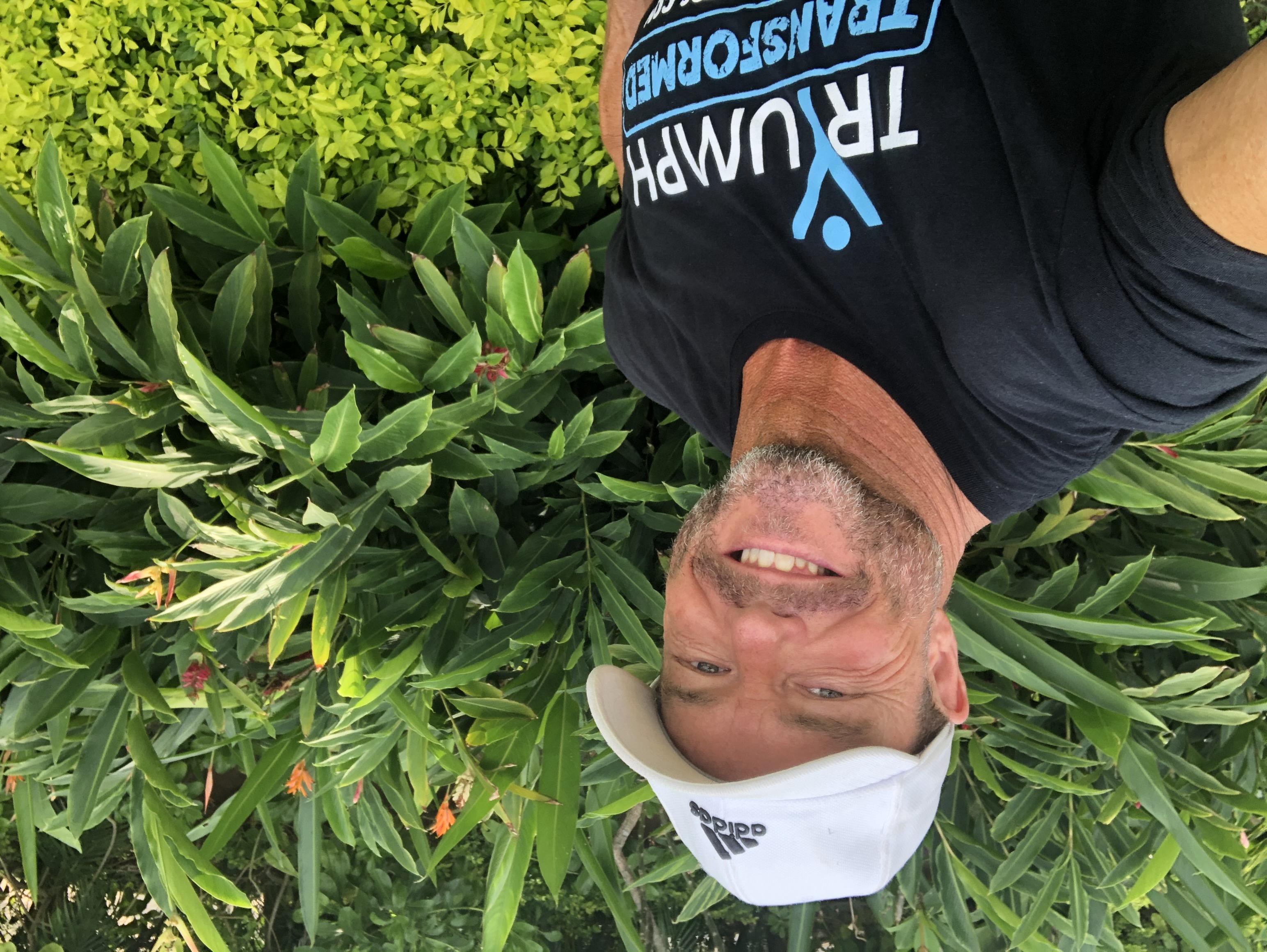
Article by
Coach Matt O'Brien
Coach Matt O'Brien is the founder of TrYumph Functional Training and TrYumph KidFit, where he has helped thousands of adults, children, and families build stronger, healthier, and happier lives through science-based health coaching, personal training, and small group training since 1998. With more than 25 years of coaching experience and over 25,000 hours working one-on-one and in small-group settings, Matt specializes in helping busy adults improve strength, energy, weight loss, nutrition, and long-term health through practical, sustainable lifestyle change.
Matt is a National Board Certified Health & Wellness Coach (NBC-HWC), Certified Strength and Conditioning Specialist (CSCS), Precision Nutrition Level 1 Coach (PN1), and Master Health Coach. His expertise spans strength training, nutrition coaching, healthy habit formation, performance optimization, and healthy aging, helping clients build resilience and enjoy a higher quality of life for years to come. He is also the author of THE MAGIC PILL and FITNESS FUEL (Cookbook) and is passionate about translating complex health and longevity science into simple, actionable strategies that busy people can apply in everyday life.
Through TrYumph KidFit, Matt is equally committed to improving kids fitness, confidence, athletic development, and lifelong healthy habits by creating fun, encouraging environments where children can thrive physically, mentally, and socially.
Matt's coaching philosophy is built on simple beliefs: movement is medicine, consistency beats perfection, and sustainable habits create extraordinary results. His mission is to help people live longer, healthier, happier lives through coaching, community, and caring.
When he's not coaching at TrYumph, Matt enjoys spending time with his wife and two sons, continuing his education in health and longevity science, and creating educational content that empowers people to take control of their health.