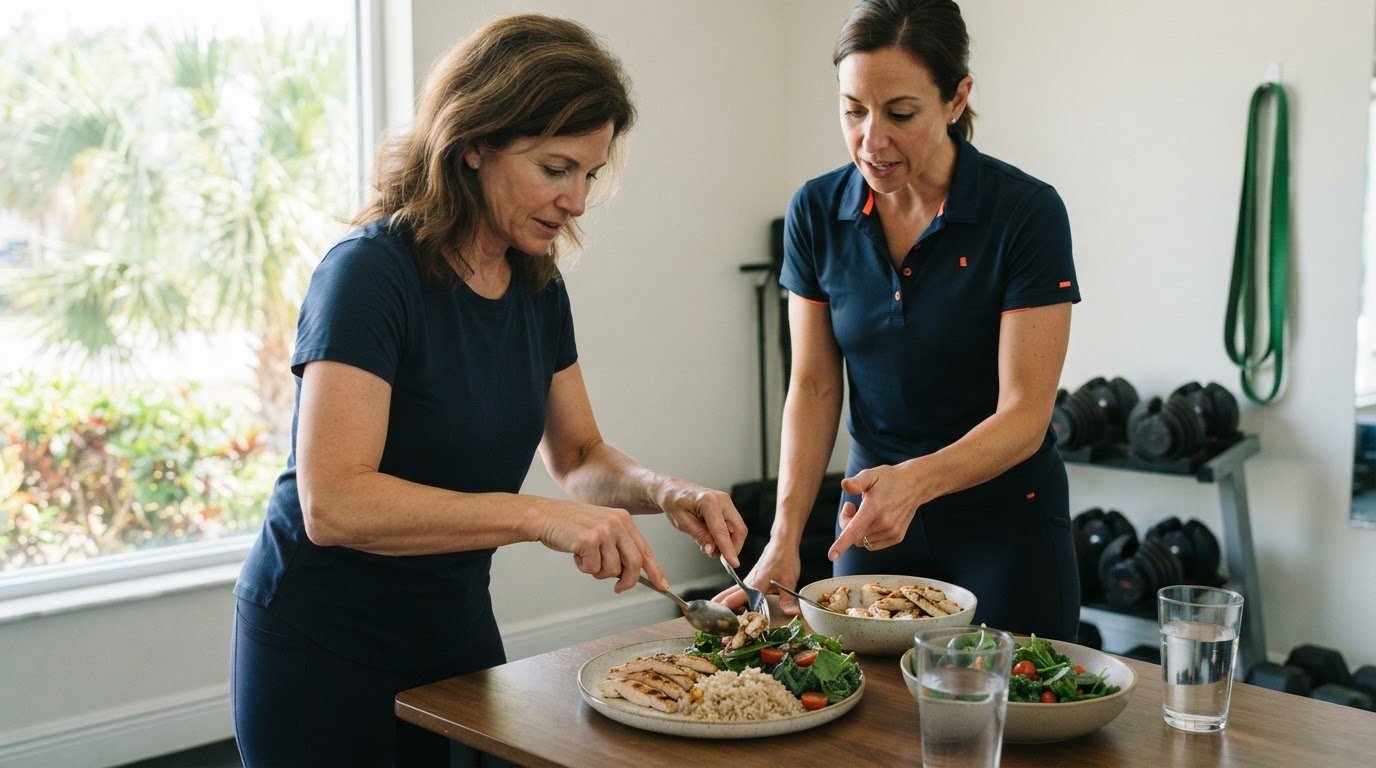

The easiest weeknight dinner plan may start with your kids, not another recipe. Meal prep ideas for busy families in Clearwater can make dinners easier with a simple weekly plan, prepared ingredients, and flexible family-friendly meals. Letting children choose one dinner each week gives them a role in the plan, too.
Busy evenings can leave little energy for deciding what to cook, let alone preparing it. A little prep can ease the pressure, and involving kids can make dinner a shared task. Here are practical ways to plan ahead, prepare useful ingredients, choose flexible weeknight meals, and give children age-appropriate kitchen jobs. Start small and build a routine that fits your family.
Key Takeaways
- Plan family dinners before the week gets busy, then prep a few versatile ingredients to make cooking feel easier.
- Build quick meals around simple combinations, such as chicken, vegetables, and grains that can be served in different ways.
- Batch-cook components rather than locking yourself into the same dinner every night.
- Choose family-friendly recipes that let everyone customize their plate with familiar toppings and sides.
- Invite children to choose a weekly dinner and help with age-appropriate kitchen tasks.
1. What is meal prep?
Easy meal prep ideas for busy families include chicken bowls, sheet-pan dinners, and pantry-based meals. Meal prep means planning ingredients or cooking ahead, so dinner needs fewer decisions. Start by spending 20 minutes at the beginning of the week mapping out family meals. Choose a few dishes that share ingredients, then note what needs cooking, chopping, or assembling. This simple plan makes groceries purposeful and gives each ingredient a job. For busy families in Clearwater, meal prep ideas work best when they begin with meals everyone already enjoys.
Chicken meal prep bowls are flexible: cook chicken, a grain, and vegetables, then serve them in separate combinations. Use the chicken in a bowl one night and tuck leftovers into wraps or salads later. For a sheet-pan meal, arrange chicken and sweet potatoes together, then portion the cooked ingredients for later meals. One recipe describes preparing a week’s meals with three large sheet pans and 45 minutes. A sheet-pan salmon and vegetable dinner is another option, ready in under 30 minutes.
Cooking once for several meals works best when you prep components instead of identical plates. Roast vegetables, cook rice, and prepare chicken, then combine them with salsa, greens, or a quick sauce. Keep pantry and freezer staples such as canned beans, pasta, frozen vegetables, and tortillas on hand. Pair them with prepared ingredients for a quick dinner. Label containers and group components by planned meal in the fridge. Families in Clearwater can adapt these meal-prep ideas by changing the seasoning or sides.
Vegetarian dinners can come together quickly with chickpeas. Mediterranean chickpea pita pockets take 10 minutes to assemble, while chickpea tikka masala takes 15 minutes to prepare and simmers for 5 to 10 minutes. Serve either with rice, pita, or chopped vegetables. Keep the sauce and toppings separate, so family members can adjust each plate. This also makes leftovers easier to reuse for lunch.
Plan family-friendly meals by naming the main dish and offering simple choices alongside it. For example, serve chicken bowls with rice, cucumber, and sauce on the side. Ask everyone to choose a familiar topping before shopping. To accommodate picky eaters, allergies, and different dietary needs, keep ingredients and sauces separate, then build plates individually. Check labels for known allergens and avoid cross-contact during preparation. Separate serving utensils can make this routine easier.
Families in Clearwater can compare nearby grocery stores, produce markets, and grocery pickup options. Check weekly specials and seasonal produce, then compare unit prices for items on your list. Build meals around ingredients you can use more than once, such as vegetables for both bowls and sheet-pan dinners.
Meal prep and delivery options include grocery delivery, prepared meals, and meal kits that families finish cooking at home. Costs vary by serving size, menu, and delivery fees. Compare these factors with the time saved and whether your household will enjoy the meals.
2. Fast family dinners for busy weeknights
Keep a short list of dinners that use familiar ingredients and little hands-on cooking. Most Americans spend less than 30 minutes preparing dinner on weeknights. For your own plan, choose a few meals that fit the time you have. Air-fryer chicken and vegetables cook in 10 to 12 minutes. One-pot creamy Tuscan pasta can be ready in under 30 minutes, with fewer dishes to wash.
Give each dinner a simple formula: protein, vegetables, and a filling side. Chicken fajita wraps work with cooked chicken, peppers, tortillas, and toppings served separately. Add quinoa or rice for a heartier bowl. Individual containers for toppings let everyone customize a plate without making separate dinners. For a healthy family meal, combine ingredients your household already enjoys.
Budget-friendly dinners start with ingredients you can use in more than one meal. Use cooked chicken in wraps, then add leftover vegetables to pasta or rice. Compare unit prices while shopping and choose ingredients that work across several meals. This can reduce unused groceries and make your weekly plan easier to follow.
Pre-cooked meat can shorten dinner assembly. BBQ pulled pork sliders can be ready in under 15 minutes when made with pre-cooked meat. Serve them with a vegetable side, or set out slaw and toppings for a build-your-own meal. For beef, Wasabi Beef Fajitas take 20 minutes to prepare. Chili Beef Noodle Skillet takes 30 minutes, making it a one-pan choice for an evening with more cooking time.
Freezer meals give you another option when the day runs long. Featured freezer dinners can go from frozen to cooked in less than an hour. Choose recipes your family already likes, freeze them in meal-sized portions, and label each container with its contents. Move a planned dinner into the fridge ahead of cooking when the recipe calls for thawing. Keep one quick pantry meal available as a backup.
Make a short dinner rotation instead of planning every night from scratch. Put a fast option, such as Garlic Bread Pizza, beside a slower meal, such as Buffalo Sloppy Joes, which takes 30 minutes to prepare. Match the choice to the evening’s schedule. If you’re building a wider wellness routine alongside family dinners, explore a fitness routine that fits your goals.
Broccoli Beef Braids make two loaves with four servings each. Sloppy Joe Pizza takes 22 minutes to prepare. These options can add variety to a flexible rotation.
3. Batch cooking and ingredient preparation
A focused cooking session can prepare building blocks for several dinners. The Meal Prep Power Hour approach organizes family-friendly preparation into one hour. Choose a menu, then group tasks that use the same tools. While grains cook, wash vegetables and portion ingredients for another meal. Roast a protein, prepare a sauce, and chop toppings. Each component is a flexible starting point, not a repeat of the same plate.
Plan meals around ingredients that can shift from one dish to another. Cook chicken for a rice bowl, then use leftovers in a tortilla with vegetables and sauce. Prepare beans or lentils as another protein option. Serve them with vegetables one evening, then add them to soup or wraps later. Keep sauces separate until serving so one batch can suit different preferences. This approach adds variety while saving time on busy nights.
For freezer prep, make a larger batch of a dish your household already eats. Preparing a freezer-meal batch about once a month is one option. Divide food into portions for future dinners and label each container. Freeze components separately for more flexibility. For example, store cooked protein apart from sauce, then add fresh vegetables when assembling the meal. A planned menu gives each frozen portion a purpose.
Choose reusable containers that are freezer-safe, microwavable, stackable, and BPA-free. Dishwasher-safe containers are useful if you have a dishwasher. Match the container size to the portion and leave room for food to expand as it freezes. Store chopped tortilla fillings, cooked grains, or prepared vegetables in clearly labeled containers. Group ingredients by meal so the right pieces are easy to find at dinnertime.
A meal prep menu can be a simple list or a shared family calendar. Write each dinner beside its prepared components, then note what still needs cooking. A cooking video can guide you through an unfamiliar recipe; pause it to prepare ingredients before turning on the stove. Follow the recipe’s directions for storage and reheating. Keep raw ingredients separate from cooked food, and reheat food evenly throughout before serving.
Review the plan after dinner. If you didn’t use a batch of grains or a vegetable side, adjust the next menu instead of preparing more. Nutrition Coaching can also help families make practical food choices that fit their routines and preferences.
4. Family-friendly recipe ideas
A useful family menu mixes familiar favorites with easy ways to add variety. One featured meal-prep plan includes four dishes: one-pan baked pasta, shredded Japanese salad, seeded muesli bars, and tortilla egg cups. The egg cups can be a make-ahead breakfast, while the salad and pasta work for lunch or dinner. For kids, serve toppings separately and let them choose what goes on their plate.
For a quick evening meal, try veggie-packed egg fried rice, ready in under 15 minutes. Use cooked rice, eggs, and vegetables, then serve sauces separately. Shrimp and broccoli stir-fry takes less than 25 minutes, making it another weeknight option. Keep the vegetables and shrimp visible rather than mixing everything into one dish. A familiar side can make a new recipe easier to approach.
Chicken recipes can also provide variety without complicated steps. Cilantro Lime Chicken and Lentil Rice Bowls call for 15 minutes of prep, followed by hands-off cooking. Prepare toppings separately so each person can build a bowl. Air-fryer chicken fajita wraps are ready in under 20 minutes. Set out tortillas, chicken, and fillings, then let everyone assemble a favorite combination.
For a family dinner with minimal fuss, sheet-pan teriyaki salmon and vegetables bake for 20 minutes. Place the cooked ingredients alongside rice or another familiar side, and keep extra sauce available at the table. These recipes can be packed for lunch the next day if portions remain. For a meat-free meal, chickpea tikka masala brings a different flavor; serve it with rice and offer the sauce separately.
Ground ingredients and simple swaps can help recipes suit your household. Use ground meat in baked pasta, or replace it with beans for a vegetarian variation. Keep the base mild and offer stronger toppings separately. To find new family favorites, invite children to choose between two recipes before shopping. A choice between teriyaki salmon and egg fried rice feels manageable and gives them a stake in the meal.
To prep ahead, choose one breakfast, one lunch, and a few dinners from the menu. Make tortilla egg cups or seeded muesli bars for breakfast, pack shredded Japanese salad for lunch, and save baked pasta or salmon for dinner. Store components in labeled containers and assemble them close to serving. Aim for a practical mix of recipes, not a packed schedule with no room for changes.
The featured family-friendly meal prep plan includes 4 dishes: one-pan baked pasta, shredded Japanese salad, seeded muesli bars, and tortilla egg cups. Think of the set as a flexible starting point rather than a fixed sequence: choose what suits the day, and keep ingredients or toppings that need individual choices apart until serving. If plans shift, use the dishes that are ready first and leave the rest for another meal. This approach leaves room to adapt portions and pairings to household preferences without turning preparation into a rigid routine.
5. Involving children in meal prep
Invite children to help plan before you finalize the grocery list. Let them choose one dinner each week, then agree on the main dish and a few toppings. This gives them a real role without handing over the whole menu. Ask whether they prefer cheese, spinach, or another topping in baked pasta. Their answer can guide what you buy and how you serve the meal.
Give each child a clear task that fits the meal and their ability. A 7-year-old can help grate vegetables, trim green beans, and juice lemons. Those jobs add useful ingredients while making preparation a shared activity. Younger children can help rinse produce or arrange ready-to-use toppings in bowls. Keep the task specific: “Put the spinach in this bowl” is easier to follow than “Help with dinner.”
Use a recipe with visible steps to make participation manageable. For tortilla egg cups, children can help add fillings to prepared portions and choose cheese or vegetables. For a salad, they can sort ingredients into separate serving dishes. Explain each step plainly, then let the child finish it before assigning another task. Completing a job gives them a sense of progress and keeps meal prep moving.
Children may be more willing to taste a new ingredient if they helped prepare it. Offer a small choice, such as spinach alongside familiar pasta or a new topping next to a favorite one. Avoid making tasting a test. Let everyone build a plate from the meal’s separate ingredients. This keeps the family eating together without expecting one recipe to suit every preference.
Make the kitchen routine predictable. During meal planning, write each child’s chosen dinner on the family calendar and name their task. One child might juice lemons while another sets out toppings. Keep jobs easy to remember, but rotate them when interests change. A short task list can prevent a last-minute scramble for help.
Start with one shared meal, not a full week of child-led cooking. Choose a delicious recipe, set out its ingredients, and give each helper one achievable job. Notice what worked, then use that detail in next week’s meal planning. If you’re ready to build a broader family wellness routine alongside meals, take the next step with a free trial.
TrYumph Fitness: Personal Training
TrYumph Fitness offers Personal Training and Nutrition Coaching to help people build healthier routines around busy family life. If meal planning is hard to maintain, Nutrition Coaching can help you make practical food choices that fit your needs and schedule. Personal Training or Small Group Training can support broader health and strength goals, while KidFit offers children a fitness option of their own.
Meal prep is one part of a sustainable routine. Pairing it with support for movement and nutrition can help you stay focused on changes that work in everyday life. Contact TrYumph Fitness to explore which option may suit your goals.
Build a routine that works for your family
Your next step doesn’t need to be a complete weekly overhaul. Choose one dinner to plan ahead, then decide how your family can help. As the routine gets easier, add another meal or shared kitchen task. The best meal prep ideas for busy families in Clearwater are the ones that fit your schedule, preferences, and real-life energy.
Food is one part of family well-being. TrYumph Fitness offers Personal Training, Small Group Training, and KidFit to support movement and fitness goals for adults and children. If you’d like to explore support that fits your household, take the next step with TrYumph Fitness. Keep your plan flexible, celebrate each small win, and build from there.
Frequently Asked Questions
What are the benefits of meal prepping?
Meal prepping can reduce last-minute food decisions and help families use groceries with a plan. It can also make packed lunches easier to assemble and create more chances to work together in the kitchen. Choose meals that share ingredients, then prepare components for different dishes. One shopping trip can support several meals without requiring your family to eat the same dinner repeatedly.
What is meal prep?
Meal prep means planning, preparing, or portioning food ahead so later meals take less effort. You might cook a complete dish, wash produce, or set out ingredients for a recipe. For example, prepare lunch components separately and combine them in the morning. Meal prep can be as simple as planning tomorrow’s dinner or as structured as mapping meals across the week.
What are budget-friendly family meal prep recipes and their cost per serving?
At home, build affordable meals around ingredients that work in several dishes, such as beans, rice, pasta, and seasonal vegetables. Compare package sizes and unit prices with the amount your family will use. Your grocery total depends on the ingredients you choose, portion sizes, and what you already have in the pantry.
How can families meal prep for a week in a few hours?
Choose a short menu first, then group tasks by equipment: chop produce together, cook grains, and prepare the oven dishes. A Meal Prep Power Hour outlines a one-hour approach, while one sheet-pan recipe describes preparing a week’s meals with three large pans and 45 minutes. Use those as planning models, then scale the menu to your household and leave some dinners flexible.
Which meals can be frozen and reheated safely for family meal prep?
Soups, stews, casseroles, cooked grains, and sauces are practical freezer options. Portion them into freezer-safe containers, label each one, and keep crisp toppings separate until serving. Follow the recipe’s storage and reheating directions, and heat food evenly throughout before eating. For meals with several components, freeze them separately when that helps preserve texture and makes it easier to assemble different plates.

Article by
Coach Matt O'Brien
Coach Matt O'Brien is the founder of TrYumph Functional Training and TrYumph KidFit, where he has helped thousands of adults, children, and families build stronger, healthier, and happier lives through science-based health coaching, personal training, and small group training since 1998. With more than 25 years of coaching experience and over 25,000 hours working one-on-one and in small-group settings, Matt specializes in helping busy adults improve strength, energy, weight loss, nutrition, and long-term health through practical, sustainable lifestyle change.
Matt is a National Board Certified Health & Wellness Coach (NBC-HWC), Certified Strength and Conditioning Specialist (CSCS), Precision Nutrition Level 1 Coach (PN1), and Master Health Coach. His expertise spans strength training, nutrition coaching, healthy habit formation, performance optimization, and healthy aging, helping clients build resilience and enjoy a higher quality of life for years to come. He is also the author of THE MAGIC PILL and FITNESS FUEL (Cookbook) and is passionate about translating complex health and longevity science into simple, actionable strategies that busy people can apply in everyday life.
Through TrYumph KidFit, Matt is equally committed to improving kids fitness, confidence, athletic development, and lifelong healthy habits by creating fun, encouraging environments where children can thrive physically, mentally, and socially.
Matt's coaching philosophy is built on simple beliefs: movement is medicine, consistency beats perfection, and sustainable habits create extraordinary results. His mission is to help people live longer, healthier, happier lives through coaching, community, and caring.
When he's not coaching at TrYumph, Matt enjoys spending time with his wife and two sons, continuing his education in health and longevity science, and creating educational content that empowers people to take control of their health.