Your training should fit your life, not force you into a one-size-fits-all routine. Tailored fitness plans for individuals in Seminole are delivered through personal coaching at a Tampa Bay fitness studio, with the plan shaped around your goals and starting point.
It makes sense to want clear answers before fitting workouts into a busy week. Where will you train? How can coaching account for an injury, a medical condition, your age, or your current activity level? This guide explains what individualized training can involve and what to expect from the coaching process.
You’ll learn how a coach can adapt exercise choices and effort to your circumstances, and why sharing relevant health and fitness information helps shape a suitable starting plan. The goal is practical: understand where training takes place, what can be tailored, and how personal training can support your next step toward feeling stronger and more capable.
Key Takeaways
- Learn what individualized coaching can include and how the training setting fits into your routine.
- See how a coach can adapt exercise choices around injuries, medical conditions, and your current abilities.
- Understand why age and exercise experience help shape a realistic starting point.
- Explore how fitness assessments and nutrition guidance can support your broader goals.
- Know what information and topics to expect in a personalized fitness consultation.
Personal training and individualized coaching
Individual coaching connects your goals, schedule, and starting point to a focused training plan. In Seminole, Florida, the trainer’s experience and approach can shape how that plan develops.
What to Look for in a Seminole Fitness Trainer
When looking for a personal trainer in Seminole, Florida, consider their experience, communication style, and approach to adapting workouts. A good match listens to your goals and explains how each part of training fits your plan.
Use a simple checklist: describe your goal, ask how coaching can be adjusted, and notice whether the answers are clear. If you want to build strength but have limited workout time, for example, the trainer should explain how sessions can focus on that priority. A welcoming, practical approach matters as much as a challenging workout.
Training Plans and Client Goals
A tailored plan starts with a specific goal. “Build strength” might mean learning resistance exercises, while “improve endurance” can guide conditioning choices. Your work schedule, exercise history, and preferences help shape a routine you can realistically follow.
Think of the plan as a route, not a fixed script. A coach can review how training feels and adjust exercise selection, effort, or session focus as your needs change. For tailored fitness plans for individuals in Seminole, explain what progress would look like in everyday life, such as carrying groceries more comfortably or keeping pace on a walk.
Consultation and Fitness Assessments
A personalized consultation can begin with a conversation about your goals, schedule, previous exercise, and movements you find difficult. A fitness assessment may also include a coach observing basic movement or discussing current strength and endurance. The details depend on the gym’s process, so focus on whether the assessment informs the plan.
Bring one clear priority and a real-life example. If stairs leave you winded, say so; if you want to lift more easily, explain what you hope to manage. The coach can use those details to discuss a starting focus and how progress will be reviewed, rather than relying on a generic workout template.
Nutrition Guidance and Training Focus
Nutrition guidance can connect food choices with fitness goals and daily routines. For a busy parent, that might mean discussing practical meal habits around work and family schedules. Training and nutrition are parts of a broader approach, and guidance should relate to the goal you have chosen.
Women interested in self-defense may also want to build endurance and strength. Share that goal directly so a coach can clarify which training elements, such as conditioning or general strength work, support your priorities. Don’t assume every fitness plan includes self-defense instruction; ask what the coaching covers and how it relates to your goal.
Experience with injuries and medical conditions
Raise an injury or health concern before training begins. Sharing clear information helps a coach understand your starting point and adapt exercise choices to your needs, rather than treating every workout as a standard template.
Medical concerns and injury considerations
During the initial discussion, share relevant health concerns, injury history, current limitations, and movements that cause discomfort. Be specific: explain whether a concern affects walking, lifting, balance, or reaching overhead. These details help the coach choose appropriate exercises and recognize when an activity needs to change.
If you have a medical condition, your clinician can provide guidance relevant to exercise and your health. People with health concerns are advised to check with their doctor before starting a fitness boot camp. This can clarify appropriate limits and give you useful information to share with the coach.
Raise injuries before class or training. People with injuries are advised to inform their fitness boot camp instructor ahead of time. Describe which movements are affected and what you have been told to avoid. For example, if a previous knee injury makes certain motions uncomfortable, mention it before those movements come up in a session.
How injury modifications can work
A coach can use the information you share to adapt a program. Depending on your needs, that could mean changing an exercise, reducing its range of motion, choosing a different movement, or pausing an activity that causes discomfort. These are practical adjustments, not a diagnosis or treatment plan.
Think of a workout as a route with more than one path. If a movement doesn’t suit your current ability, a coach can consider another way to work toward the same general goal. A strength exercise might be adjusted to feel manageable or replaced with another movement that better fits your stated limitations.
During training, tell the coach promptly if something feels painful, unusual, or different from your usual effort. That feedback can guide the next choice. Don’t push through pain to prove your effort; describe what you feel so the coach can respond appropriately.
Before starting a new program, bring a concise summary of your health concerns, injuries, and current restrictions. For a fitness boot camp, share injury information with the instructor in advance. If you’re ready to explore a training starting point, review the personal training free trial and consider what you’d want the coach to know.
Client age and current exercise level
Age and exercise history can help a coach choose a realistic starting point. Someone returning after years away from workouts may need a different first session from someone who already trains regularly.
Age alone doesn’t define someone’s abilities or goals. People of the same age can have different routines, comfort levels, and training histories. A coach should ask how daily movement feels now, what activities you enjoy, and what you hope to do more easily. Carrying shopping bags or keeping up during a family walk, for example, can help define a practical goal.
Your current activity gives the coach a clearer picture than a label such as “beginner.” Describe a typical week, including walks, recreational sports, or time spent sitting at work. If you haven’t exercised recently, say so. If you lift weights or cycle, explain what feels familiar and what feels challenging.
That information can shape the first session. Someone new to strength training may start by learning movement patterns and trying manageable exercises. Someone who already follows a routine may build on familiar movements and work toward a specific goal. The starting point should match what you can do today, not what you used to do or hope to do immediately.
Age can also inform questions about comfort, recovery, and everyday demands. A working parent who spends long hours at a desk may need a different training focus from someone whose job involves frequent lifting. These details help make a program relevant to your actual day, rather than an ideal schedule that rarely happens.
During a session, the coach can observe how you handle an exercise and adjust the pace or movement. If a squat feels awkward, they might offer a simpler version before adding difficulty. If you finish an exercise comfortably, that feedback can guide the next choice. Small adjustments keep the plan responsive without turning each workout into a test.
Nutrition can also relate to your routine and goals. Someone balancing work and family responsibilities, for example, may need practical guidance that fits existing meal habits. A coach can discuss how nutrition support relates to training and keep the conversation focused on your goals.
To make the first conversation useful, bring three details: your recent activity, one daily task you want to feel easier, and any scheduling limits. These specifics help a coach match exercise choices and session demands to your current life. As your consistency or preferences change, the plan can change with you.
Do Seminole gyms offer fitness assessments and personalized nutrition guidance?
Fitness assessments and nutrition guidance can help connect workouts with goals, but services vary by gym. In Seminole, look at what the assessment actually covers and how its findings shape your plan. A useful starting conversation might include your activity history, preferred exercises, schedule, and goals. For example, someone aiming to build strength may need different coaching priorities than someone preparing to walk longer distances. The assessment should make those priorities clearer, not leave you with measurements you don’t know how to use.
What a fitness assessment can tell you
A coach may discuss your routine, observe basic movements, or use exercises to understand how you move. These details can help identify a suitable starting point. If a movement feels unfamiliar, for instance, the plan can include practice before adding difficulty. If you already exercise regularly, the discussion can help identify a skill or training focus to build on.
Ask how your goals and current routine will shape the program. A practical explanation connects a coaching choice to your needs: “This movement is new, so we’ll begin with a simpler version.” Your preferences and schedule matter too. A parent with limited workout windows may need a different plan structure from someone with more flexible training time.
How personalized nutrition guidance fits
Nutrition guidance can address how everyday food choices relate to your training goals. It may start with a conversation about meal routines, work hours, family responsibilities, and the changes you feel ready to make. Someone who often skips lunch, for example, could discuss a more consistent routine that fits a busy workday. Practical suggestions matter more than a complicated plan you can’t maintain.
Useful guidance reflects your circumstances. A coach might discuss meal planning around evening workouts or help you identify habits that conflict with your goals. The aim is to make realistic adjustments, not prescribe a rigid menu without understanding your routine. If weight loss, strength, or general wellbeing is your priority, explain what success would look like in daily life.
Treat an assessment like a map: it helps identify a starting point and possible route, but your goals guide the direction. Before choosing a gym, consider whether its assessment explains the next training steps and whether nutrition support addresses practical routines. During the consultation, share one goal, one scheduling challenge, and one habit you’d like to improve. Those details give the coach a clearer picture and help you decide whether the proposed guidance fits your life.
What should I expect during a personalized fitness plan consultation in Seminole?
A consultation in Seminole should turn your goals and daily constraints into a clear starting direction. Expect to discuss your exercise history, schedule, preferences, and any movements you need to approach carefully. A parent with a packed evening routine, for example, may need a different session plan from someone with flexible afternoons. These details help the coach understand what could fit your actual week.
How the conversation can shape your plan
The coach may ask what you want to change and how you’ll recognize progress. “Get stronger” could mean handling household tasks more comfortably, while “build endurance” might mean enjoying a longer walk. Specific examples make your goal easier to translate into exercise choices and keep the plan connected to something meaningful beyond a workout.
Expect questions about your current activity, past training, and exercises you enjoy or avoid. If you’re returning after time away, say so. If you already take regular walks, mention their pace and how they feel. These details help distinguish a new starting point from an established routine that needs a fresh focus.
What happens before training begins
A coach may discuss how you move through basic exercises and what feels comfortable. They might observe a squat or ask how you manage a familiar movement. The purpose is to guide exercise selection, not turn the consultation into a performance test. If a movement feels awkward, the coach can discuss a simpler option or another way to work toward your goal.
Share relevant injuries or health concerns openly. If a previous injury affects a particular movement, explain what feels difficult and any restrictions you already follow. This gives the coach context for adapting training choices. For a medical concern, guidance from your healthcare professional can help clarify appropriate activity before you begin.
Before the meeting, bring a few practical details: your main goal, usual weekly activity, and the times you can realistically train. Mention a concrete obstacle too, such as work meetings disrupting lunch or childcare limiting evenings. This helps the coach discuss a plan that fits your life rather than an ideal schedule. You can also ask how progress is reviewed and how the plan can adjust when your routine changes.
Leave the consultation with a clear understanding of the proposed training focus, the first steps, and what information the coach still needs. If you’re ready to explore a starting point, begin with a training free trial.
TrYumph Fitness
TrYumph Fitness can help connect your goals, experience, and training preferences to a personal path forward. Personal Training offers one-on-one coaching, while Small Group Training provides a shared setting. Nutrition Coaching can complement your fitness goals with guidance on everyday food choices, alongside accountability and support.
Bring the priorities you’ve identified, such as building strength, improving endurance, or finding a routine that fits work and family life. Share relevant concerns and what you’d like to make easier in daily life. That gives the coaching conversation a useful starting point, even if you haven’t figured out every detail.
Ready to explore your next step? Contact TrYumph Fitness to talk about your fitness goals.
Take your next step toward stronger routines
Your next step doesn’t need to solve everything at once. Choose one goal that matters in daily life, such as feeling stronger at work or making movement part of family time. A tailored fitness plan for an individual in Seminole can give that goal a practical direction, shaped around your needs rather than someone else’s routine.
TrYumph Fitness offers Personal Training, Small Group Training, and KidFit to support different fitness needs. Start by sharing what you want to work toward and what could make consistency difficult. That conversation can help you find a sensible place to begin, without needing a perfect schedule or a complete plan in advance.
Explore your next training step and start building momentum at a pace that works for you. Your progress begins with one clear choice, and you can make it today.
Frequently Asked Questions
Where do you train?
TrYumph Fitness offers in-person training at its private studio in Tampa Bay, along with virtual options. Its local service area includes Seminole, Largo, Clearwater, Pinellas Park, Indian Rocks Beach, and Madeira Beach. If you live in Seminole, consider whether onsite sessions or virtual coaching better fit your commute and calendar. The format you choose can affect how easily training fits around work, school pickups, and other commitments.
What fitness studios in Seminole, Florida offer tailored personal training plans?
TrYumph Fitness is a Tampa Bay private studio serving Seminole and nearby communities. Residents looking for tailored fitness plans in Seminole can explore Personal Training, with coaching shaped around individual goals. Virtual options are also available for people whose schedules or travel make in-person sessions less convenient. Consider which format fits your weekly routine and the kind of coaching support you want.
Which Seminole personal trainers create individualized workout plans?
TrYumph Fitness offers personal and small-group coaching in its local service area, including Seminole. The all-inclusive approach connects your goals with fitness, nutrition, and weight-loss support. Personal Training provides one-on-one coaching; Small Group Training offers a shared setting. The right format depends on whether you prefer individual attention or training alongside others.
What types of customized fitness plans are available in Seminole, Florida?
TrYumph Fitness offers Personal Training, Small Group Training, KidFit, Nutrition Coaching, and Weight Loss Challenges. These options address different needs, from individual exercise coaching to group support and nutrition guidance. An adult focused on strength, for example, may consider personal coaching, while families seeking movement programming for children can explore KidFit. Choose based on who the program is for and your main goal.
What qualifications should a personal trainer in Seminole, FL have?
Look for a trainer who can explain their coaching experience and how they adapt training to individual goals. TrYumph Fitness’s coaching team includes certified personal trainers and coaches. Credentials are one consideration; clear communication matters too. A trainer should explain an exercise in plain language and describe how it connects to your goals.
How can a Seminole trainer tailor coaching to specific fitness goals or health needs?
A trainer can use your goals, preferred activities, schedule, and relevant health information to guide exercise choices. Someone preparing for recreational cycling, for example, may need a different focus from someone aiming to build strength for daily tasks. Share health concerns and injury information before training begins. For medical concerns, discuss exercise with your doctor before starting a fitness boot camp.
What safety risks should I consider before starting a tailored exercise program?
Health concerns and existing injuries deserve attention before you begin. People with health concerns are advised to check with their doctor before starting a fitness boot camp, and people with injuries should inform the instructor ahead of time. Share relevant limitations before activities start, and speak up if an exercise causes discomfort. This information helps the coach make appropriate adjustments to training choices.
Article by
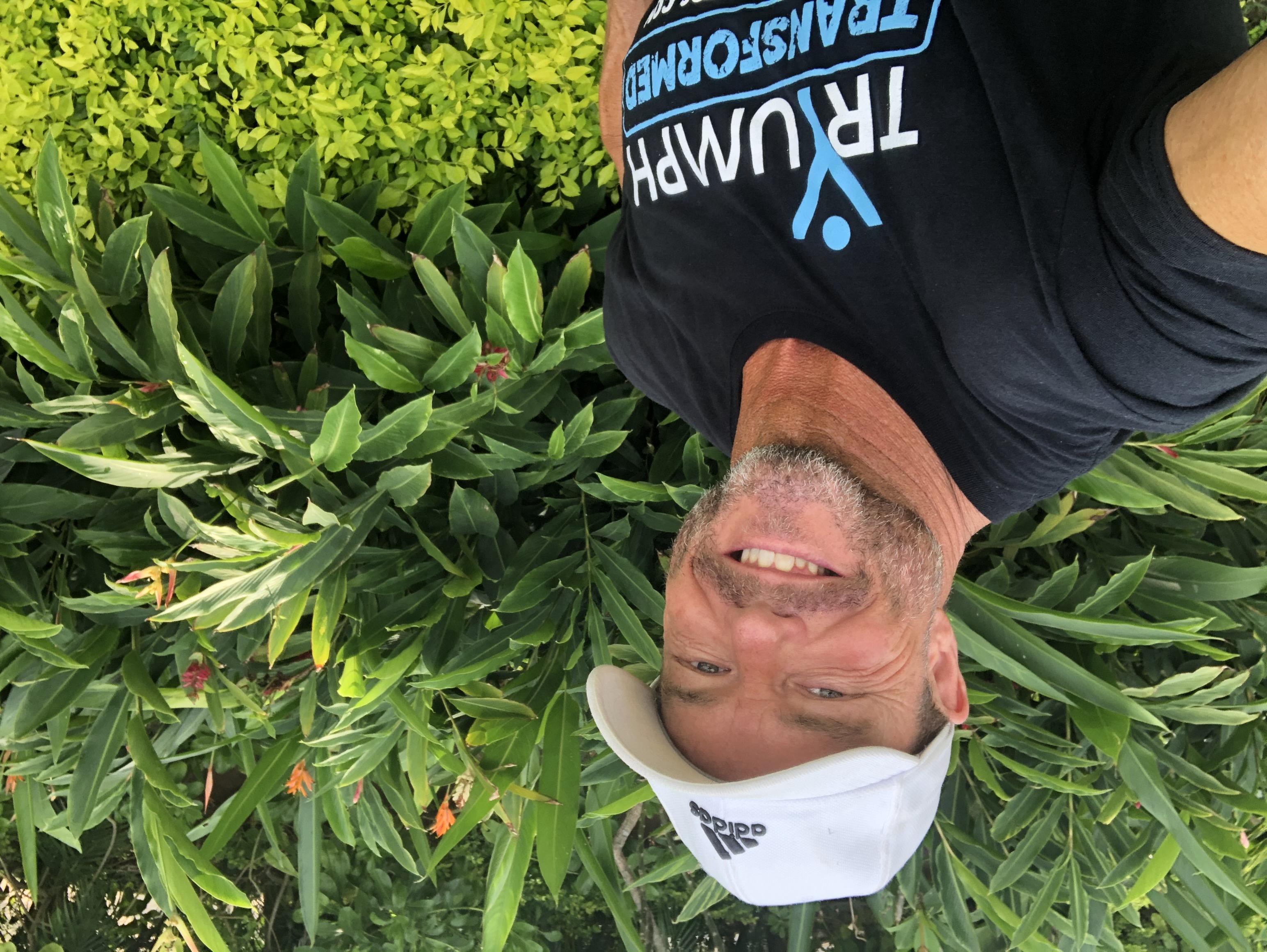
Coach Matt O'Brien
Coach Matt O'Brien is the founder of TrYumph Functional Training and TrYumph KidFit, where he has helped thousands of adults, children, and families build stronger, healthier, and happier lives through science-based health coaching, personal training, and small group training since 1998. With more than 25 years of coaching experience and over 25,000 hours working one-on-one and in small-group settings, Matt specializes in helping busy adults improve strength, energy, weight loss, nutrition, and long-term health through practical, sustainable lifestyle change.
Matt is a National Board Certified Health & Wellness Coach (NBC-HWC), Certified Strength and Conditioning Specialist (CSCS), Precision Nutrition Level 1 Coach (PN1), and Master Health Coach. His expertise spans strength training, nutrition coaching, healthy habit formation, performance optimization, and healthy aging, helping clients build resilience and enjoy a higher quality of life for years to come. He is also the author of THE MAGIC PILL and FITNESS FUEL (Cookbook) and is passionate about translating complex health and longevity science into simple, actionable strategies that busy people can apply in everyday life.
Through TrYumph KidFit, Matt is equally committed to improving kids fitness, confidence, athletic development, and lifelong healthy habits by creating fun, encouraging environments where children can thrive physically, mentally, and socially.
Matt's coaching philosophy is built on simple beliefs: movement is medicine, consistency beats perfection, and sustainable habits create extraordinary results. His mission is to help people live longer, healthier, happier lives through coaching, community, and caring.
When he's not coaching at TrYumph, Matt enjoys spending time with his wife and two sons, continuing his education in health and longevity science, and creating educational content that empowers people to take control of their health.